One soybean gene largely decides how much vitamin E it makes
Duan M, Guo Z, Li S, Chen B, Xing S
Crispr
The cooking oil made from soybeans on grocery shelves owes its shelf-stability and nutrition partly to vitamin E levels that plant breeders can now dial up using this newly pinpointed gene.
Soybeans naturally contain vitamin E, an antioxidant that keeps their oil fresh and nutritious, but some soybean varieties make a lot more of it than others. By comparing a high-vitamin-E soybean with a low-vitamin-E one, researchers tracked the difference down to a single gene called GmTAT1, and even found a specific DNA tweak near that gene linked to higher vitamin E content. That discovery gives breeders a concrete target for developing soybean varieties with more built-in vitamin E.
Key Findings
A major QTL on chromosome 12 (qVE12) explained 20-31% of the variation in soybean seed vitamin E content across multiple growing environments.
CRISPR/Cas9 knockout and overexpression experiments confirmed GmTAT1, a tyrosine aminotransferase gene, positively regulates vitamin E accumulation in seeds.
Among 144 soybean accessions screened by HPLC, a favorable upstream haplotype near GmTAT1 (at Chr12:30,821,186) was linked to higher total vitamin E but remains rare in the broader population.
chevron_right Technical Summary
Scientists found a single gene, GmTAT1, that controls how much vitamin E soybeans make in their seeds, and identified a rare beneficial DNA variant that could be bred into future soybean crops to boost their nutritional value and shelf life.
Abstract Preview
Original paper
Natural Variation in GmTAT1, a Tyrosine Aminotransferase, Controls Seed Vitamin E Content in Soybean.
Tocopherols (vitamin E, VE) are major lipid-soluble antioxidants that determine both the nutritional value and oxidative stability of soybean oil. To elucidate the genetic basis of natural variatio...
open_in_new Read full abstractAbstract copyright held by the original publisher.
Species Mentioned
Was this useful?
Want to tell us more? (optional)
Thanks for the note!
Something went wrong — please try again.
Too many submissions. Try again in an hour.
Targeted knockout of a host peroxisomal peptidase confers field resistance to...
The corn in your grocery store and the staple food keeping millions of East African families fed is under serious threat from a viral disease that can wipe o...
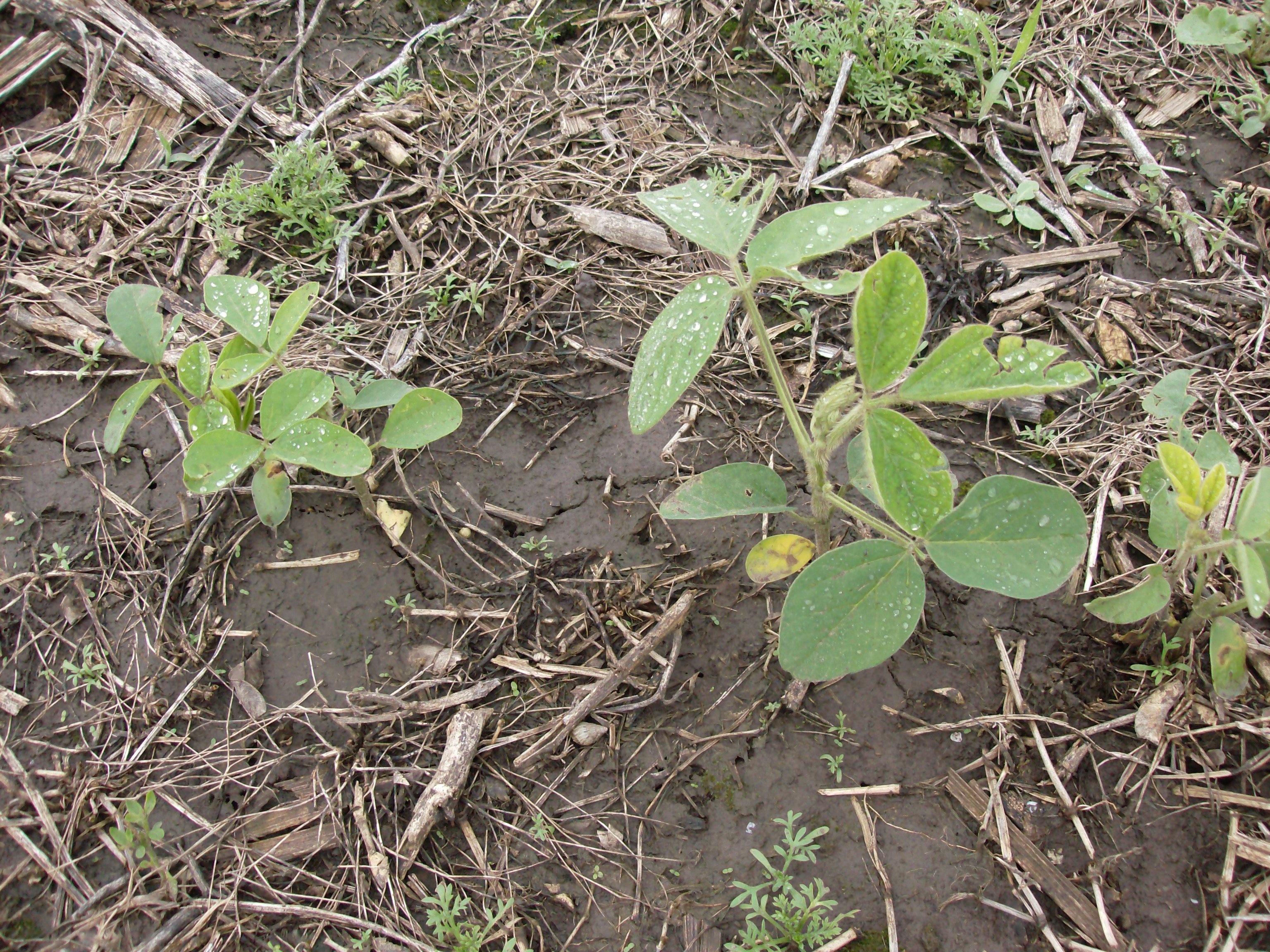
The soybean, soy bean, or soya bean is a species of legume native to East Asia, widely grown for its edible bean. Soy is a staple crop, the world's most grown legume, and an important animal feed.