New soybean gene variant boosts quality without shrinking seeds or reducing yield
Chen Y, Wang JT, Yuan DH, Zeng YL, Ma XS
Crispr
Soybeans grown from seeds with this trait could deliver better oil and nutritional profiles without farmers sacrificing the harvest size they depend on.
Researchers snipped a tiny piece out of a soybean gene using a molecular editing tool called CRISPR. The edited plants still produced normal amounts of seeds at normal sizes, but the seeds themselves had different internal qualities. This kind of targeted change is a shortcut for plant breeders trying to improve the nutritional or processing value of soybeans without accidentally making the plant less productive.
Key Findings
A 36-base-pair in-frame deletion in the GmOIL2 gene was created using CRISPR without disrupting plant fertility
Seed weight was maintained in plants carrying the new allele, decoupling quality traits from yield penalties
The allele alters seed-related traits, providing a genetic resource for soybean quality improvement programs
chevron_right Technical Summary
Scientists used CRISPR to create a specific soybean gene variant that improves seed quality traits without reducing fertility or seed size. This gives breeders a precise tool to develop better soybeans without the usual trade-offs.
Abstract Preview
Original paper
A GmOIL2 allele separates fertility and seed traits in soybean.
A CRISPR-derived 36-bp in-frame deletion in GmOIL2 maintains fertility and seed weight while altering seed-related traits. This allele provides a genetic resource for improving soybean quality with...
open_in_new Read full abstractAbstract copyright held by the original publisher.
Species Mentioned
Was this useful?
Want to tell us more? (optional)
Thanks for the note!
Something went wrong — please try again.
Too many submissions. Try again in an hour.
Targeted knockout of a host peroxisomal peptidase confers field resistance to...
The corn in your grocery store and the staple food keeping millions of East African families fed is under serious threat from a viral disease that can wipe o...
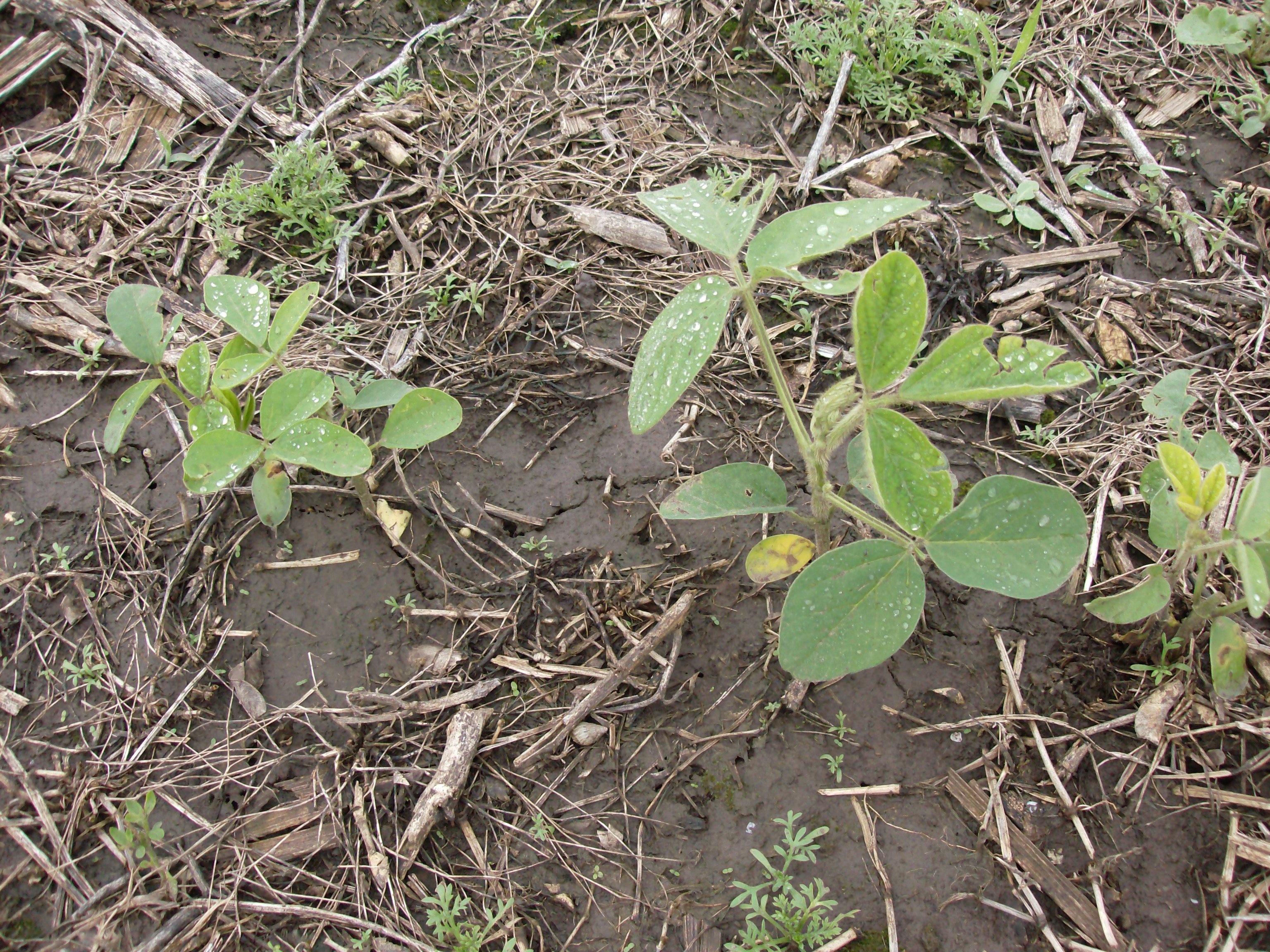
The soybean, soy bean, or soya bean is a species of legume native to East Asia, widely grown for its edible bean. Soy is a staple crop, the world's most grown legume, and an important animal feed.