Integrative translational genomics of the GA oxidase superfamily identifies a domestication-selected GmGA2ox16 haplotype for salt tolerance breeding in soybean.
Zhao K, Guo D, Shan L, Dong Y, Liu X
Crop Improvement
Rising soil salinity from irrigation and climate change threatens the soybeans in your grocery store — this discovery gives breeders a fast track to developing salt-tolerant varieties without genetic engineering.
Salty soil is a huge problem for growing soybeans, which are in countless foods we eat every day. Researchers found a natural version of a stress-response gene — already quietly selected by farmers over generations — that helps soybean plants handle salt much better by boosting their internal defenses. Instead of slow trial-and-error breeding, scientists used large-scale genetic databases to pinpoint this ready-to-use trait, dramatically speeding up the path to tougher, more reliable crops.
Key Findings
Researchers catalogued 48 GA oxidase genes in soybean, expanded through whole-genome and tandem duplications, and identified 6 that rapidly switch on in response to salt stress.
Screening 2,898 resequenced soybean accessions revealed two distinct haplotypes of GmGA2ox16 defined by two amino acid changes (N31D, A182P) in the gene's active site.
The superior haplotype — already enriched in domesticated soybean lines — enhances antioxidant capacity and confers measurable salt tolerance in both yeast and soybean root systems.
chevron_right Technical Summary
Scientists identified a naturally occurring gene variant in soybeans that helps the plants survive salty soils — a growing agricultural problem worldwide. By scanning nearly 3,000 soybean varieties, they found a specific version of the gene GmGA2ox16, already favored by traditional farmers, that boosts the plant's ability to cope with salt stress.
Abstract Preview
Soil salinity severely constrains global soybean productivity, yet conventional gene discovery remains bottlenecked by the slow pace of forward genetics and the limited breeding relevance of revers...
open_in_new Read full abstractAbstract copyright held by the original publisher.
Species Mentioned
Was this useful?
Want to tell us more? (optional)
Thanks for the note!
Something went wrong — please try again.
Too many submissions. Try again in an hour.
Targeted knockout of a host peroxisomal peptidase confers field resistance to...
The corn in your grocery store and the staple food keeping millions of East African families fed is under serious threat from a viral disease that can wipe o...
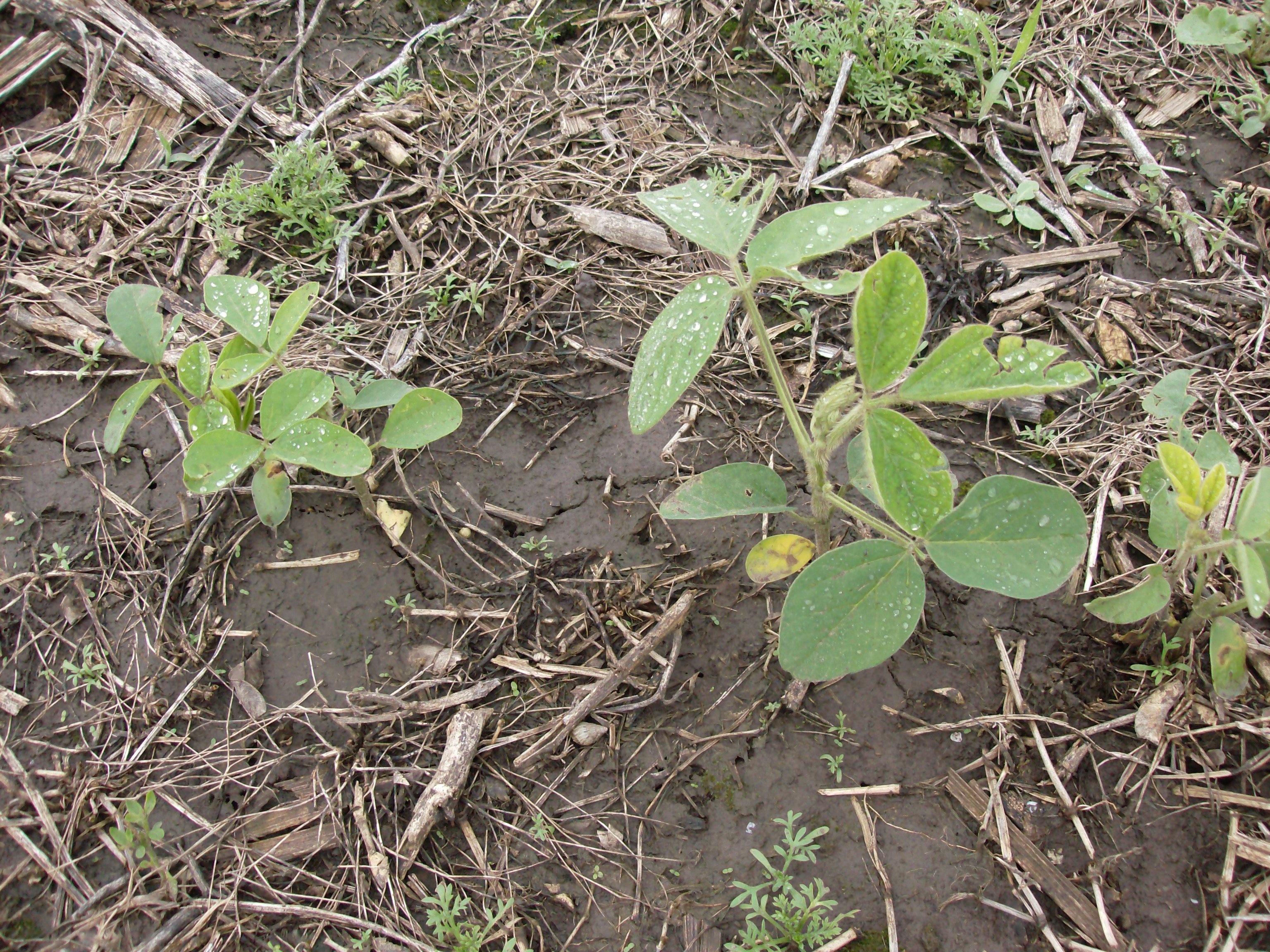
The soybean, soy bean, or soya bean is a species of legume native to East Asia, widely grown for its edible bean. Soy is a staple crop, the world's most grown legume, and an important animal feed.