Genetic and epigenetic mechanisms underlying cadmium (Cd) stress responses in soybean cultivars.
Ali S, Huang Y, Khan R, Khan K, Chi YX
Phytoremediation
Cadmium — a toxic heavy metal from fertilizers, industrial runoff, and polluted soils — quietly accumulates in food crops like soybeans, and understanding which plants can resist it helps scientists breed varieties that keep your tofu, edamame, and soy-based foods safer to eat.
Scientists tested 25 varieties of soybean to see how well they could handle cadmium, a toxic metal that gets into soil from pollution. They found that some varieties — especially ZH35 and ND257 — were much better at surviving cadmium exposure because they produced protective compounds and had subtle changes in how their genes were switched on or off. The more sensitive varieties showed signs of cellular damage, like a kind of internal rust, while the tough ones stayed healthier and kept growing.
Key Findings
25 soybean germplasms were screened under 20 µM cadmium stress, revealing five distinct tolerance groups with ZH35 and ND257 as most tolerant and MRidge and JXD as most susceptible.
Tolerant cultivars maintained better growth and antioxidant defenses, while susceptible cultivars accumulated higher levels of oxidative damage (hydrogen peroxide), indicating cellular stress.
Multi-omics analysis identified isoflavonoid biosynthesis and gene-specific DNA methylation as key mechanisms driving cadmium tolerance in soybean.
chevron_right Technical Summary
Researchers identified that soybean plants tolerant to cadmium soil contamination rely on specific chemical defenses (isoflavonoids) and DNA-level regulatory switches (methylation) to survive. Two cultivars — ZH35 and ND257 — showed the strongest tolerance, offering potential targets for breeding safer, more resilient food crops.
Abstract Preview
Multi-omics analysis reveals that isofl avonoid biosynthesis and gene-specifi c DNA methylation are key mechanisms underlying cadmiumtolerance in soybean. Cadmium (Cd) contamination poses a signifi...
open_in_new Read full abstractAbstract copyright held by the original publisher.
Species Mentioned
Was this useful?
Want to tell us more? (optional)
Thanks for the note!
Something went wrong — please try again.
Too many submissions. Try again in an hour.
Targeted knockout of a host peroxisomal peptidase confers field resistance to...
The corn in your grocery store and the staple food keeping millions of East African families fed is under serious threat from a viral disease that can wipe o...
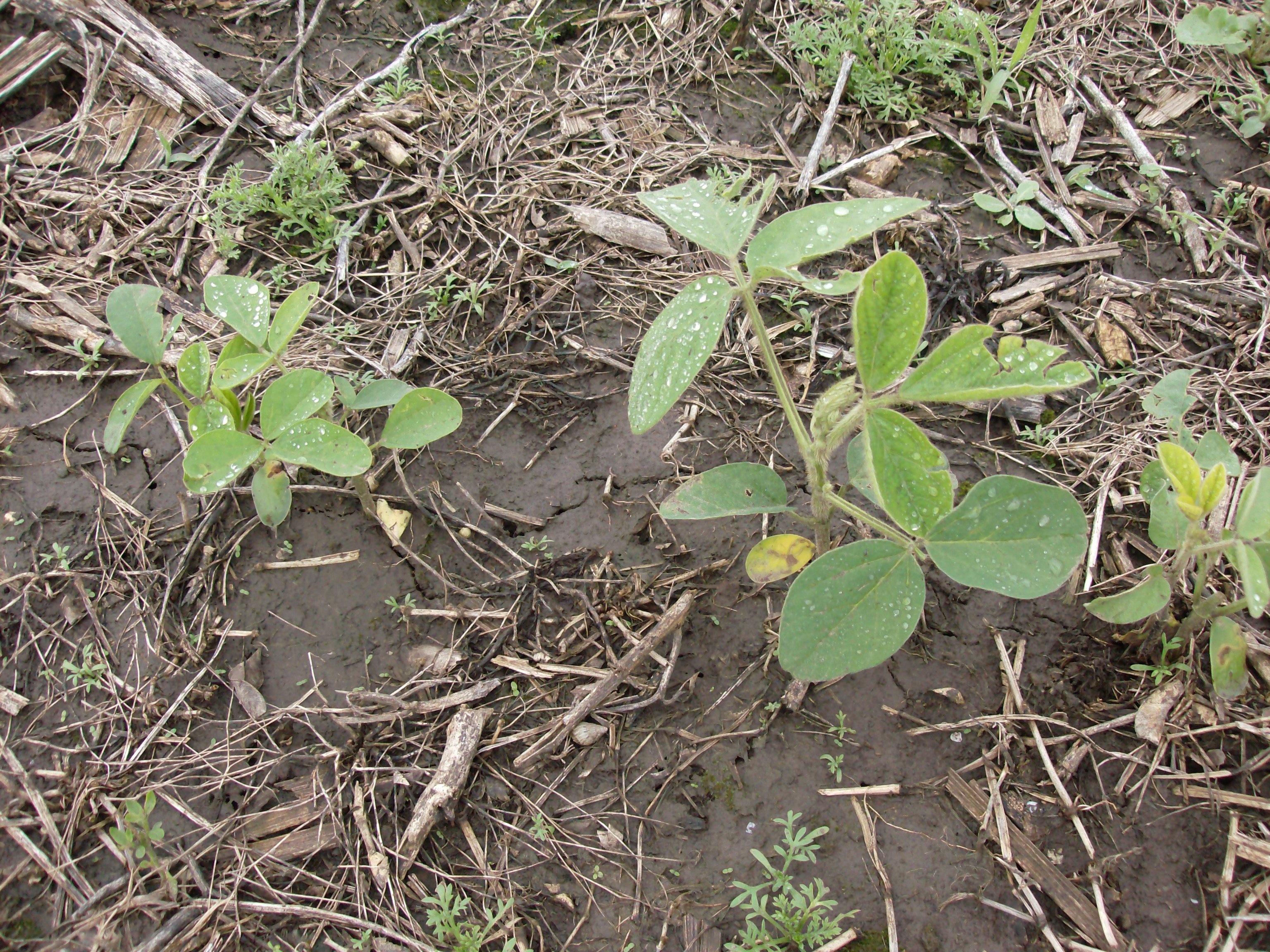
The soybean, soy bean, or soya bean is a species of legume native to East Asia, widely grown for its edible bean. Soy is a staple crop, the world's most grown legume, and an important animal feed.