A GmWRKY20-GmbZIP9 transcriptional module synergistically activates GmANKTM21 to confer drought tolerance in soybean.
Jiao S, Zhao K, Liu X, Zhao J, Zhao R
Crispr
Soybeans are in roughly 60% of processed foods — breeding drought-tougher varieties means more stable harvests as heat waves and dry summers become the norm in major growing regions.
Scientists found two molecular switches inside soybean plants that, when working together, flip on a special gene that helps the plant handle drought stress far better than either switch could alone. They confirmed this by using a gene-editing tool to disable one switch — plants without it wilted faster and produced less protective antioxidants. When they boosted both switches at the same time, the plants survived drought conditions much better than plants with just one or neither switch active.
Key Findings
Knocking out GmWRKY20 using CRISPR/Cas9 reduced antioxidant enzyme activity and decreased drought tolerance, confirming it is essential for soybean water-stress survival.
Co-expressing both GmWRKY20 and GmbZIP9 together produced a synergistic effect superior to either gene alone, conferring better osmotic-stress tolerance and survival in both yeast and soybean assays.
The GmWRKY20-GmbZIP9 protein pair directly binds the promoter of GmANKTM21 — a plasma-membrane ankyrin-repeat gene — and drives its transcription, identifying the downstream mechanism for enhanced antioxidant defense.
chevron_right Technical Summary
Researchers discovered a pair of proteins in soybean that team up to activate a drought-survival gene, and engineering plants to have more of both proteins makes soybeans dramatically better at surviving water stress.
Abstract Preview
Soybean yields are increasingly curtailed by drought; however, the native transcription factor pairs that translate water-deficit signals into a robust antioxidant response have not been fully char...
open_in_new Read full abstractAbstract copyright held by the original publisher.
Species Mentioned
Was this useful?
Want to tell us more? (optional)
Thanks for the note!
Something went wrong — please try again.
Too many submissions. Try again in an hour.
Targeted knockout of a host peroxisomal peptidase confers field resistance to...
The corn in your grocery store and the staple food keeping millions of East African families fed is under serious threat from a viral disease that can wipe o...
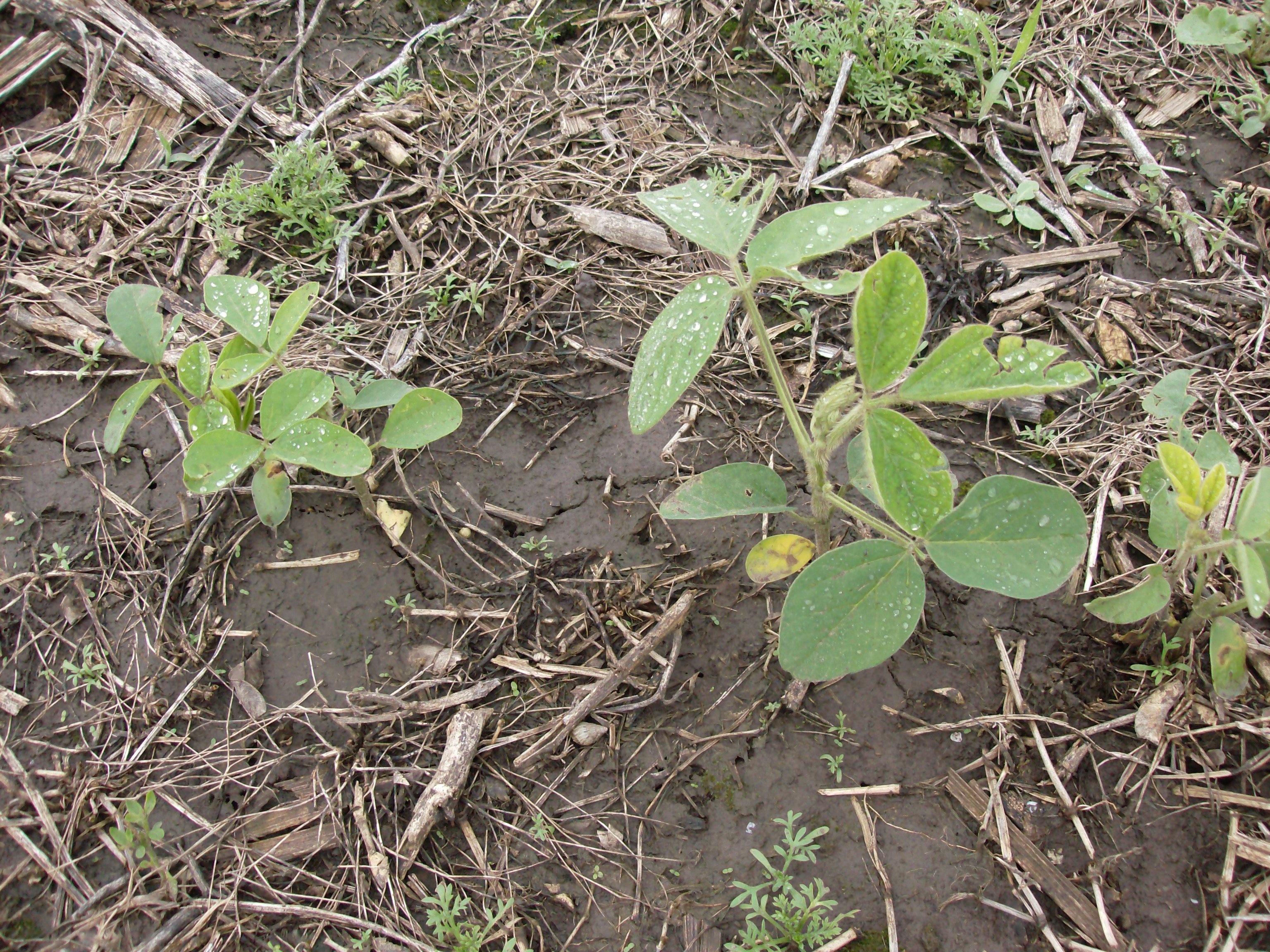
The soybean, soy bean, or soya bean is a species of legume native to East Asia, widely grown for its edible bean. Soy is a staple crop, the world's most grown legume, and an important animal feed.