The GmCYCLOPS paralogs regulate soybean nodulation and exhibit signatures during domestication.
Lei Y, Liu Z, Chen Q, Wu X, Li M
Crop Improvement
Every bag of soybean-based fertilizer or tofu you've ever touched exists partly because soybean roots cut a deal with soil bacteria — and these two genes are the handshake that makes that deal happen, meaning breeders can now fine-tune that partnership to grow more protein with less synthetic nitrogen.
Soybeans are special because their roots can team up with soil bacteria to pull nitrogen directly from the air — a natural fertilizer factory. Researchers found two nearly identical genes that act like an 'on switch' for this partnership: turning them off nearly eliminates the root nodules where bacteria live, while boosting them creates more nodules. Tracing these genes across 1,500 soybean varieties also showed that farmers unknowingly selected a specific version of one gene during thousands of years of cultivation, and it's now found in nearly every modern soybean grown.
Key Findings
GmCYCLOPS1 haplotype Hap10, absent in wild soybeans, reached 91% frequency in landraces and 99% in cultivated varieties, indicating strong human selection during domestication.
CRISPR knockout of both GmCYCLOPS1 and GmCYCLOPS2 produced severe nodulation defects, while overexpression enhanced nodule formation, confirming both genes are required for normal root-bacteria symbiosis.
Both genes showed peak expression at 12 hours after rhizobial inoculation and were enriched in roots and nodules, with GmCYCLOPS2 showing more regionally structured haplotype diversity than GmCYCLOPS1.
chevron_right Technical Summary
Scientists identified two nearly identical soybean genes, GmCYCLOPS1 and GmCYCLOPS2, that act as master switches for nodulation — the process by which soybeans form root partnerships with nitrogen-fixing bacteria. Genetic analysis of 1,500+ soybean varieties revealed that one version of GmCYCLOPS1 was actively selected during domestication, now present in 99% of modern cultivars.
Abstract Preview
CYCLOPS functions as a central regulator in legume-rhizobia symbiosis, but its role in cultivated soybean remains incompletely characterized. Through homology-based sequence analysis using Lotus ja...
open_in_new Read full abstractAbstract copyright held by the original publisher.

Was this useful?
Want to tell us more? (optional)
Thanks for the note!
Something went wrong — please try again.
Too many submissions. Try again in an hour.
Targeted knockout of a host peroxisomal peptidase confers field resistance to...
The corn in your grocery store and the staple food keeping millions of East African families fed is under serious threat from a viral disease that can wipe o...
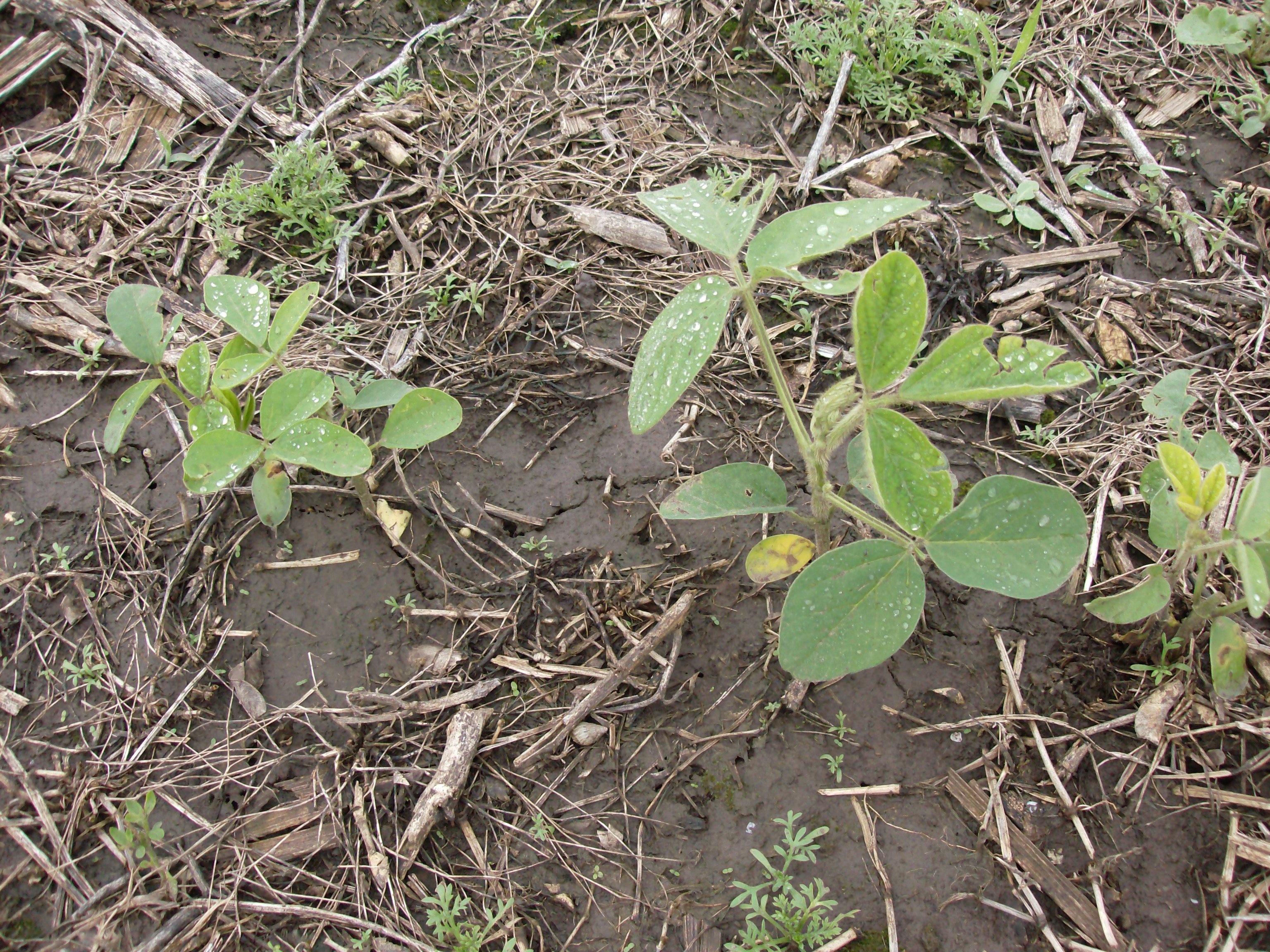
The soybean, soy bean, or soya bean is a species of legume native to East Asia, widely grown for its edible bean. Soy is a staple crop, the world's most grown legume, and an important animal feed.