Nano-enabled RNAi strategies for sustainable citrus protection against viral pathogens.
Ali A, Riaz A, Faiq M, Seelan JSS, Baloch FS
Plant Disease
The lemon or orange tree in your yard is vulnerable to viruses spread by aphids and mites that slowly drain its vigor over years — and this research points toward molecular sprays that could teach the tree to silence those viruses before they take hold.
Citrus trees face a lineup of viruses that weaken them season by season, reducing fruit quality and eventually killing the tree — and the usual fixes like resistant rootstocks only go so far. Scientists have long known that plants have a built-in way to 'silence' viral genes, almost like hitting mute on an intruder, but getting the right molecules into the plant without them falling apart was the problem. This review looks at how wrapping those silencing molecules in tiny nanoparticle carriers could finally make the approach work in real orchards, either as a spray or built into the tree itself.
Key Findings
Eight citrus viruses — including Citrus tristeza virus and Citrus psorosis virus — cause severe yield loss and orchard decline, and conventional management strategies consistently fail to provide durable field-level protection.
RNA interference can silence citrus viruses with high sequence specificity, but the dsRNA molecules degrade rapidly in the environment and penetrate plant tissue poorly without a delivery system.
Nanocarrier encapsulation protects dsRNA from degradation and improves plant uptake, making both spray-applied (SIGS) and host-induced (HIGS) RNAi strategies more viable — though large-scale biosafety data and regulatory frameworks are still lacking.
chevron_right Technical Summary
A review of how nanotechnology-assisted RNA interference (RNAi) could protect citrus trees from eight major viral diseases, including the economically devastating Citrus tristeza virus. By wrapping gene-silencing molecules in nanoparticle carriers, researchers see a path to precision antiviral sprays or engineered trees — though regulatory and biosafety hurdles remain.
Abstract Preview
In conclusion, nanotechnology-assisted RNAi offers a promising and sustainable approach for managing citrus viral diseases through improved dsRNA stability and targeted delivery. Integration of HIG...
open_in_new Read full abstractAbstract copyright held by the original publisher.
Species Mentioned

Was this useful?
Want to tell us more? (optional)
Thanks for the note!
Something went wrong — please try again.
Too many submissions. Try again in an hour.
Targeted knockout of a host peroxisomal peptidase confers field resistance to...
The corn in your grocery store and the staple food keeping millions of East African families fed is under serious threat from a viral disease that can wipe o...

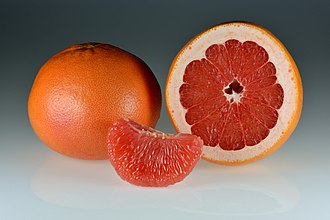
Citrus is a genus of flowering trees and shrubs in the family Rutaceae. Plants in the genus produce citrus fruits, such as citrons, mandarins, and pomelos. Many important citrus crops have been developed through extensive hybridization, including oranges, lemons, grapefruits, and limes, all of wh...