Generation and Characterization of Autotetraploid Sweet Sorghum
Studer, A. j.; Dominguez Mendez, L.; Swaminathan, K.; Jenkins, W.; James, B.
Crop Improvement
Fuel pumped at your local gas station could one day come from a grass crop that thrives on marginal land with little water — bringing biofuel production closer to farmers who can't grow corn or sugarcane.
Researchers took sweet sorghum — a tall, sugar-rich grass — and treated it with a chemical that doubled all its chromosomes, essentially giving the plant an extra copy of its entire genome. Plants with extra chromosome sets often grow bigger cells, which means more room to store sugar. When they grew these doubled plants in real farm fields for two years, the plants held their own against regular sorghum and often made more juice, suggesting this is a promising path toward a better biofuel crop.
Key Findings
Colchicine treatment successfully induced stable autotetraploid sorghum lines, confirmed by flow cytometry and larger stomatal cell size
Two autotetraploid lines derived from the same parent plant showed equal or improved juicing traits compared to diploid counterparts across a two-year field trial
Results suggest sorghum tolerates autopolyploidy induction in an inbred background, opening the door to further gains through progressive heterosis
chevron_right Technical Summary
Scientists created a sweet sorghum plant with doubled chromosomes to boost its sugar output for biofuel production. In two years of field trials, these engineered plants performed as well as or better than normal sorghum for juice and sugar traits.
Abstract Preview
Increasing the diversity of biofuel crops can help meet energy demands while also stabilizing the domestic biofuel market. Sorghum bicolor is a promising feedstock for bioethanol production due to ...
open_in_new Read full abstractAbstract copyright held by the original publisher.
Species Mentioned


Was this useful?
Want to tell us more? (optional)
Thanks for the note!
Something went wrong — please try again.
Too many submissions. Try again in an hour.
Gene editing removes 97% of celiac-triggering proteins from bread wheat
It could mean that people with celiac disease — roughly 1 in 100 worldwide — may one day safely eat bread made from real wheat, without sacrificing the taste...
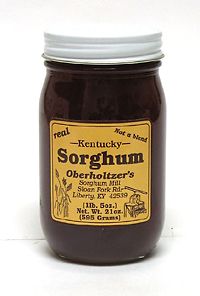
Sweet sorghum, sorgo, or sorgho is any of the many varieties of the sorghum grass whose stalks have a high sugar content. Sweet sorghum thrives better under drier and warmer conditions than many other crops and is grown primarily for forage, silage, and syrup production.