Correlation analysis of lead stress-induced alterations in root metabolome and rhizosphere microbiome of Cuminum cyminum L.
Yang X, Liu W, Mao Y, Wang H
Soil Health
Spices like cumin grown in contaminated soils near industrial or mining areas are absorbing heavy metals through altered root chemistry — and this study maps exactly how that happens, offering a clearer picture of what ends up in your spice rack.
Scientists grew cumin (the spice) in soil spiked with different amounts of lead and watched what happened underground. The lead changed which bacteria lived around the roots and caused the plant to flood its roots with protective chemicals like amino acids and antioxidants. Surprisingly, the biggest factor affecting how well plants grew wasn't these microbial or chemical defenses — it was simply how degraded the soil itself had become.
Key Findings
Lead at 400–800 mg/kg increased microbial diversity in cumin's root zone, but high lead (1200 mg/kg) reduced community evenness, favoring metal-tolerant bacteria like Sphingomonas and Arenimonas.
Lead exposure caused cumin roots to accumulate amino acids, organic acids, and flavonoids — a broad chemical defense response — while soil urease and acid phosphatase enzyme activity declined.
Random forest modeling showed soil physicochemical properties (pH, organic matter, nitrogen, phosphorus, potassium) had a stronger correlation with plant growth than either root metabolites or rhizosphere microbes under lead stress.
chevron_right Technical Summary
Researchers found that lead pollution in soil disrupts the root microbes and chemical defenses of cumin plants, but the physical and chemical state of the soil itself matters more to plant survival than either the microbes or the plant's own chemical responses.
Abstract Preview
Lead (Pb) contamination in agricultural soils poses serious threats to crop production and food safety. Cuminum cyminum L. is an important spice crop widely cultivated in arid regions, but its rhiz...
open_in_new Read full abstractAbstract copyright held by the original publisher.
Species Mentioned
Was this useful?
Want to tell us more? (optional)
Thanks for the note!
Something went wrong — please try again.
Too many submissions. Try again in an hour.
Ancient Amazonian forests were planted and tended by Indigenous farmers
Forests and fruits we romanticize as wild — including many plants now in our kitchens and gardens — may exist in their current abundance precisely because an...
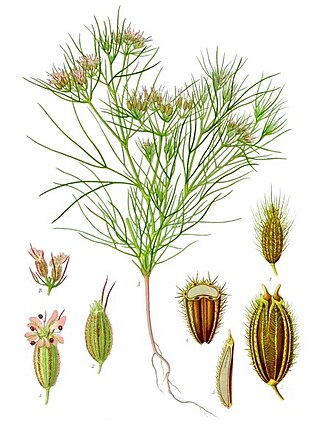
Cumin is a flowering plant in the family Apiaceae, native to the Irano-Turanian Region. Its seeds – each one contained within a fruit, which is dried – are used in the cuisines of many cultures in both whole and ground form. Although cumin is used in traditional medicine, there is no high-quality...