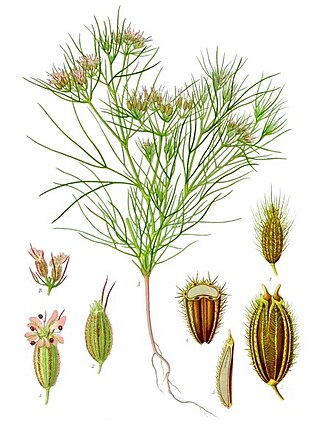
Researchers found that lead pollution in soil disrupts the root microbes and chemical defenses of cumin plants, but the physical and chemical state of the soil itself matters more to plant survival than either the microbes or the plant's own chemical responses.
1
Lead at 400–800 mg/kg increased microbial diversity in cumin's root zone, but high lead (1200 mg/kg) reduced community evenness, favoring metal-tolerant bacteria like Sphingomonas and Arenimonas.
2
Lead exposure caused cumin roots to accumulate amino acids, organic acids, and flavonoids — a broad chemical defense response — while soil urease and acid phosphatase enzyme activity declined.
3
Random forest modeling showed soil physicochemical properties (pH, organic matter, nitrogen, phosphorus, potassium) had a stronger correlation with plant growth than either root metabolites or rhizosphere microbes under lead stress.
mail
Weekly plant science — one email, Saturdays.
Check your inbox to confirm — link expires in 24 hours.
Something went wrong — please try again.
Too many signup attempts from your network. Try again in an hour, or email hello@plant.news.