A promoter indel in GmSTOP1a drives soybean adaptation to low-phosphorus acidic soils in low-latitude regions.
Guo Z, Duan M, Chen B, Liu J, Jiang H
Crop Improvement
Soybeans grown in tropical gardens and smallholder farms across South America and Southeast Asia often struggle in acidic, nutrient-locked soils — and this discovery points to a single genetic switch that lets some varieties unlock phosphorus the soil has been hoarding.
Soybeans grown in tropical regions often can't get enough phosphorus because it gets chemically trapped in acidic soils. Researchers found that some soybean varieties have a small difference in a single gene's 'on switch' that lets them release trapped phosphorus by secreting acids from their roots. In field trials, soybeans with this activated gene produced significantly more seeds even without phosphorus fertilizer.
Key Findings
A 24-bp insertion in the GmSTOP1a gene promoter, common in high-latitude soybeans, disables a key binding site and weakens the plant's response to phosphorus deficiency
Low-latitude soybean varieties lacking this insertion show strong activation of acid-secreting root genes, enabling them to mobilize fixed phosphorus in weathered tropical soils
Field trials demonstrated that GmSTOP1a overexpression significantly increased seed yield with no phosphorus fertilizer applied, confirming direct agronomic value
chevron_right Technical Summary
Scientists discovered that a tiny DNA variation in soybean's promoter region determines whether the plant can thrive in the phosphorus-poor acidic soils common across tropical and subtropical regions. This genetic difference, shaped by human selection as farmers pushed soybeans into lower latitudes, could enable breeding of high-yielding soybeans that need far less phosphorus fertilizer.
Abstract Preview
Low-phosphorus (LP) availability is a major barrier to soybean cultivation in tropical and subtropical regions, where highly weathered acidic soils strongly fix phosphate. The genetic basis driving...
open_in_new Read full abstractAbstract copyright held by the original publisher.
Species Mentioned
Was this useful?
Want to tell us more? (optional)
Thanks for the note!
Something went wrong — please try again.
Too many submissions. Try again in an hour.
Gene editing removes 97% of celiac-triggering proteins from bread wheat
It could mean that people with celiac disease — roughly 1 in 100 worldwide — may one day safely eat bread made from real wheat, without sacrificing the taste...
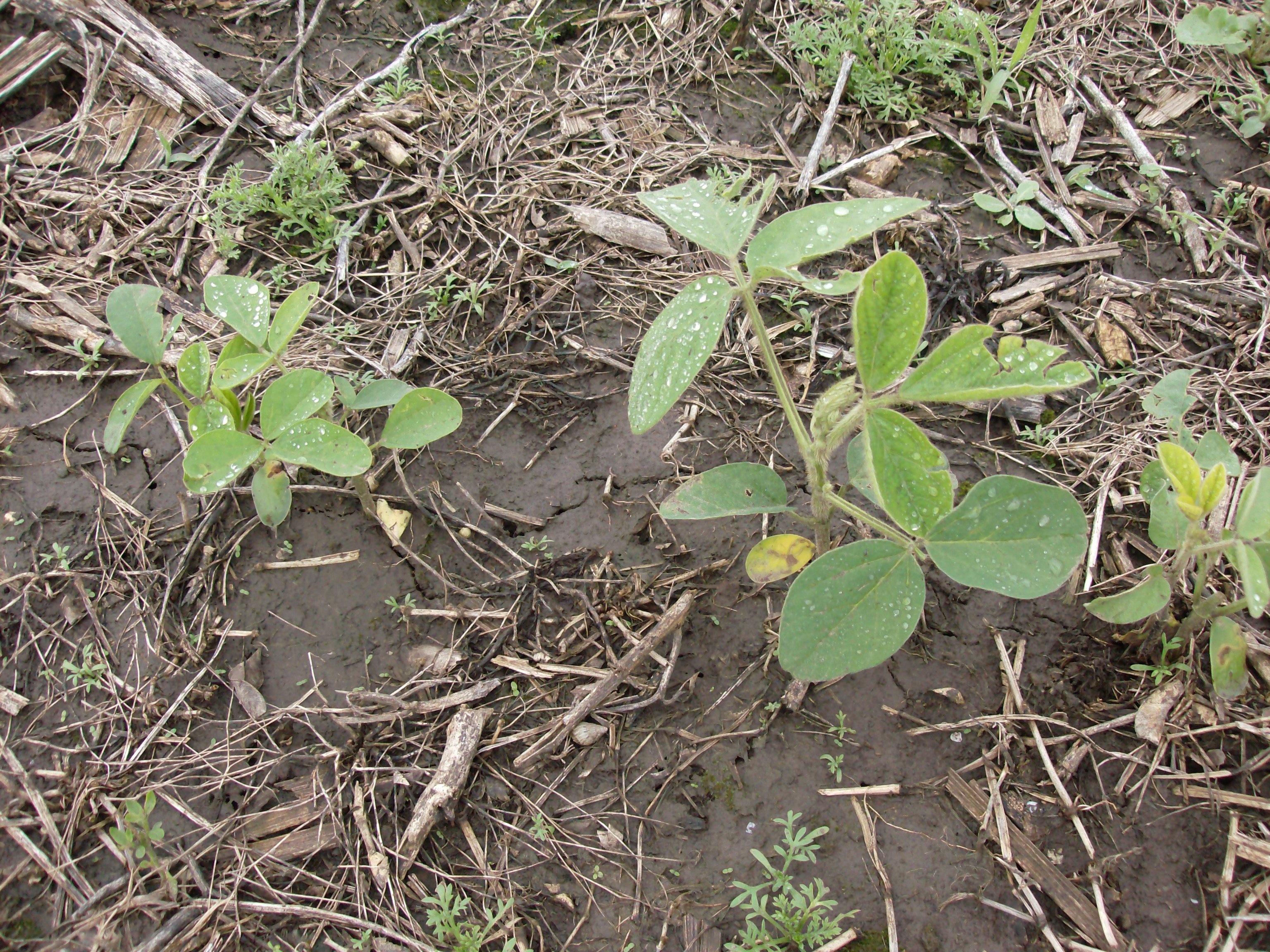
The soybean, soy bean, or soya bean is a species of legume native to East Asia, widely grown for its edible bean. Soy is a staple crop, the world's most grown legume, and an important animal feed.