Bacterial Diversity and Functional Dynamics in the Soybean (Glycine max L.) Rhizosphere Under Different Organic Fertilisation.
Osuji IE, Akanmu AO, Babalola OO
Soil Health
The compost you choose for your vegetable bed isn't just feeding your plants — it's curating an entirely different underground community that shapes what nutrients become available and how well your crops grow.
Scientists added either chicken manure or cow dung to soybean fields and then looked at all the tiny bacteria living around the plant roots. They found that each type of manure attracted very different groups of bacteria — almost like choosing different guests for a dinner party. Even though the bacteria communities looked different, the essential soil jobs still got done either way, which is good news for farmers wanting to skip synthetic fertilizers.
Key Findings
Chicken manure increased available phosphorus by 28% and calcium by 19%, while cow dung raised potassium by 22% and magnesium by 17%.
Bacterial diversity was highest under chicken manure (Shannon index 6.2) and lowest under cow dung (5.1), with untreated bulk soil scoring in between at 6.0.
Despite very different bacterial communities under each treatment, core soil functions were preserved across all plots, suggesting the microbiome adapts without losing essential capabilities.
chevron_right Technical Summary
Adding chicken manure or cow dung to soybean fields changes which soil bacteria thrive — and the type of manure matters. Chicken manure boosts phosphorus and supports a richer, more diverse microbial community, while cow dung favors decomposer bacteria and raises potassium levels.
Abstract Preview
Soybean (Glycine max L.) is a globally important legume for oil and protein production, yet its responses to specific organic fertilisation practices remain insufficiently understood. Organic amend...
open_in_new Read full abstractAbstract copyright held by the original publisher.
Species Mentioned
Was this useful?
Want to tell us more? (optional)
Thanks for the note!
Something went wrong — please try again.
Too many submissions. Try again in an hour.
Targeted knockout of a host peroxisomal peptidase confers field resistance to...
The corn in your grocery store and the staple food keeping millions of East African families fed is under serious threat from a viral disease that can wipe o...
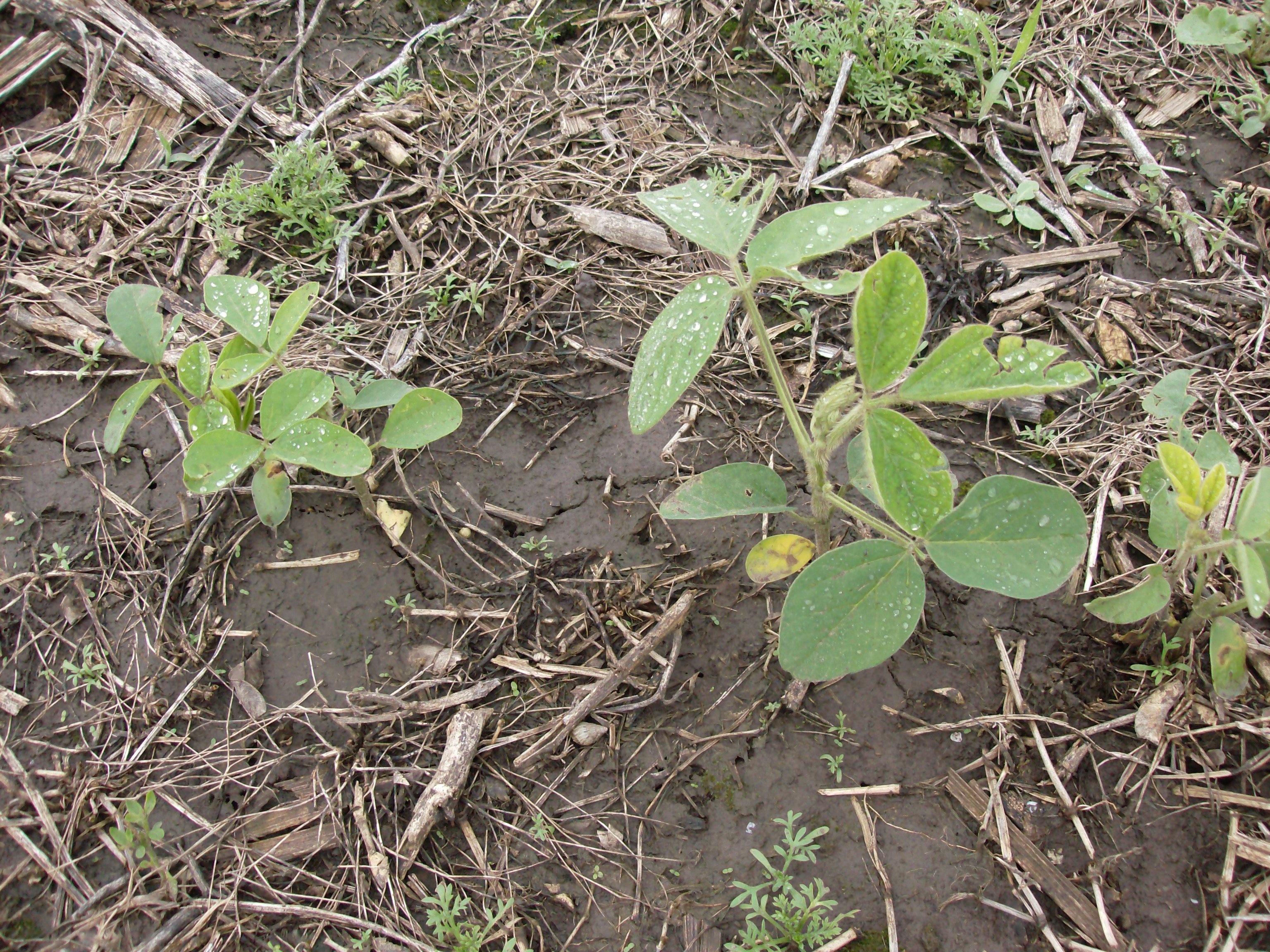
The soybean, soy bean, or soya bean is a species of legume native to East Asia, widely grown for its edible bean. Soy is a staple crop, the world's most grown legume, and an important animal feed.