Methylobacterium spp. and biological control of phytopathogenic Fusarium spp.
Palberg DM, Emery RJN
Soil Health
Fusarium mold silently rots seeds in your vegetable garden before they ever sprout, and these naturally occurring bacteria may one day replace or reduce the fungicides currently sprayed on commercial bean and grain crops.
Scientists tested dozens of strains of a naturally occurring bacterium that lives on plant leaves to see if any could fight off a nasty mold called Fusarium, which ruins seeds and seedlings of crops like soybeans. A few specific strains worked well, releasing chemicals that slowed the mold's growth and helped soybean seeds sprout healthier even when the mold was present in the soil. This points toward a natural, bacteria-based way to protect plants from this common fungal enemy.
Key Findings
Only 2 of 40 Methylobacterium strains—M. thiocyanatum and M. aminovorans—produced strong inhibition (>30%) against all three Fusarium species tested.
M. organophilum reduced disease severity, necrotic lesions, and fungal colonization on soybean seeds challenged with Fusarium graminearum in both artificial and real soil substrates.
Fungal suppression was enhanced on low-nutrient media amended with bacterial broth, indicating diffusible (secreted) compounds—not direct contact—drive the antagonism.
chevron_right Technical Summary
Certain strains of a common leaf-surface bacterium (Methylobacterium) can suppress Fusarium mold—a major crop destroyer—both in lab tests and in real soil, improving soybean seed germination and seedling survival.
Abstract Preview
The biocontrol potential of Methylobacterium spp. against key phytopathogenic fungi was evaluated using in vitro antagonism assays and confined germination bioassays. Across 40 Methylobacterium iso...
open_in_new Read full abstractAbstract copyright held by the original publisher.
Species Mentioned
Was this useful?
Want to tell us more? (optional)
Thanks for the note!
Something went wrong — please try again.
Too many submissions. Try again in an hour.
Targeted knockout of a host peroxisomal peptidase confers field resistance to...
The corn in your grocery store and the staple food keeping millions of East African families fed is under serious threat from a viral disease that can wipe o...
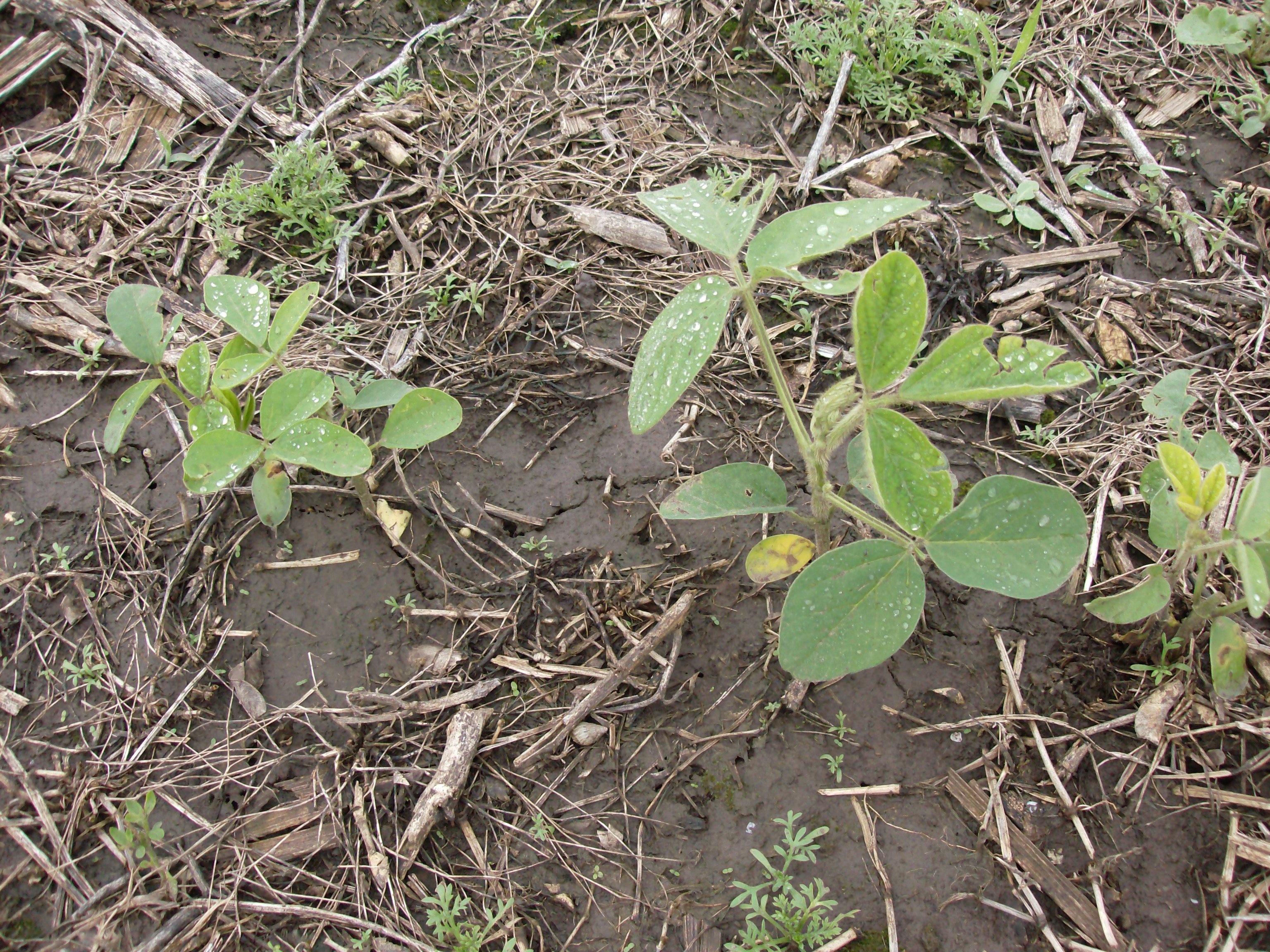
The soybean, soy bean, or soya bean is a species of legume native to East Asia, widely grown for its edible bean. Soy is a staple crop, the world's most grown legume, and an important animal feed.