Biosynthesized selenium nanoparticles increase soybean resistance to root rot by recruiting beneficial microbes and reprogramming host metabolism.
Liu H, Han S, Shi K, Zhang Y, Xu Y
Soil Health
Soybeans in your local fields and in virtually every processed food you eat are under growing threat from a soil fungus that current chemical treatments are making worse — this natural alternative could change that without poisoning the soil.
A type of beneficial bacteria was used to create ultra-tiny selenium particles — about 150 times smaller than a human hair — that were fed to soybean plants threatened by a root-killing fungus. The particles worked in two ways at once: they switched on the plant's own immune defenses and also drew in communities of helpful soil microbes that push back against the disease-causing fungus. The result was significantly healthier plants without the environmental downsides of conventional fungicides.
Key Findings
Selenium nanoparticles biosynthesized by Bacillus subtilis ZY56 were spherical and approximately 147 nm in diameter, consisting of amorphous elemental selenium.
SeNPs significantly increased soybean resistance to Fusarium oxysporum root rot through a dual mechanism: priming host immune defenses and reshaping the beneficial soil microbiome.
The approach offers a sustainable nano-enabled alternative to chemical fungicides, which risk environmental harm and promoting pathogen resistance over time.
chevron_right Technical Summary
Scientists used a soil bacterium to manufacture tiny selenium particles that protect soybeans from a devastating root rot fungus. The nanoparticles work by both boosting the plant's own defenses and attracting helpful soil microbes that fight off the pathogen.
Abstract Preview
Soybean root rot, primarily caused by Fusarium species, is a devastating soil-borne disease that severely threatens global soybean production. Conventional chemical controls are problematic due to ...
open_in_new Read full abstractAbstract copyright held by the original publisher.
Species Mentioned
Was this useful?
Want to tell us more? (optional)
Thanks for the note!
Something went wrong — please try again.
Too many submissions. Try again in an hour.
Targeted knockout of a host peroxisomal peptidase confers field resistance to...
The corn in your grocery store and the staple food keeping millions of East African families fed is under serious threat from a viral disease that can wipe o...
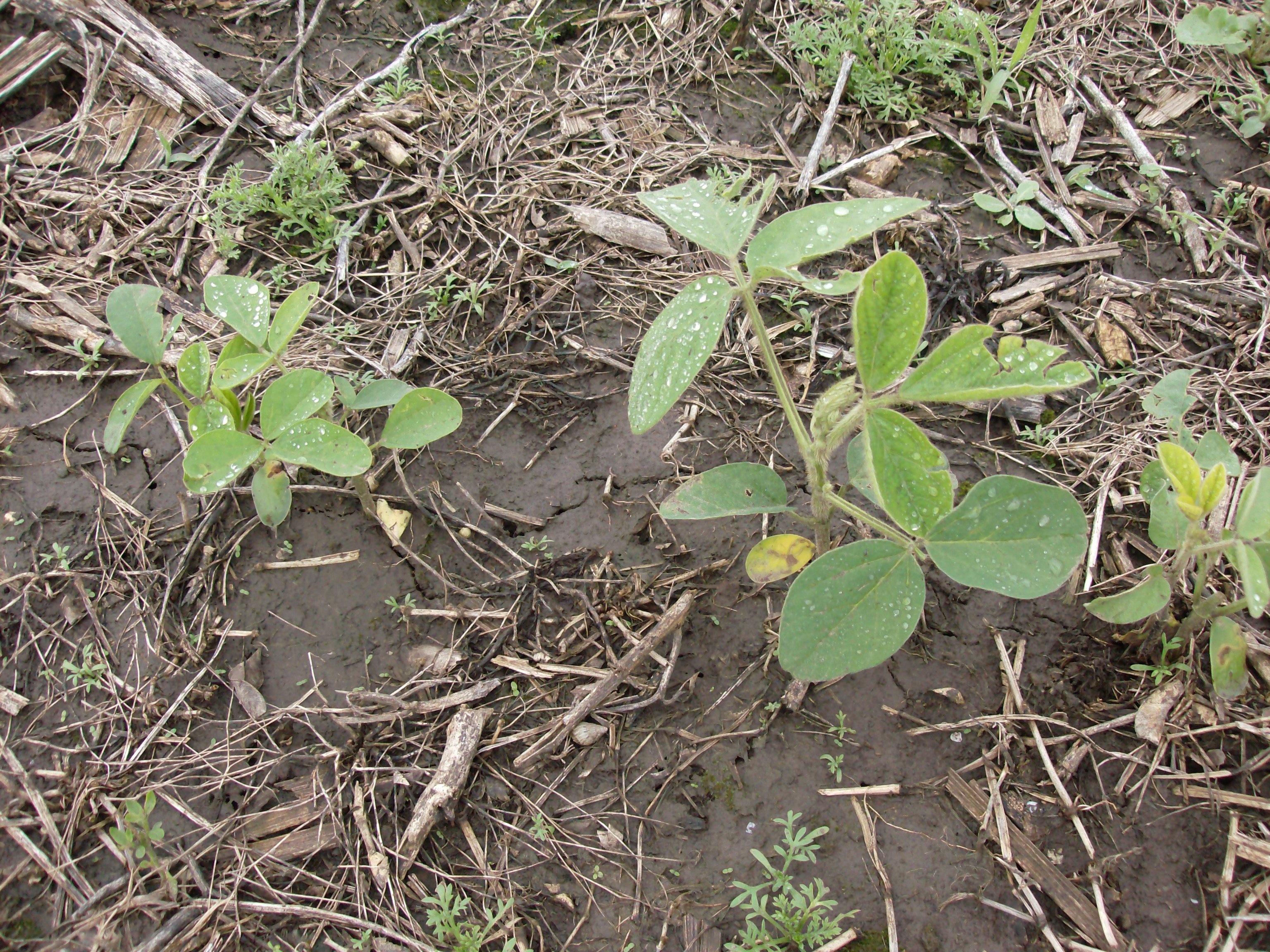
The soybean, soy bean, or soya bean is a species of legume native to East Asia, widely grown for its edible bean. Soy is a staple crop, the world's most grown legume, and an important animal feed.