Hormone-optimized hypocotyl-epicotyl-cotyledonary tri-complex explant system enables efficient soybean transformation with reduced genotype dependence.
Sushmitha J, Gadpayale DP, Bansal N, Kumar RR, Prashat GR
Crispr
Soybeans feed billions of people and fix nitrogen into soil — and this breakthrough means researchers can now engineer improved varieties faster, opening the door to soybeans that need less fertilizer, resist drought, or yield more with fewer inputs.
Getting new traits into soybeans has always been frustratingly difficult because the plant's tissues are picky about growing back into whole plants in the lab. This team found that by cutting out a piece of seedling that includes three connected growing zones — instead of just one — they could coax far more plants to regenerate successfully. They tested it across four different soybean varieties and it worked well in all of them, which is rare for this kind of technique.
Key Findings
The new tri-complex explant system achieved an average 40.3% transformation efficiency in the JS-335 soybean cultivar, compared to much lower rates with conventional single-meristem explants.
The method worked across four soybean cultivars (JS-335, JS-2034, JS-2069, and PUSA-9712) with 26–41% efficiency, demonstrating substantially reduced genotype dependence.
CRISPR/Cas9 gene editing was successfully demonstrated using this system, with molecular analysis confirming integration and expression of the target genes in transformed plants.
chevron_right Technical Summary
Scientists developed a new method to genetically engineer soybeans that is far more efficient and works across more soybean varieties than previous approaches, achieving a 40% success rate by using a multi-region plant tissue as the starting material.
Abstract Preview
A composite hypocotyl-epicotyl-cotyledonary tri-complex (HECC) explant significantly improves soybean regeneration and Agrobacterium-mediated transformation efficiency (40.3%) while reducing genoty...
open_in_new Read full abstractAbstract copyright held by the original publisher.
Species Mentioned
Was this useful?
Want to tell us more? (optional)
Thanks for the note!
Something went wrong — please try again.
Too many submissions. Try again in an hour.
Targeted knockout of a host peroxisomal peptidase confers field resistance to...
The corn in your grocery store and the staple food keeping millions of East African families fed is under serious threat from a viral disease that can wipe o...
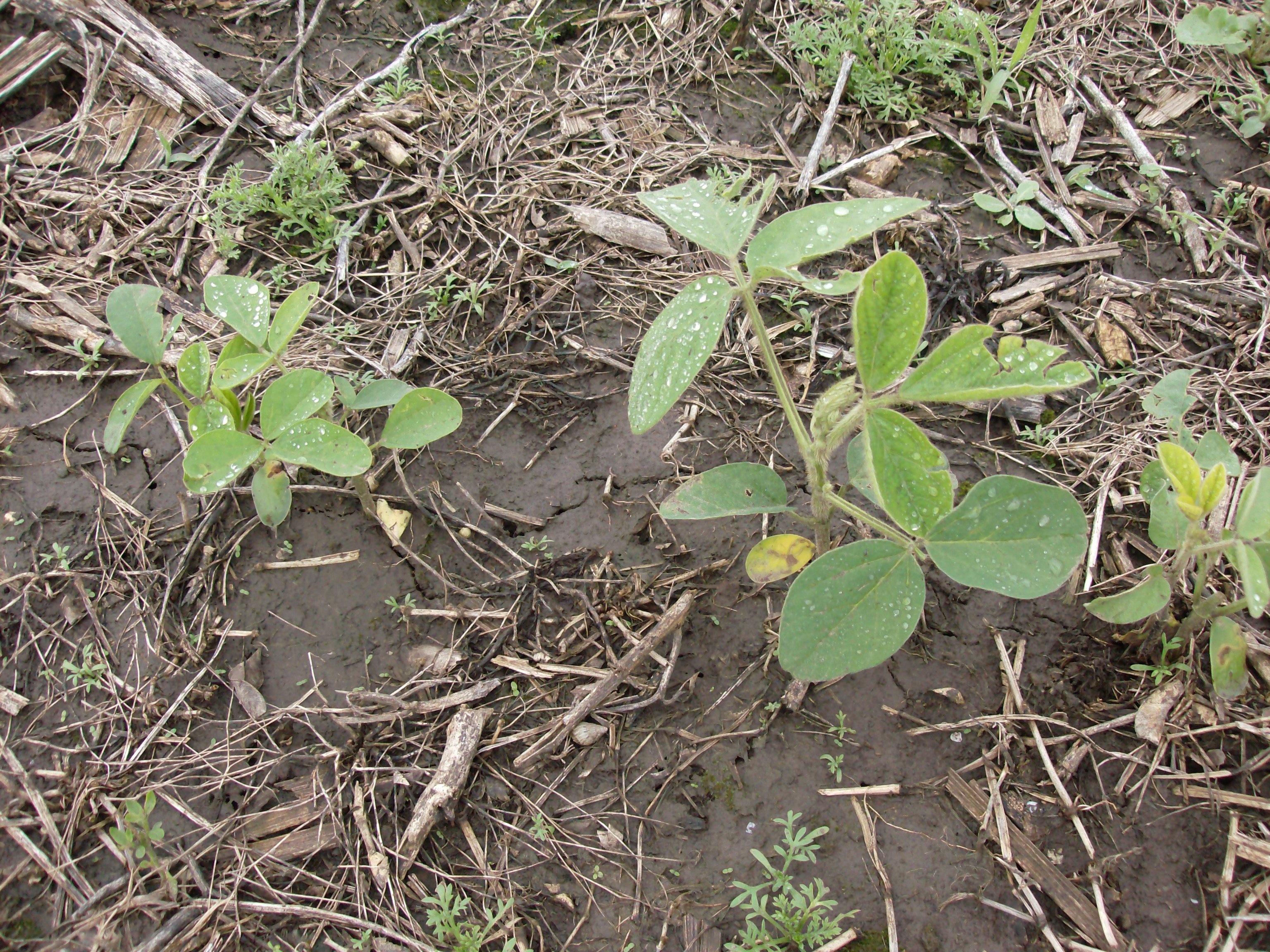
The soybean, soy bean, or soya bean is a species of legume native to East Asia, widely grown for its edible bean. Soy is a staple crop, the world's most grown legume, and an important animal feed.