Soybean Protein Quality and Quantity: Genetic Control and Environmental Influences.
Fang Y, Xie H, Wang Y, Guo C
Crop Improvement
Every tofu block, edamame pod, and soy milk carton you reach for reflects a decades-long tug-of-war inside the soybean plant — more protein means less oil, and the climate where it's grown quietly tips the scales either way.
Soybeans are one of the world's best plant protein sources, but they're naturally low in a couple of important building blocks our bodies need. Breeders want to fix that, but boosting protein tends to lower the plant's oil at the same time — and on top of that, the weather and season length where soybeans are grown change how much protein ends up in the seed. This review pulls together what scientists now know about the genes and environmental triggers involved, aiming to guide the next wave of soybean breeding.
Key Findings
Soybeans have an inherent negative correlation between seed protein and oil content, making it difficult to improve one without sacrificing the other.
Environmental factors — including photoperiod, temperature, water availability, and nutrient supply — significantly influence final seed protein content and amino acid profile.
Low-latitude, distinct agro-climatic zones present unique challenges and opportunities for cultivating high-protein soybean varieties, highlighting the importance of genotype-by-environment interactions.
chevron_right Technical Summary
Scientists reviewed what controls how much protein soybean seeds contain and how nutritious that protein is, finding that both genes and growing conditions (like temperature, daylight length, and water) strongly shape the outcome. The goal is to breed soybeans with more and better protein without sacrificing yield or oil content.
Abstract Preview
Soybean [Glycine max (L.) Merr.] is a crucial global crop, serving as a primary source of high-quality plant protein. Its nutritional value is underscored by a nearly complete amino acid profile, t...
open_in_new Read full abstractAbstract copyright held by the original publisher.
Species Mentioned
Was this useful?
Want to tell us more? (optional)
Thanks for the note!
Something went wrong — please try again.
Too many submissions. Try again in an hour.
Targeted knockout of a host peroxisomal peptidase confers field resistance to...
The corn in your grocery store and the staple food keeping millions of East African families fed is under serious threat from a viral disease that can wipe o...
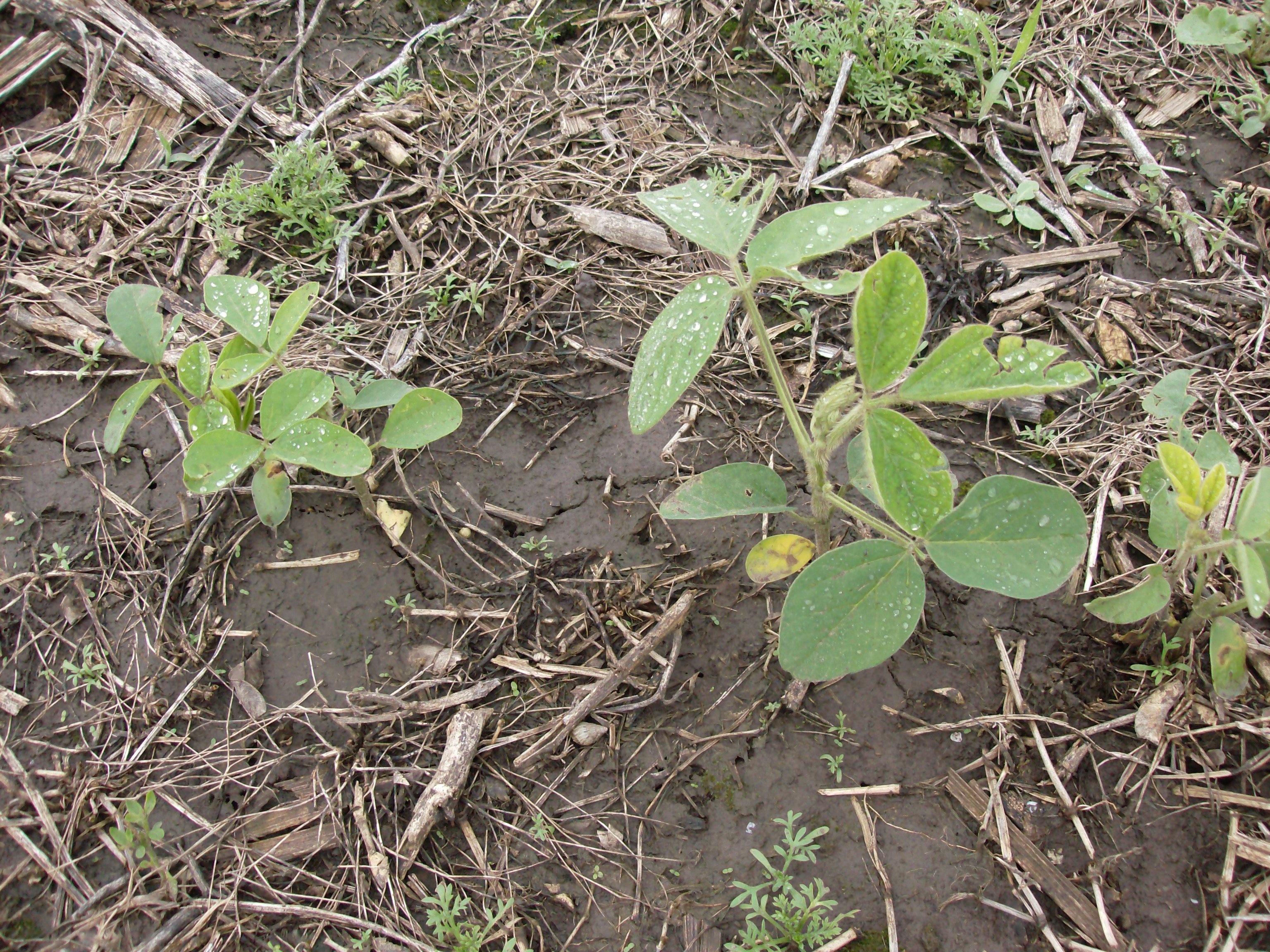
The soybean, soy bean, or soya bean is a species of legume native to East Asia, widely grown for its edible bean. Soy is a staple crop, the world's most grown legume, and an important animal feed.