Microbial co-inoculation and extracellular vesicles: new frontiers for soybean productivity.
Fulaneti FS, Brasil-Neto ES, Rumpel VS, de Paula Ribeiro L, Brum LN
Soil Health
The same nitrogen-fixing bacteria that make soybean fields self-fertilizing can be harnessed in home garden inoculants for beans and peas — meaning your backyard legumes could thrive with far less added fertilizer if you inoculate the seeds before planting.
Soybeans naturally team up with soil bacteria that pull nitrogen from the air and deliver it to the plant roots — essentially free fertilizer. Scientists are now developing smarter mixtures of these helpful bacteria, including some with precise genetic tweaks, to help soybeans grow better without relying on chemical fertilizers. This review maps out the most promising technologies and explains why getting the right microbes into the soil is one of the best tools farmers and even home gardeners have for growing more sustainably.
Key Findings
Soybean is a globally critical crop with Brazil, the United States, and Argentina as leading producers, and demand continues rising for food, biofuels, and industrial uses.
Microbial consortia (combined bacterial and fungal inoculants in a single product) and genetically edited microorganisms have shown strong performance gains over single-species inoculants in recent studies.
Extracellular vesicles — tiny packets released by bacteria — represent an emerging frontier for delivering microbial signals to plant roots, though commercial adoption of molecular inoculants remains limited.
chevron_right Technical Summary
Researchers review how beneficial soil bacteria — used as crop inoculants — can replace or reduce synthetic fertilizers for soybean farming. New frontiers like microbial consortia, genetically edited microbes, and extracellular vesicles show promise for boosting yields sustainably.
Abstract Preview
Over the past decades, the intensive use of chemical fertilizers in agriculture has shown low efficiency while causing serious environmental issues and leading to soil nutrient imbalances. These ch...
open_in_new Read full abstractAbstract copyright held by the original publisher.
Species Mentioned
Was this useful?
Want to tell us more? (optional)
Thanks for the note!
Something went wrong — please try again.
Too many submissions. Try again in an hour.
Targeted knockout of a host peroxisomal peptidase confers field resistance to...
The corn in your grocery store and the staple food keeping millions of East African families fed is under serious threat from a viral disease that can wipe o...
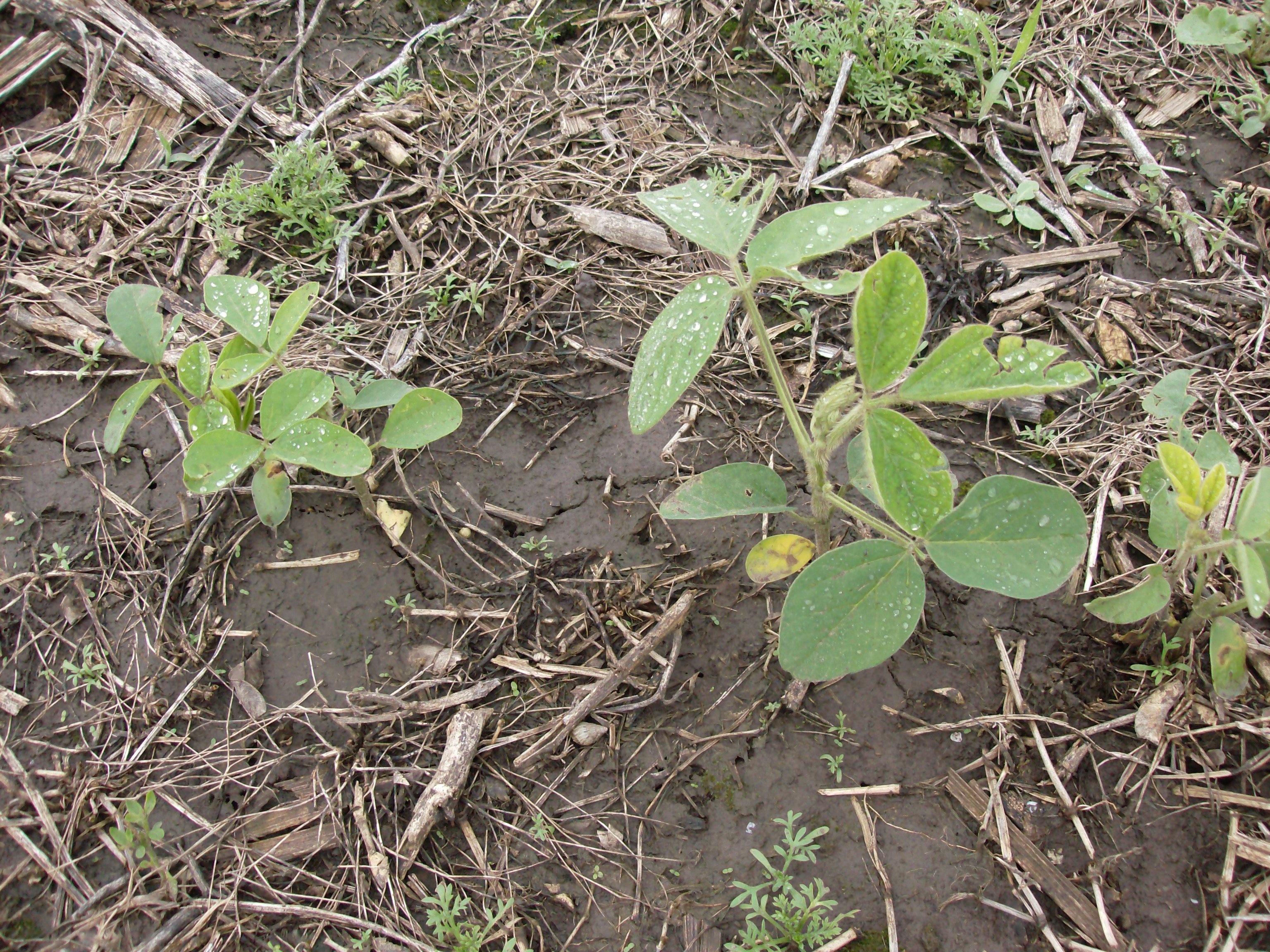
The soybean, soy bean, or soya bean is a species of legume native to East Asia, widely grown for its edible bean. Soy is a staple crop, the world's most grown legume, and an important animal feed.