A synthetic microbial community for soybean biofertilization designed via chlorophyll-based iterative selection.
Brignoli D, Colla D, Frickel-Critto E, Castells CB, Pérez-Giménez J
Soil Health
Soybeans grown with smarter microbial helpers could mean less synthetic fertilizer runoff reaching the streams and wetlands near farms you visit — cleaner water downstream, starting in the field.
Plants like soybeans can team up with soil bacteria to grab nitrogen straight from the air instead of needing chemical fertilizers. The problem is that the helpful microbes farmers add to seeds often struggle to compete once in the soil. This study designed a carefully chosen mix of microbes that work together as a community, making the whole process more reliable and effective.
Key Findings
A synthetic microbial community was assembled using a chlorophyll-based screening method to identify microbe combinations that genuinely boost plant performance
The designed microbial consortium improved biological nitrogen fixation in soybeans beyond what single-strain inoculants typically achieve
The iterative selection approach offers a reproducible framework for building crop-specific microbial teams, potentially applicable beyond soybeans
chevron_right Technical Summary
Researchers built a team of beneficial microbes specifically designed to help soybean plants pull nitrogen from the air more efficiently, potentially reducing the need for synthetic fertilizers.
Abstract Preview
Improving the effectiveness of microbial inoculants for soybean is essential to enhance biological nitrogen fixation and reduce fertilizer dependence; however, inoculated
open_in_new Read full abstractAbstract copyright held by the original publisher.
Species Mentioned
Was this useful?
Want to tell us more? (optional)
Thanks for the note!
Something went wrong — please try again.
Too many submissions. Try again in an hour.
Targeted knockout of a host peroxisomal peptidase confers field resistance to...
The corn in your grocery store and the staple food keeping millions of East African families fed is under serious threat from a viral disease that can wipe o...
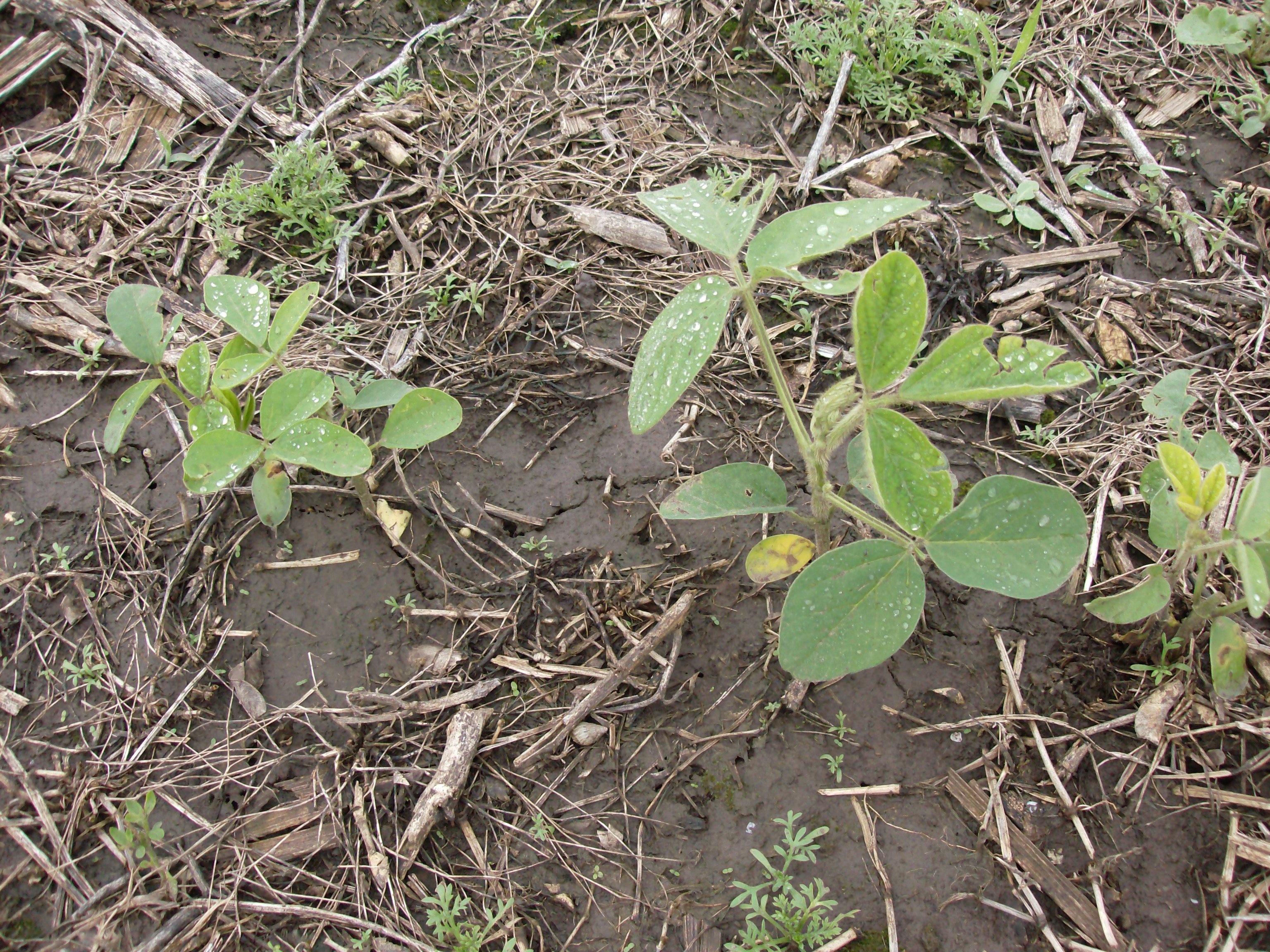
The soybean, soy bean, or soya bean is a species of legume native to East Asia, widely grown for its edible bean. Soy is a staple crop, the world's most grown legume, and an important animal feed.