Harnessing nature: a systematic exploration of <i>in vitro</i> antileishmanial and antihuman African trypanosomal properties in traditional medicinal plants and their active principles.
Ahmed QU, Mat Nasir NA, Begum T, Helal Uddin ABM, Parveen H, Albalawi MO, Ali Khan Khattak MM, Azmi SNH, Sarian MN, Kurniawati AD, Zakaria ZA.
Medicinal Plants
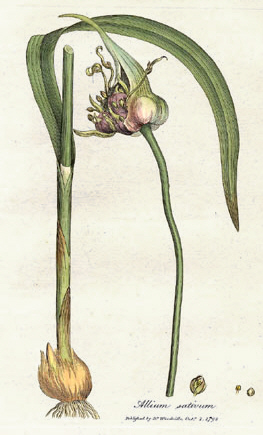
Garlic growing in your kitchen garden produces allicin and ajoene — the same compounds scientists just flagged as among the most promising leads for treating a parasitic disease that kills tens of thousands of people a year in tropical regions.
Researchers combed through 20 years of studies to find plants whose extracts can kill the tiny parasites responsible for two devastating tropical diseases — leishmaniasis and African sleeping sickness. They found over 200 plant species that worked well in lab tests, including common plants like garlic. Excitingly, many of these plants were already used in traditional medicine, which suggests centuries of folk knowledge was pointing scientists in the right direction.
Key Findings
217 plant species showed potent lab activity (IC₅₀ < 10 µg/mL) against Leishmania and/or Trypanosoma brucei across 50 eligible studies published 2003–2023.
67 species were active against both parasites, while 41 had documented traditional use specifically for leishmaniasis or sleeping sickness — validating ethnobotanical knowledge.
Standout candidates include garlic (allicin, ajoene), yarrow relative Achillea ptarmica (pellitorine), and Tridax procumbens (oxylipin), each with measurable antiparasitic compounds.
chevron_right Technical Summary
A systematic review of 50 studies found 217 medicinal plant species with strong lab-tested activity against the parasites that cause leishmaniasis and sleeping sickness, identifying standout candidates like garlic, yarrow relatives, and several traditional remedy plants as potential starting points for new antiparasitic drugs.
Abstract Preview
<h4>Context</h4>Current treatments for leishmaniasis and Human African Trypanosomiasis (HAT) are constrained by toxicity, high costs, and the growing threat of parasite resistance. In this context,...
open_in_new Read full abstractAbstract copyright held by the original publisher.
Species Mentioned



Was this useful?
Want to tell us more? (optional)
Thanks for the note!
Something went wrong — please try again.
Too many submissions. Try again in an hour.
Fifteen herbs from turmeric to lion's mane protect the aging brain
The saffron crocuses you plant in fall, the turmeric on a sunny windowsill, and the lemon balm spreading in your herb bed all contain compounds that clinical...

Achillea millefolium, commonly known as yarrow or common yarrow, is a flowering plant in the family Asteraceae. Growing to 1 metre tall, it is characterized by small whitish flowers, a tall stem of fernlike leaves, and a pungent odor.