Valorising cinnamon crop residue: Hydrochar production for sustainable agriculture and carbon emission mitigation.
Ranasinghe RADRA, Kavindi GAG, Liu W, Gao G, Tharanga KHGM
Soil Health
Cinnamon leaf scraps you'd compost can be converted into a long-lived soil amendment that locks carbon underground for over a century while feeding the next generation of seeds.
When cinnamon leaves are cooked in pressurized water at high temperatures, they transform into a crumbly material called hydrochar that can be mixed into garden soil. Unlike regular charcoal-based amendments, this water-processed version holds onto more nitrogen—a key plant nutrient—and has a slightly acidic pH that suits many garden plants. It also neutralizes the natural compounds in cinnamon that would otherwise slow seed sprouting, making it a practical way to recycle crop waste while building healthier soil.
Key Findings
Hydrochar yield ranged from 49–67% depending on temperature and time, far exceeding biochar yields below 30%, meaning more usable material from the same waste.
Hydrochar retained over 1.6% nitrogen compared to only 0.8% in biochar, making it a richer slow-release nutrient source for plants.
Hydrochar produced at 260°C for 60 min can store an estimated 442 kg CO₂ equivalent per tonne with a mean carbon residence time of 111 years.
chevron_right Technical Summary
Researchers turned cinnamon leaf waste into hydrochar—a charcoal-like soil amendment made with hot water instead of fire—and found it retains more nitrogen and has a lower pH than conventional biochar, while still suppressing plant toxins and boosting seed germination.
Abstract Preview
Thermal conversion of crop residue into soil amendment is a negative emission technology used in circular agriculture. However, limited research has explored the large amounts of crop residues, lik...
open_in_new Read full abstractAbstract copyright held by the original publisher.
Species Mentioned
Was this useful?
Want to tell us more? (optional)
Thanks for the note!
Something went wrong — please try again.
Too many submissions. Try again in an hour.
Targeted knockout of a host peroxisomal peptidase confers field resistance to...
The corn in your grocery store and the staple food keeping millions of East African families fed is under serious threat from a viral disease that can wipe o...
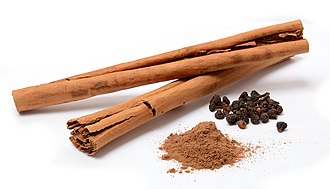
Cinnamon is a spice obtained from the inner bark of several tree species from the genus Cinnamomum. Cinnamon is used mainly as an aromatic condiment and flavouring additive in a wide variety of cuisines, in particular sweet and savoury dishes such as biscuits, breakfast cereals, snack foods, bage...