vanilla leaf (Achlys triphylla) observed in Selma, OR, US
iNaturalist: jwgreenwood
Citizen Science
Vanilla leaf carpets shaded forest floors in the Pacific Northwest and its presence signals a healthy, intact woodland understory — the kind of ecosystem that keeps local hiking trails cool and supports the native pollinators that visit your garden.
Someone spotted and photographed vanilla leaf — a low-growing forest plant named for its sweet vanilla scent when dried — in Selma, Oregon, and the sighting was confirmed as accurate by the iNaturalist community. This plant is a native wildflower that thrives under the shade of conifer forests in the Pacific Northwest. Tracking where it grows helps scientists and land managers understand which forest habitats are still healthy and undisturbed.
Key Findings
A research-grade (community-verified) observation of Achlys triphylla was recorded in Selma, OR, US
The sighting adds a georeferenced occurrence record to the publicly available iNaturalist biodiversity database
Vanilla leaf presence is an indicator of intact, shaded coniferous forest understory habitat in the region
chevron_right Technical Summary
A research-grade observation of vanilla leaf (Achlys triphylla) was recorded in Selma, Oregon, contributing a verified data point to community-driven biodiversity mapping of this Pacific Northwest native understory plant.
Abstract Preview
Research-grade observation of vanilla leaf in Selma, OR, US.
open_in_new Read full abstractAbstract copyright held by the original publisher.
Species Mentioned
Was this useful?
Want to tell us more? (optional)
Thanks for the note!
Something went wrong — please try again.
Too many submissions. Try again in an hour.
Warming killed underground fungi and pushed meadows toward shrublands
Mountain meadows and wildflower-rich grasslands many people hike through and depend on for clean water and biodiversity are quietly transforming underground ...
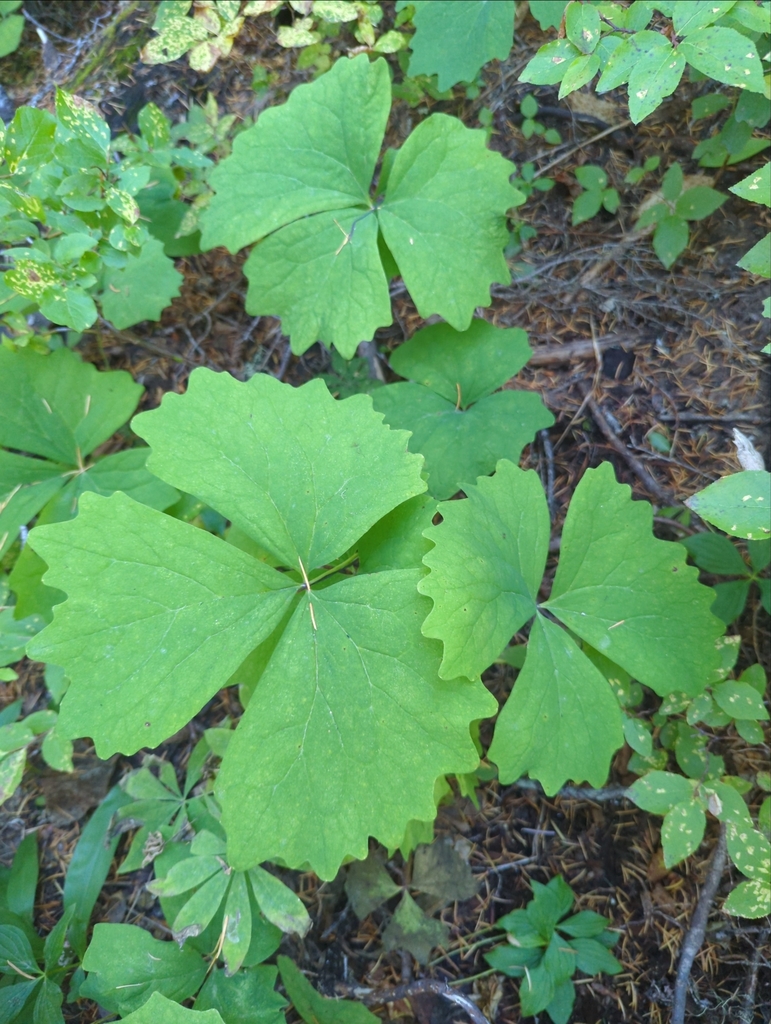
Photo (c) Alan Rockefeller, taken in Oregon, United States. CC BY via iNaturalist.
Phenology is the study of recurring biological events in plant life cycles—such as flowering, fruiting, and germination—and how these events are timed in response to seasonal and climatic conditions. This research is essential to plant science because phenological patterns directly influence
arrow_forward Explore topic