Genome editing generates high oleic soybean and eliminates beany flavors.
Xie H, Geng L, Hu Z, Chen F, Tan M
Crispr
Soy-based foods like tofu, edamame, and soy milk could soon taste noticeably better and deliver healthier fats without any loss in crop performance, meaning farmers and consumers both win from this one breakthrough.
Researchers used a precise gene-editing tool — like molecular scissors — to snip and modify five specific genes in soybean plants. Two of those changes boosted oleic acid, the same heart-healthy fat found in olive oil, while the other three silenced the enzymes responsible for the 'beany' smell and taste that many people dislike. Crucially, the upgraded soybeans grew just as well as ordinary soybeans when planted in real farm fields.
Key Findings
Editing two fatty acid desaturase genes (GmFAD2-1A and GmFAD2-1B) produced soybeans with very high oleic acid levels, improving the oil's nutritional and oxidative stability profile.
Simultaneous knockout of three lipoxygenase genes (GmLOX1, GmLOX2, GmLOX3) eliminated grassy and beany off-flavors caused by oxidation of polyunsaturated fatty acids in the seeds.
Plants carrying all five gene edits showed no measurable growth or yield penalties compared to the elite parent cultivar Xudou 18 in field trials.
chevron_right Technical Summary
Scientists used CRISPR gene editing to create soybean varieties with significantly higher levels of heart-healthy oleic acid while simultaneously eliminating the grassy, beany off-flavors that deter many consumers from soy products — and the edited plants grew just as well as conventional soybeans in the field.
Abstract Preview
Soybeans serve as excellent sources of vegetable oil, protein, and other valuable nutrients for human consumption, materials for diverse industries, including the cosmetics and medical industries, ...
open_in_new Read full abstractAbstract copyright held by the original publisher.
Species Mentioned
Was this useful?
Want to tell us more? (optional)
Thanks for the note!
Something went wrong — please try again.
Too many submissions. Try again in an hour.
Targeted knockout of a host peroxisomal peptidase confers field resistance to...
The corn in your grocery store and the staple food keeping millions of East African families fed is under serious threat from a viral disease that can wipe o...
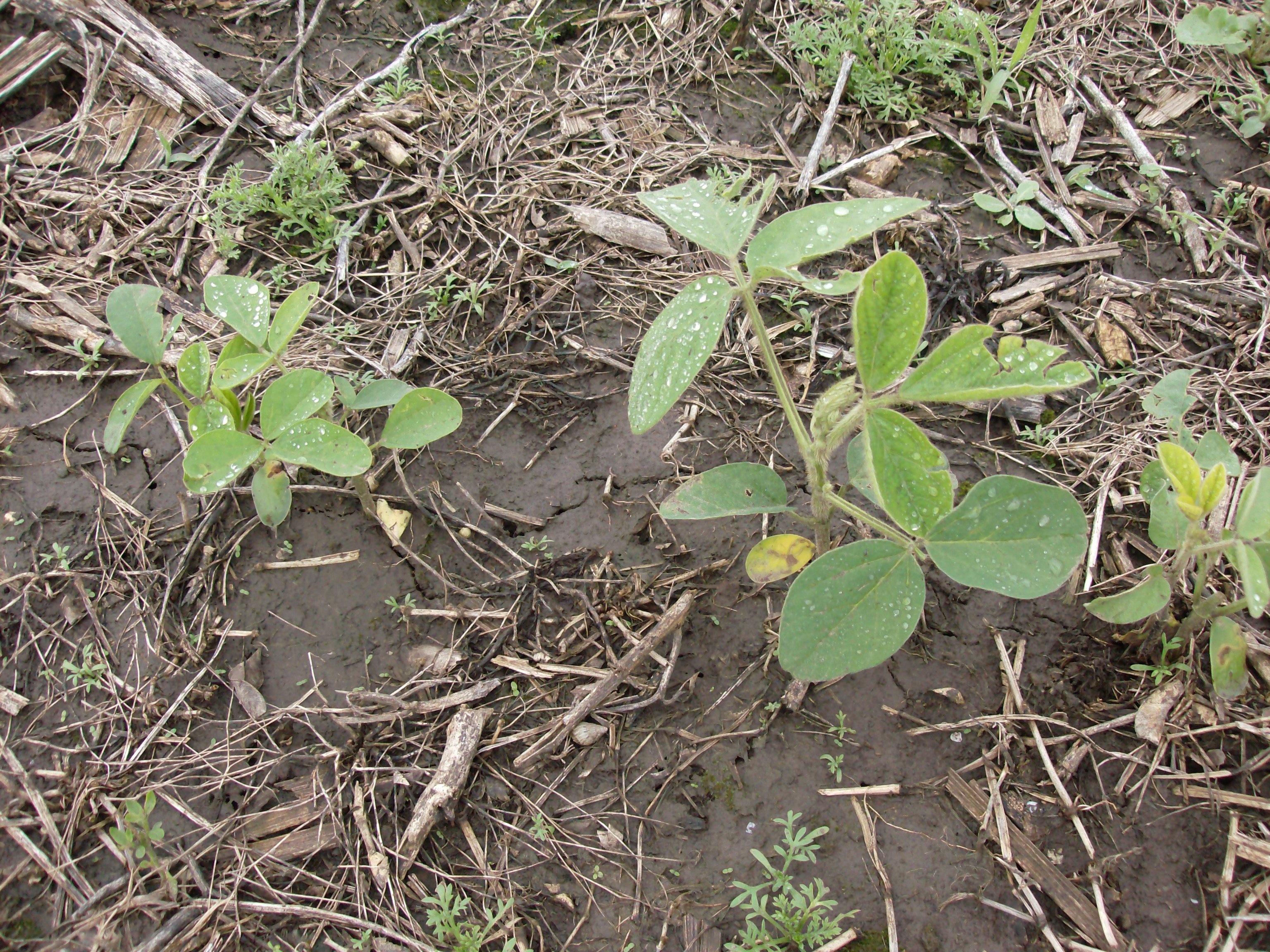
The soybean, soy bean, or soya bean is a species of legume native to East Asia, widely grown for its edible bean. Soy is a staple crop, the world's most grown legume, and an important animal feed.