Pathogenicity and Pre-Characterised Putative Effectors of <i>Fusarium oxysporum</i> and <i>F. proliferatum</i> in Garlic (<i>Allium sativum</i>) and Other <i>Allium</i> spp.
Harper JR, Achari S, Li T, Gambley C, Harper S, Galea V.
Crop Improvement
Garlic bulbs rotting in storage or collapsing as seedlings can wipe out an entire season's harvest, and understanding exactly which fungal strains are responsible — and why some attack onions but spare garlic — is the first step toward varieties that can fight back.
Researchers tested several strains of two rot-causing fungi on garlic, onion, and shallot and found that the fungi behave very differently depending on where they originally came from. Fungi collected from onions were aggressive on all three plants, while those from garlic mostly stayed dangerous to garlic. The fungi also carry different molecular 'keys' that help them infect plants, hinting that each group is quietly evolving to specialize on its preferred host.
Key Findings
Fusarium oxysporum isolates from onion caused severe disease in all three Allium species tested, while isolates from garlic caused only mild symptoms in onion and shallot.
The most virulent garlic isolate (Fo_VPRI44630) carried five putative effector genes: SIX9, SIX13, C5, CRX1, and CRX2, while onion-origin isolates carried up to ten including SIX3, SIX5, SIX7, SIX10, SIX12, and SIX14.
Differences in virulence and effector profiles between garlic- and onion-origin F. oxysporum suggest host-associated differentiation, supporting the case for formally designating them as separate formae speciales or races.
chevron_right Technical Summary
Two Fusarium fungi that rot garlic and onion crops carry different sets of infection proteins depending on which host plant they came from, suggesting they are specializing into distinct strains — a finding that could reshape how growers breed disease-resistant Allium crops.
Abstract Preview
<i>Allium</i> spp. (alliums) are susceptible to rot-diseases caused by pathogenic <i>Fusarium</i> spp., including <i>F. proliferatum</i> (FP) and <i>F. oxysporum</i> (FO), which can cause severe cr...
open_in_new Read full abstractAbstract copyright held by the original publisher.


Was this useful?
Want to tell us more? (optional)
Thanks for the note!
Something went wrong — please try again.
Too many submissions. Try again in an hour.
Targeted knockout of a host peroxisomal peptidase confers field resistance to...
The corn in your grocery store and the staple food keeping millions of East African families fed is under serious threat from a viral disease that can wipe o...
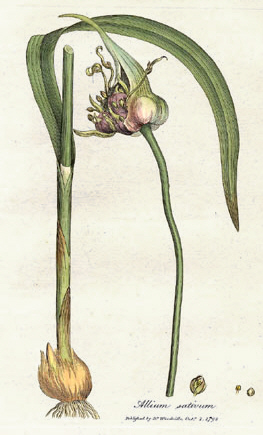
Garlic is a species of bulbous flowering plants in the genus Allium. Its close relatives include the onion, shallot, leek, chives, Welsh onion, and Chinese onion. Garlic is native to central and western Asia, stretching from the Black Sea through the southern Caucasus, northeastern Iran, and the ...