CRISPR/Cas9-Mediated Editing in FAD2 Gene to Enhance Oil Quality in Soybean [Glycine max (L.) Merrill].
Rathod BU, Rajyaguru R, Dhawale RN, Tomar RS, Sharma S
Crispr
Cooking oil in your pantry likely came from soybeans that require industrial processing to stay shelf-stable — a process that creates trans fats linked to heart disease — and this breakthrough could make soybean oil naturally stable and healthier without that step.
Soybean oil normally goes rancid quickly and has to be chemically treated to last on store shelves, but that treatment creates unhealthy trans fats. Researchers used a precise gene-editing tool — think of it as molecular scissors — to switch off one gene in soybeans, causing the plant to naturally produce much more of the healthy fat found in olive oil. The edited soybeans made oil that was nearly twice as rich in this healthy fat and left no foreign DNA behind, meaning the plants are essentially indistinguishable from naturally occurring varieties.
Key Findings
Oleic acid content increased from 22% in wild-type soybeans to 42–45% in edited lines — roughly a twofold improvement.
Linoleic acid (the fat that causes instability and requires hydrogenation) dropped from 54% to 30–32% in the edited plants.
Editing efficiency was 13.63%, and all successfully edited plants were confirmed transgene-free (no foreign Cas9 DNA remained).
chevron_right Technical Summary
Scientists used CRISPR gene editing to modify soybeans so they produce healthier oil with nearly twice the oleic acid (the 'good fat' in olive oil) and half the linoleic acid, eliminating the need for hydrogenation that creates harmful trans fats.
Abstract Preview
Conventional soybean oil contains high levels of linoleic acid, which reduces oxidative stability and necessitates hydrogenation, leading to trans-fat formation. In this study, 40 Indian soybean ge...
open_in_new Read full abstractAbstract copyright held by the original publisher.
Species Mentioned
Was this useful?
Want to tell us more? (optional)
Thanks for the note!
Something went wrong — please try again.
Too many submissions. Try again in an hour.
Targeted knockout of a host peroxisomal peptidase confers field resistance to...
The corn in your grocery store and the staple food keeping millions of East African families fed is under serious threat from a viral disease that can wipe o...
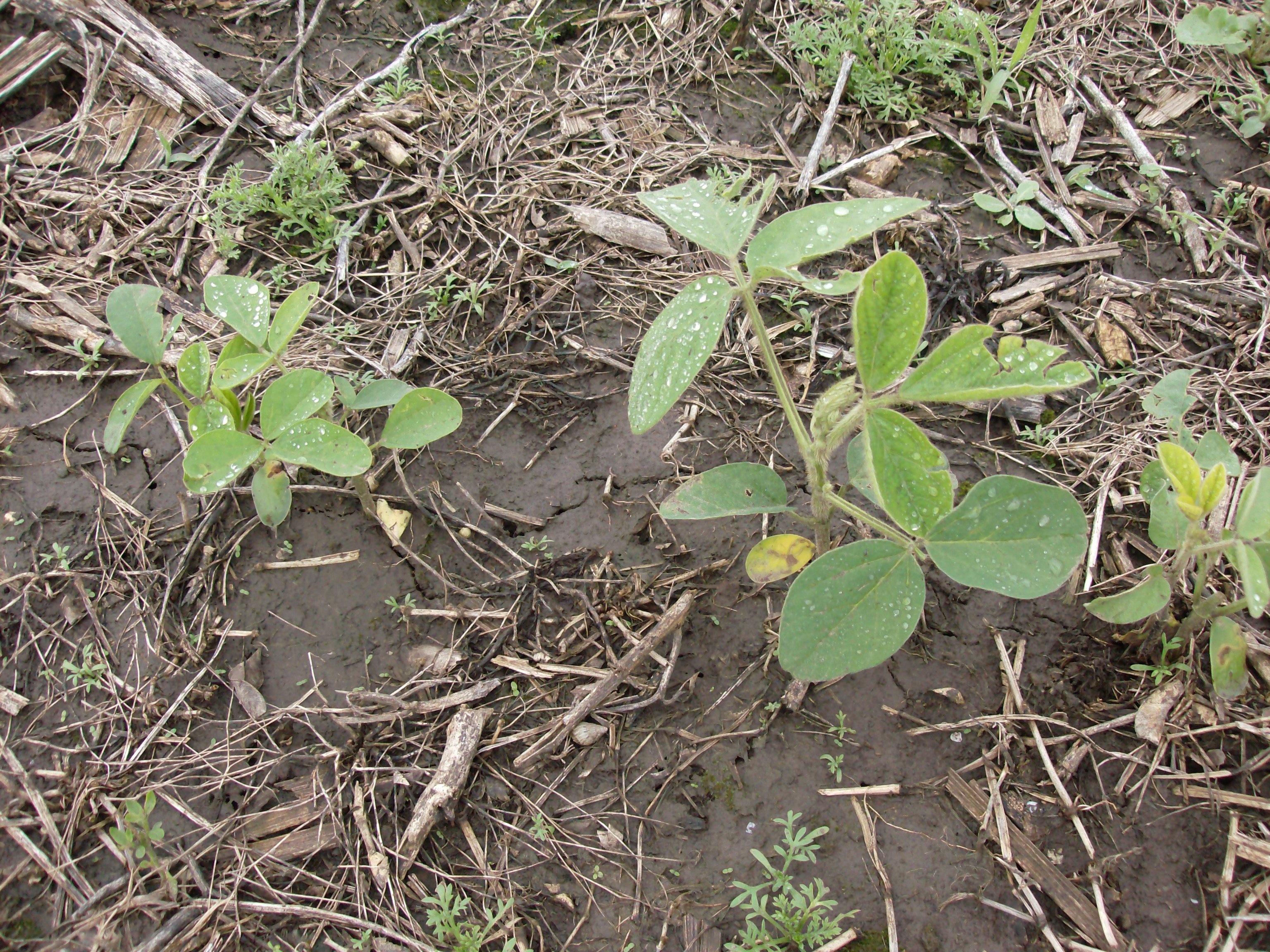
The soybean, soy bean, or soya bean is a species of legume native to East Asia, widely grown for its edible bean. Soy is a staple crop, the world's most grown legume, and an important animal feed.