GmMYB84, a transcription factor, confers cadmium tolerance in soybean via regulation of the phenylpropanoid pathway.
Gong Z, Zhao J, Xu J, Zhai Z, Zong Y
Phytoremediation
Cadmium — a toxic heavy metal from industrial pollution and some phosphate fertilizers — silently accumulates in farmland soil and can end up in the soybeans used in tofu, edamame, and animal feed; engineering crops that tolerate or exclude cadmium is a direct step toward safer food on your plate.
Researchers found a gene in soybeans that works like a control switch, turning on the plant's defenses when it encounters cadmium, a poisonous metal that builds up in contaminated soil. With the switch on, plants grew better, stayed greener, and produced more natural protective compounds. When scientists deleted the gene using a precise editing tool, the plants struggled and showed clear signs of toxic stress — proving the gene is truly essential for survival in polluted conditions.
Key Findings
Soybean plants engineered to overexpress GmMYB84 showed measurably better germination, longer roots, higher chlorophyll content, and elevated flavonoid levels under cadmium stress compared to unmodified plants.
CRISPR/Cas9 knockout of GmMYB84 in soybean caused severe growth inhibition and significantly elevated oxidative damage markers (hydrogen peroxide and malondialdehyde) under cadmium exposure.
GmMYB84 confers cadmium tolerance by activating the phenylpropanoid pathway, with two specific downstream target genes identified — one involved in lignin production and one in chitinase-based defense responses.
chevron_right Technical Summary
Scientists identified a gene in soybean — GmMYB84 — that acts as a master switch helping the plant survive cadmium-contaminated soil by activating protective chemical pathways and reducing toxic oxidative damage. Using gene editing, they confirmed this gene is essential for cadmium tolerance, pointing toward a concrete breeding target for safer, more resilient soybean crops.
Abstract Preview
GmMYB84, an R2R3-MYB transcription factor, plays a vital role in regulating plant responses to abiotic stress. To elucidate how GmMYB84 mediates Cd tolerance, we performed functional analyses using...
open_in_new Read full abstractAbstract copyright held by the original publisher.
Species Mentioned

Was this useful?
Want to tell us more? (optional)
Thanks for the note!
Something went wrong — please try again.
Too many submissions. Try again in an hour.
Targeted knockout of a host peroxisomal peptidase confers field resistance to...
The corn in your grocery store and the staple food keeping millions of East African families fed is under serious threat from a viral disease that can wipe o...
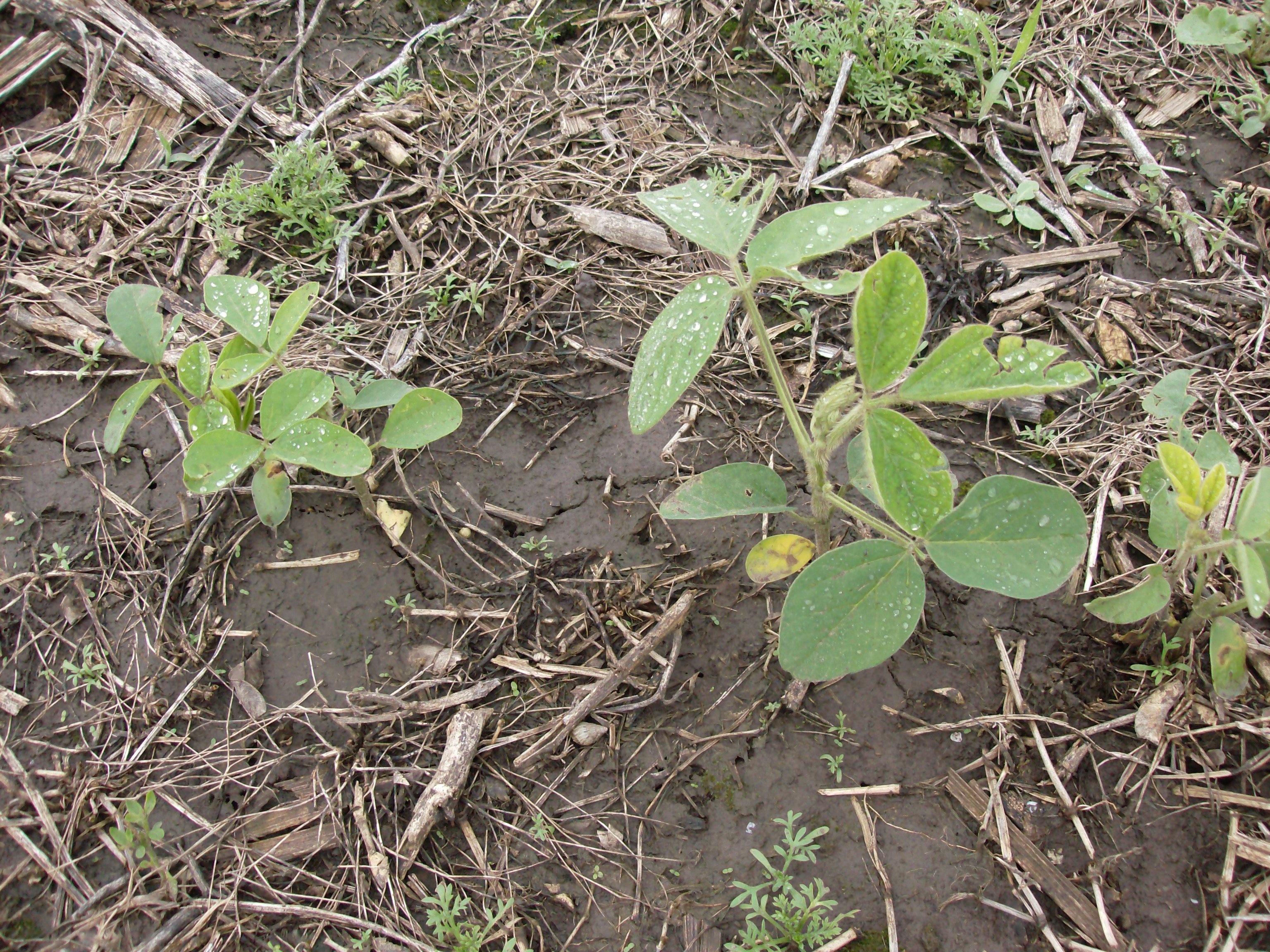
The soybean, soy bean, or soya bean is a species of legume native to East Asia, widely grown for its edible bean. Soy is a staple crop, the world's most grown legume, and an important animal feed.