Plant science for plant people.
We read the research papers so you don't have to. 6130 discoveries from PubMed, iNaturalist, bioRxiv, and more, curated for curious gardeners.
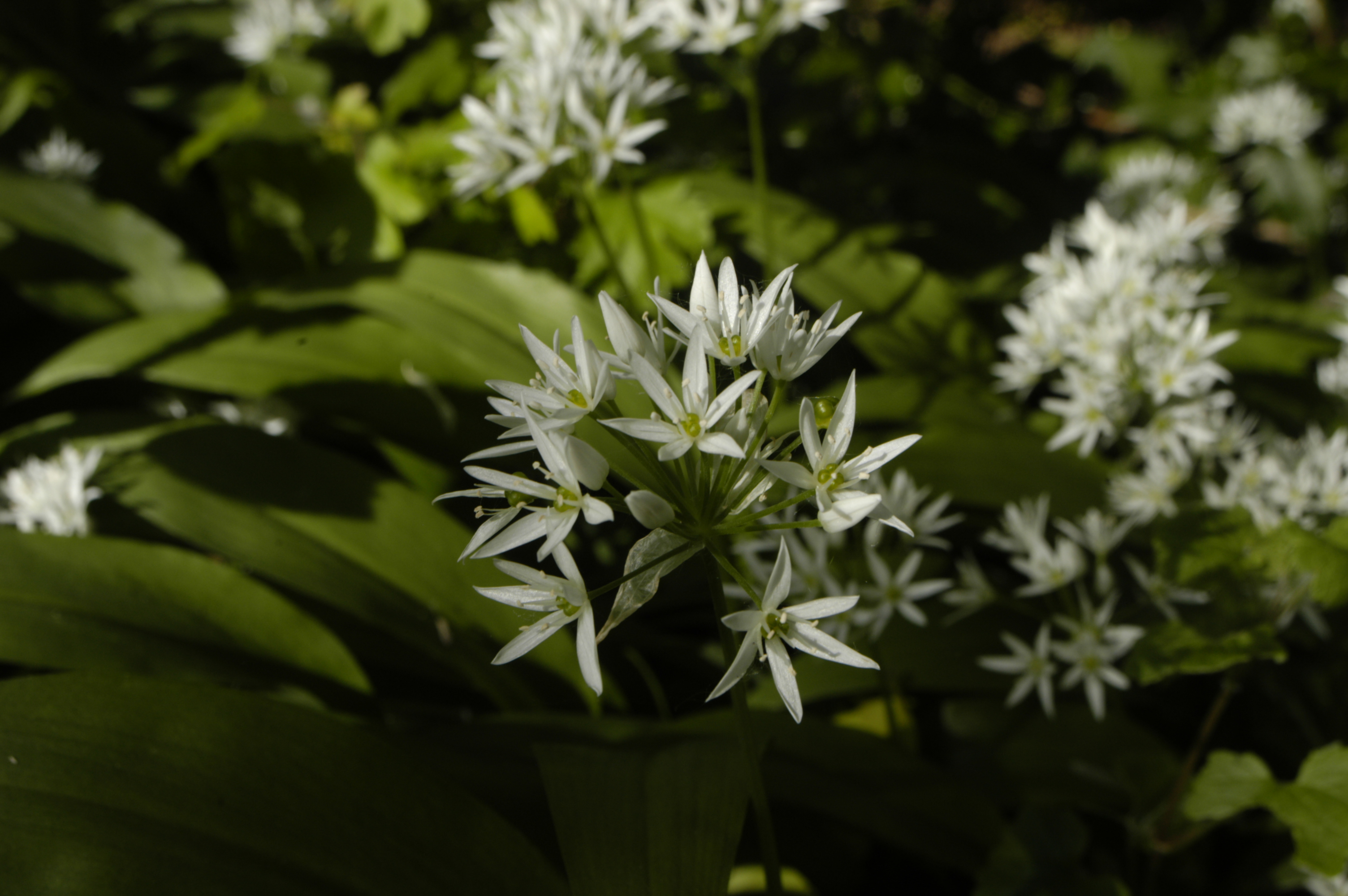
Wild garlic leaf extract calms gut inflammation in lab tests
Wild garlic, the ramsons that carpets shady spring woodland, calmed inflamed gut tissue in the lab when its leaves were steeped in half water, half alcohol.
Researchers made leaf extracts several ways and tested them on isolated mouse colon exposed to a bacterial toxin. Every version was dominated by sulfur compounds, mainly methiin and alliin, the chemistry behind that garlicky smell. The half-alcohol extract pulled out the most polyphenols, the plant's antioxidants, and it dialed back three inflammation genes. Water extracts ran heavier on sugars and amino acids instead. Nobody has tried this in a living animal or a person yet, so for now it's a lead that backs up an old European habit of eating ramsons for stomach health.
Ramsons is exactly the kind of local food plant the rest of the world is losing track of. A review this week finds farms and dinner plates narrowing onto a few big crops over the past century, with local varieties and the know-how for using them fading fast. Genebanks store seed and botanic gardens grow living plants, and for years they've worked apart. They've now teamed up as the Global Conservation Consortium for Food Plants to keep that diversity growing and in use.
The lab has caught up with what foragers knew for generations. A patch of ramsons under your trees keeps the plant going and the reason people picked it.
nutrition
If you grow food
How science is making crops tougher, tastier, and easier to grow.
chevron_right
If you grow food
How science is making crops tougher, tastier, and easier to grow.
landscape
If you're curious about soil
The living network of fungi, bacteria, and chemical conversations beneath your feet.
chevron_right
If you're curious about soil
The living network of fungi, bacteria, and chemical conversations beneath your feet.
sensors
How plants talk
Chemical signals, stress responses, and the hidden language of plant communication.
chevron_right
How plants talk
Chemical signals, stress responses, and the hidden language of plant communication.
thermostat
Living with a changing climate
How plants adapt, migrate, and respond as seasons shift and extremes intensify.
chevron_right
Living with a changing climate
How plants adapt, migrate, and respond as seasons shift and extremes intensify.
More This Week
Farms and diets worldwide are narrowing to fewer crops, and local v...
The heirloom bean or regional squash you save seed from in your own garden is part of a living library of local varie...

Invasive buckthorn sightings jump 50% across Canada as autumn arrives
The shrub with dark berries and leaves that stay green after your maple and ash have turned is probably buckthorn, an...

Wood-rotting fungus turns forest waste into compost that grows bigg...
The leaf litter, branches, and wood chips piled up after pruning can become a compost that feeds your soil and recrui...

Small doses of wood biochar help vegetables take up more minerals
If you mix charcoal-like biochar into your vegetable beds, a light dose of alkaline wood biochar is more likely to he...

Too much compost hurts: 15% is the sweet spot for sour soil
If you garden in acidic clay, piling on more compost past a certain point can leave your soil salty and your seedling...

Compost-borne nanoplastics pile up in grass roots, with little reac...
If you spread compost on your beds every spring, the plastic fragments hiding in it can build up in the soil and end ...

DNA tests and water baiting best catch nursery plant pathogens befo...
The native toyon and coffeeberry you buy for a habitat garden or restoration planting could carry root-rotting pathog...
Computer-predicted scents keep foraging honey bees away from treated crops
Honey bees visiting your flowering vegetables, orchard trees, and herb beds could someday be steered away from freshl...