Plant science for plant people.
We read the research papers so you don't have to. 6130 discoveries from PubMed, iNaturalist, bioRxiv, and more, curated for curious gardeners.
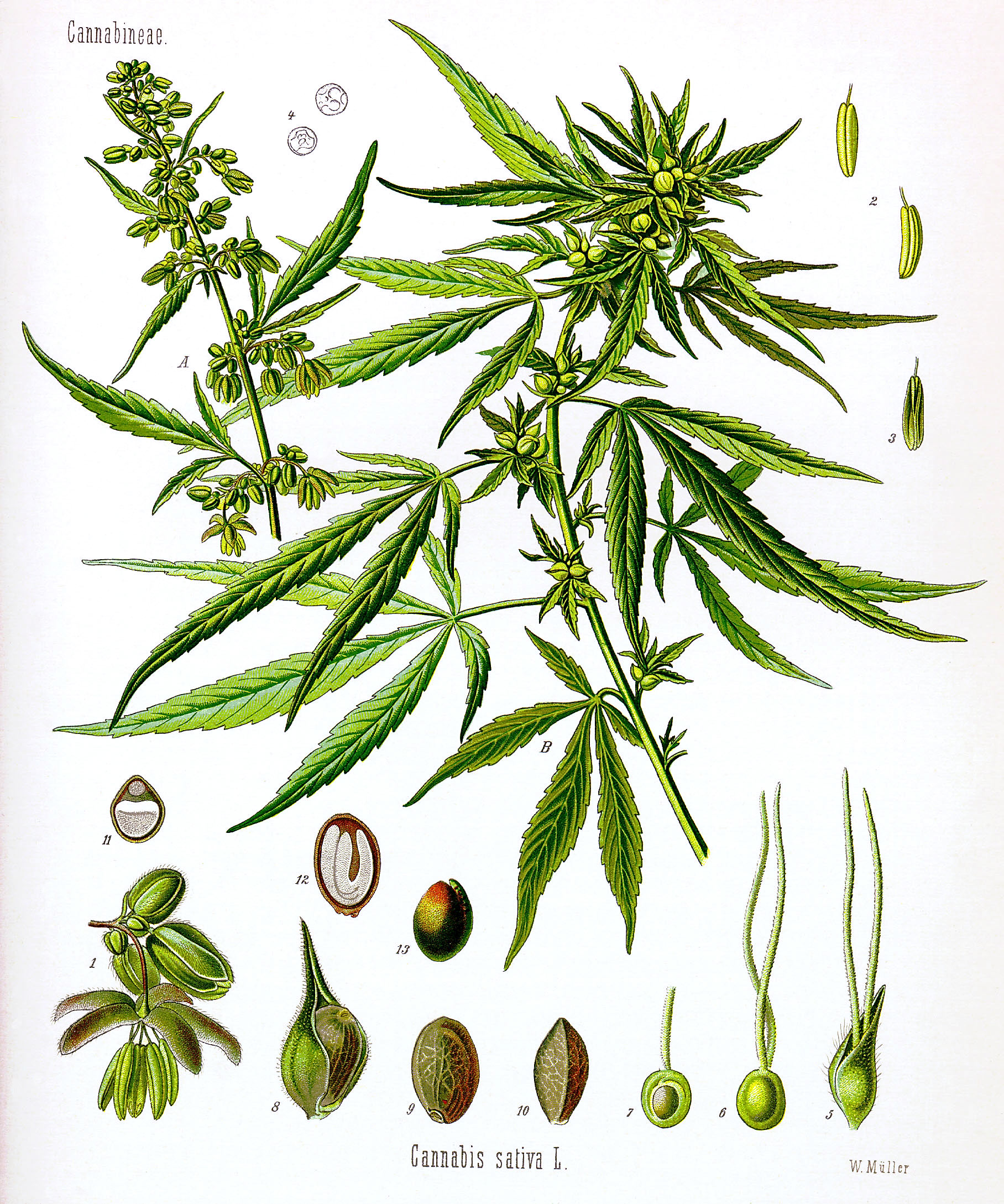
UVB light boosts cannabis flower flavonoids without altering cannabinoid levels
A reader asked us to cover cannabis this week, and the research lands somewhere any grower can use. The light you grow a plant under shapes the chemistry it produces, and in medicinal cannabis, shifting the spectrum toward shorter wavelengths measurably changes the flavonoid and cannabinoid profile the plant builds. Same plant, same soil, a different harvest. Cannabis sativa is really one species doing several jobs, valued for medicine, for hemp fiber, and for recreation, and what you draw out of it depends less on rewriting its genes than on the conditions you give it.
That idea carries through the week. Food-grade kaolin clay, the white dust orchardists have leaned on for years, turns out to deter egg-laying pests and buffer leaves against heat at the same time, a physical defense that leaves no spray residue. For depleted beds, finely ground rock dust releases the slow mineral feed that volcanic soils provide for free, rebuilding fertility without reaching for synthetic fertilizer.
None of it is high-tech. The strongest levers this week are the light you choose and what you feed the soil, each working with the plant instead of around it.
nutrition
If you grow food
How science is making crops tougher, tastier, and easier to grow.
chevron_right
If you grow food
How science is making crops tougher, tastier, and easier to grow.
landscape
If you're curious about soil
The living network of fungi, bacteria, and chemical conversations beneath your feet.
chevron_right
If you're curious about soil
The living network of fungi, bacteria, and chemical conversations beneath your feet.
sensors
How plants talk
Chemical signals, stress responses, and the hidden language of plant communication.
chevron_right
How plants talk
Chemical signals, stress responses, and the hidden language of plant communication.
thermostat
Living with a changing climate
How plants adapt, migrate, and respond as seasons shift and extremes intensify.
chevron_right
Living with a changing climate
How plants adapt, migrate, and respond as seasons shift and extremes intensify.
More This Week
Arctic plants are blooming closer together, squeezing wildlife food...
The staggered bloom schedule that feeds Arctic insects, nesting shorebirds, and grazing caribou across a whole summer...

Cellulose sponge mixed into desert soil keeps plants alive days longer
Gardeners in dry climates spend enormous effort keeping soil from cracking between waterings; this material, mixed in...
Invasive weeds make surprisingly good compost if handled carefully
Those clumps of Japanese knotweed or garlic mustard taking over the trail edge could be feeding your vegetable bed in...

The potassium fertilizer blend you choose reshapes lettuce nutritio...
The potassium fertilizer you pick for your lettuce bed does more than feed the plant: it quietly reshapes the whole c...

Beech trees keep seeding through Europe's worst recorded droughts
Beech forests across Europe are still raining down nuts even through brutal droughts, which means the woodlands you w...
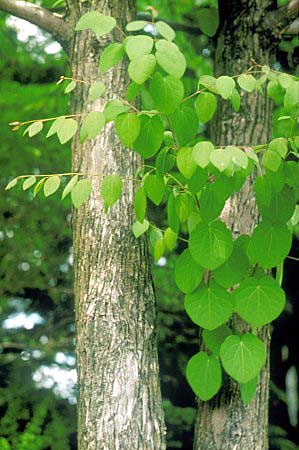
Warming springs push female katsura trees to sync with males
The katsura tree lining your local botanical garden or arboretum blooms in a narrow window each spring, and whether m...
Crushed rock blends rebuilt degraded tropical soil within eighteen months
That bag of rock dust at your local nursery works by the same logic as this study: grinding up volcanic or sedimentar...
Queen bees transfer pesticide buildup into eggs when workers are ov...
Every tomato, apple, and squash in your garden depends on bees that are quietly absorbing pesticides even at low dose...