Plant science for plant people.
We read the research papers so you don't have to. 6130 discoveries from PubMed, iNaturalist, bioRxiv, and more, curated for curious gardeners.

Trending: common milkweed (Asclepias syriaca) — 2095 observations this week
A confession before the science: this issue is a day late. I spent the weekend in a weedy field of my own with my hands in the dirt, and I forgot to come back and hit send. There's something fitting about that, given the week is mostly about milkweed and the 2,095 people who stopped to photograph it. Thanks for waiting. Here's the week.
Two thousand people photographed the same plant this week. Common milkweed is in peak bloom, and the flood of observations is building a real-time map of where monarchs can feed, because milkweed is the only plant their caterpillars will eat.
That's 2,095 sightings in seven days, with butterfly milkweed adding another 1,100. Together they trace where monarchs travel, one sighting at a time. If you've planted milkweed along a fence line or let it volunteer in a sunny corner, your patch is on the map.
Milkweed keeps the door open for monarchs, but for other pollinators, doors are closing. Drought-stressed cucumber plants attract more bees by producing extra flowers, yet still fail to set fruit; the plant is too exhausted to follow through. In sprayed apple orchards, the few remaining bees crowd onto whatever blooms during peak toxicity, a trap that quietly eliminates specialist visitors. The unsprayed cemeteries next door still hum with diversity.
Sometimes the most useful thing you can do is let a weed bloom and take a picture of it.
nutrition
If you grow food
How science is making crops tougher, tastier, and easier to grow.
chevron_right
If you grow food
How science is making crops tougher, tastier, and easier to grow.
landscape
If you're curious about soil
The living network of fungi, bacteria, and chemical conversations beneath your feet.
chevron_right
If you're curious about soil
The living network of fungi, bacteria, and chemical conversations beneath your feet.
sensors
How plants talk
Chemical signals, stress responses, and the hidden language of plant communication.
chevron_right
How plants talk
Chemical signals, stress responses, and the hidden language of plant communication.
thermostat
Living with a changing climate
How plants adapt, migrate, and respond as seasons shift and extremes intensify.
chevron_right
Living with a changing climate
How plants adapt, migrate, and respond as seasons shift and extremes intensify.
More This Week

Trending: common milkweed (Asclepias syriaca) — 2095 observations this week
Milkweed growing along your fence line or in a sunny corner of your yard is the only plant monarch butterflies will l...
Native shrubs senesce earlier and faster than non-native shrubs in ...
Invasive shrubs lining your local woodland trail are quietly stealing autumn sunlight from native wildflowers and tre...
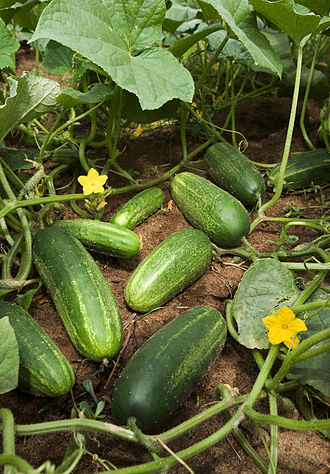
More flowers, more pollinators, less fruit: drought increases insec...
Your cucumber vines buzzing with bees during a dry summer aren't thriving — they're stressed, pumping out male flower...

Pesticide-induced ecological traps and insect pollinator foraging n...
Every bee that disappears from a sprayed orchard is one fewer visitor to the wildflowers and vegetables in your garde...

Effects of light intensity on the Panax quinquefolius L. growth and...
If you've ever dreamed of growing valuable medicinal ginseng beneath your backyard trees, this study pinpoints the ex...
The Growing Challenge of Varroa destructor Resistance to Acaricides...
Every third bite of food in your garden — squash, cucumbers, berries, apples — depends on bees that are losing their ...

Temporal dynamics of rhizosphere microbiome assembly and carbon-pho...
If you're planting a food forest or hedgerow, the herbs and perennials you tuck between your trees aren't just fillin...
Fungal highways to water: Mechanisms of drought tolerance in arbusc...
Every tree in your yard is almost certainly plugged into a fungal web right now, and that web is what keeps it alive ...