Plant science for plant people.
We read the research papers so you don't have to. 6130 discoveries from PubMed, iNaturalist, bioRxiv, and more, curated for curious gardeners.
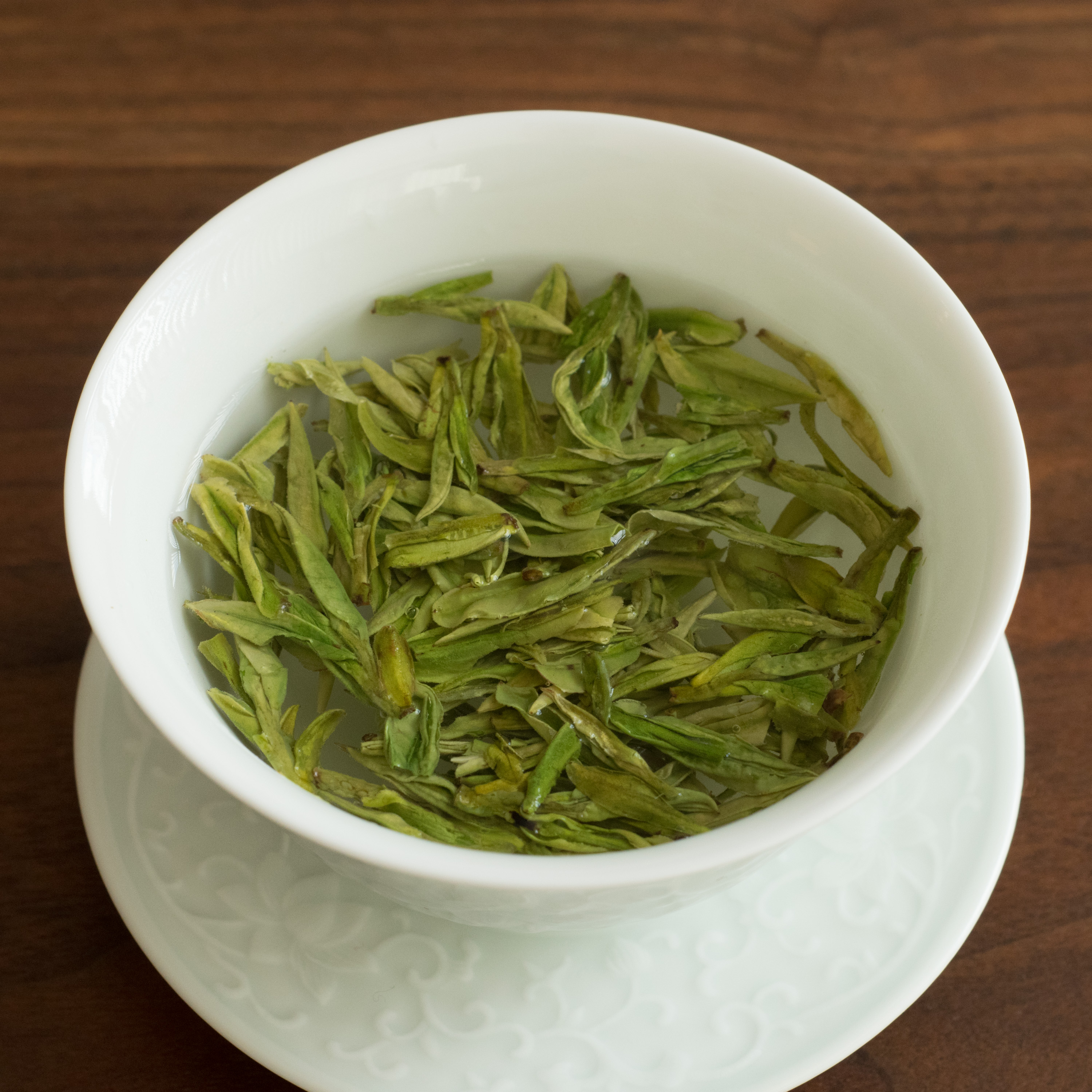
Genome-wide analysis of the CsGIF gene family and functional identification of CsGIF1 and CsGIF5 in leaf development of tea plant (Camellia sinensis L.).
The difference between a brisk black tea and a grassy green one starts long before the kettle — it starts with the shape of a leaf. New genome-wide work in the tea plant (Camellia sinensis) pinpointed a family of genes that dial leaf shape up or down, and that turns out to be anything but cosmetic: narrow, elongated leaves roll differently as they are processed and oxidize at their own pace, steering the character of the cup. Breeders now have a precise handle on a trait people have only ever judged by taste.
That is the week's quiet theme — plants as chemists, and us finally learning to read their recipes. A sweeping review of neem (Azadirachta indica), the living pharmacy planted in tropical gardens worldwide, laid out the clearest accounting yet of which traditional uses of its leaves and seeds modern science actually backs. Milk thistle, the weed at the edge of many gardens, turns out to make one of the most clinically studied liver-protective compounds on Earth. And fenugreek's signature compound was just brewed from scratch in engineered E. coli — a hint that some of these plant recipes may soon be copied without the plant at all.
It is a reminder that a garden is not just scenery; it is a working laboratory that has been running for millennia. The plants have always known how to make this stuff. We are only now learning to ask them how.
nutrition
If you grow food
How science is making crops tougher, tastier, and easier to grow.
chevron_right
If you grow food
How science is making crops tougher, tastier, and easier to grow.
landscape
If you're curious about soil
The living network of fungi, bacteria, and chemical conversations beneath your feet.
chevron_right
If you're curious about soil
The living network of fungi, bacteria, and chemical conversations beneath your feet.
sensors
How plants talk
Chemical signals, stress responses, and the hidden language of plant communication.
chevron_right
How plants talk
Chemical signals, stress responses, and the hidden language of plant communication.
thermostat
Living with a changing climate
How plants adapt, migrate, and respond as seasons shift and extremes intensify.
chevron_right
Living with a changing climate
How plants adapt, migrate, and respond as seasons shift and extremes intensify.
More This Week
Long-term nutrient management shapes soil microbial and metabolic s...
The compost you turn in your backyard bin is assembling a microbial workforce that no synthetic fertilizer program — ...

Comparative cytogenotoxicity and physiological stress endpoints of ...
When you swap a conventional fungicide in your sprayer for a Trichoderma-based biopesticide, you're not just making a...
Herbaria unlock tripartite pollination responses to anthropogenic change.
The wild bees visiting your garden flowers are also delivering yeasts and bacteria that alter the nectar's chemistry ...

Trending: pink lady's slipper (Cypripedium acaule) — 370 observatio...
If you walk any eastern woodland trail this month, you have a real chance of spotting one of North America's most spe...

Trending: butterfly milkweed (Asclepias tuberosa) — 996 observation...
Butterfly milkweed blooming in your yard right now is one of the few native flowers that can single-handedly support ...

Trending: common milkweed (Asclepias syriaca) — 1668 observations this week
Common milkweed blooming in your yard or along a nearby roadside right now is the single most important thing you can...

Biochar and melatonin alleviate microplastic-cadmium (MP-Cd) stress...
Rice grown in soils laced with microplastics and industrial cadmium can carry both into your body — and this study sh...

Valorization of agro-industrial and forestry biomass ashes as soil ...
Wood ash from your fireplace or backyard fire pit is the same material studied here — and the feedstock you burned (w...