Plant science for plant people.
We read the research papers so you don't have to. 6130 discoveries from PubMed, iNaturalist, bioRxiv, and more, curated for curious gardeners.
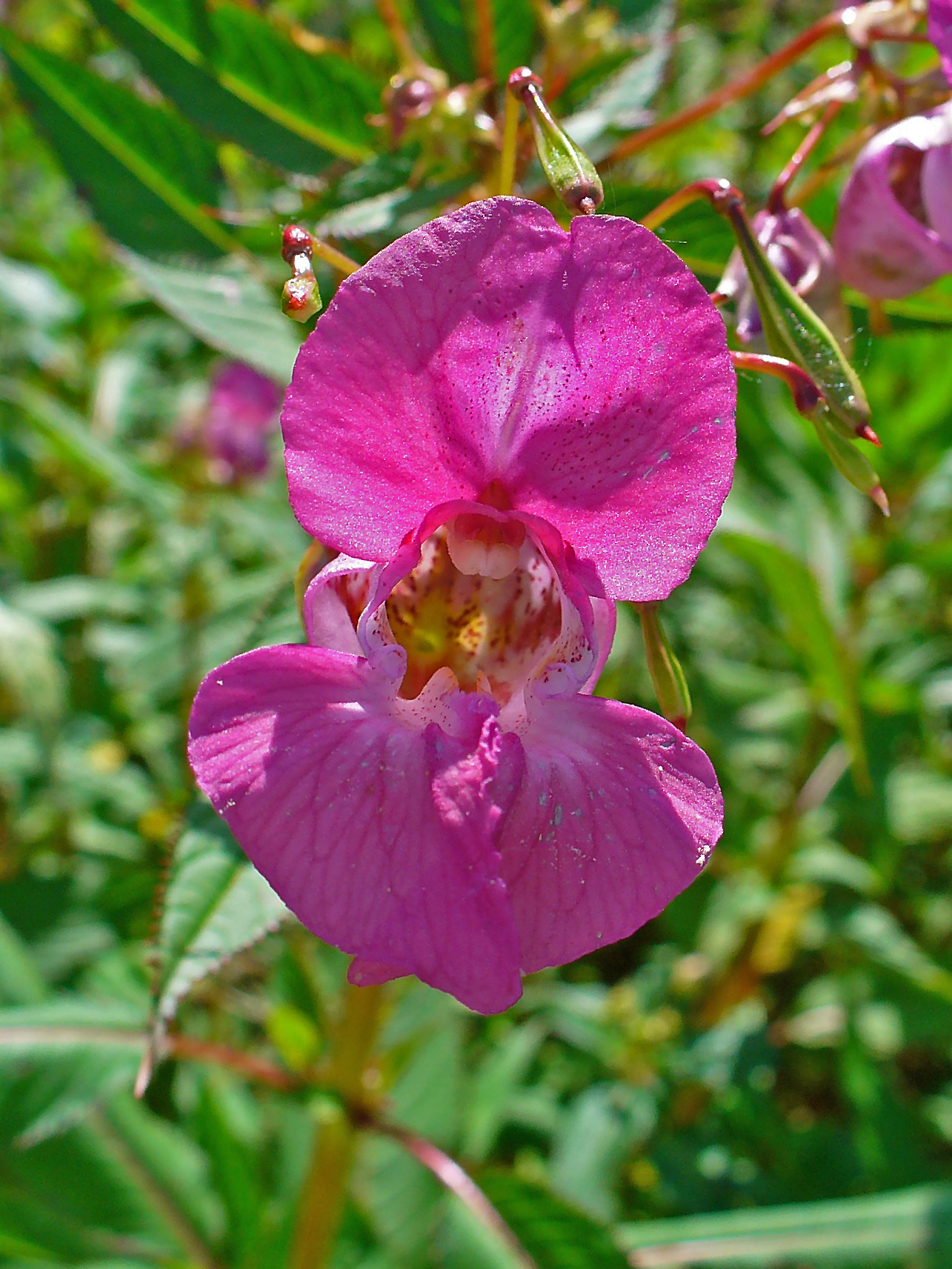
Rapid disruption of pollination function by the invasive plant Impatiens glandulifera.
Himalayan balsam doesn't need to crowd out your native wildflowers. It just needs to confuse their bees.
Researchers introduced the tall pink invader to a site where it hadn't been before and watched bumblebees switch allegiance almost overnight. Within four days, native hedge woundwort lost more than 80% of its proper pollen deliveries, not because bees vanished, but because they arrived dusted in the wrong pollen. The bees were still showing up. They were just carrying someone else's mail.
That pattern of invisible sabotage ran through this week's research in both directions. Invasive plants, it turns out, are also better at sensing their own roots underground, steering away from siblings to grab more territory, a trick native species lose when soil microbes shift. But the same soil biology that invaders exploit can be turned around: beneficial fungi changed which bacteria colonized strawberry roots, recruiting cooperative communities that made the plants measurably heavier. Crushed volcanic rock spread on old hay meadows locked away carbon and improved forage without harming a single wildflower species.
The ground beneath your garden is still full of allies, if you know which ones to invite.
nutrition
If you grow food
How science is making crops tougher, tastier, and easier to grow.
chevron_right
If you grow food
How science is making crops tougher, tastier, and easier to grow.
landscape
If you're curious about soil
The living network of fungi, bacteria, and chemical conversations beneath your feet.
chevron_right
If you're curious about soil
The living network of fungi, bacteria, and chemical conversations beneath your feet.
sensors
How plants talk
Chemical signals, stress responses, and the hidden language of plant communication.
chevron_right
How plants talk
Chemical signals, stress responses, and the hidden language of plant communication.
thermostat
Living with a changing climate
How plants adapt, migrate, and respond as seasons shift and extremes intensify.
chevron_right
Living with a changing climate
How plants adapt, migrate, and respond as seasons shift and extremes intensify.
More This Week
High temporal resolution pollen analysis: New insights into current...
The wildflowers you're encouraging along your fence line or garden edge may already be carrying pesticide residues dr...
Invasive plants have stronger root recognition capabilities than na...
Every time you pull a native plant from a restoration bed only to watch an invasive refill the gap, this is part of w...

Trending: Virginia strawberry (Fragaria virginiana) — 441 observati...
Wild strawberry patches threading through your lawn or meadow edge aren't weeds — they're a ground-level native that ...

Trending: large white trillium (Trillium grandiflorum) — 685 observ...
Large white trillium blooms for only a few fleeting weeks each spring in eastern woodlands — and if you spot one, it ...

Trending: pink lady's slipper (Cypripedium acaule) — 880 observatio...
Pink lady's slippers growing in your local woods take 10–15 years to first bloom and can't survive transplanting — sp...
Phenological mismatches between larks and grasshoppers induced by c...
The meadow grasses and wildflowers in nature reserves near you depend on birds arriving at exactly the right moment t...

Advancing soil health with biochar - Effects on soil microbial acti...
The char left in your firepit or backyard burn barrel, if made right, could quietly transform your vegetable garden's...

Soil amendment potential of black soldier fly (Diptera: Stratiomyid...
If you compost or fertilize a kitchen garden, black soldier fly frass could let you feed your plants and quietly boos...