Plant science for plant people.
We read the research papers so you don't have to. 6130 discoveries from PubMed, iNaturalist, bioRxiv, and more, curated for curious gardeners.

Targeted knockout of a host peroxisomal peptidase confers field resistance to maize lethal necrosis.
Rice makes serotonin when caterpillars start chewing on it, the same molecule our brains use to feel good. It backfires. More serotonin actually weakens the plant's defenses, quietly feeding the pest it's trying to fight.
Researchers traced the problem to two proteins that normally keep serotonin production low. When those proteins work properly, the rice fights back. Knock them out, and caterpillars feast. The plant's own stress chemistry was being turned into an open door.
That pattern, a plant's biology co-opted by its enemies, keeps showing up. Two unrelated insects, whiteflies and planthoppers, independently evolved spit proteins that disable the exact same immune sensor in their host plants, like two burglars picking the same lock without ever meeting. A virus hijacks a protein inside corn cells to spread; a soil pathogen reroutes a sugar transporter in canola roots to feed itself. But in each case, once researchers mapped the vulnerability, they used gene editing to close it, and the plants held.
Turns out the hardest part of plant defense wasn't building new walls; it was finding which doors were already open.
nutrition
If you grow food
How science is making crops tougher, tastier, and easier to grow.
chevron_right
If you grow food
How science is making crops tougher, tastier, and easier to grow.
landscape
If you're curious about soil
The living network of fungi, bacteria, and chemical conversations beneath your feet.
chevron_right
If you're curious about soil
The living network of fungi, bacteria, and chemical conversations beneath your feet.
sensors
How plants talk
Chemical signals, stress responses, and the hidden language of plant communication.
chevron_right
How plants talk
Chemical signals, stress responses, and the hidden language of plant communication.
thermostat
Living with a changing climate
How plants adapt, migrate, and respond as seasons shift and extremes intensify.
chevron_right
Living with a changing climate
How plants adapt, migrate, and respond as seasons shift and extremes intensify.
More This Week
Wearable Plant Electronics Enables Early Detection of Salt Stress b...
Farmers and gardeners who water with tap water or live near coastal areas are unknowingly salt-stressing their plants...

OsELP Mediated Apoplastic Sequestration in Roots Acts as an Arsenic...
Rice you eat regularly — including white rice, rice flour, and baby rice cereals — absorbs arsenic from soil and wate...

Microbial succession from nursery to vineyard highlights the role o...
The bottle of wine on your dinner table may owe its quality—or its shortcomings—to invisible microbes that hitched a ...
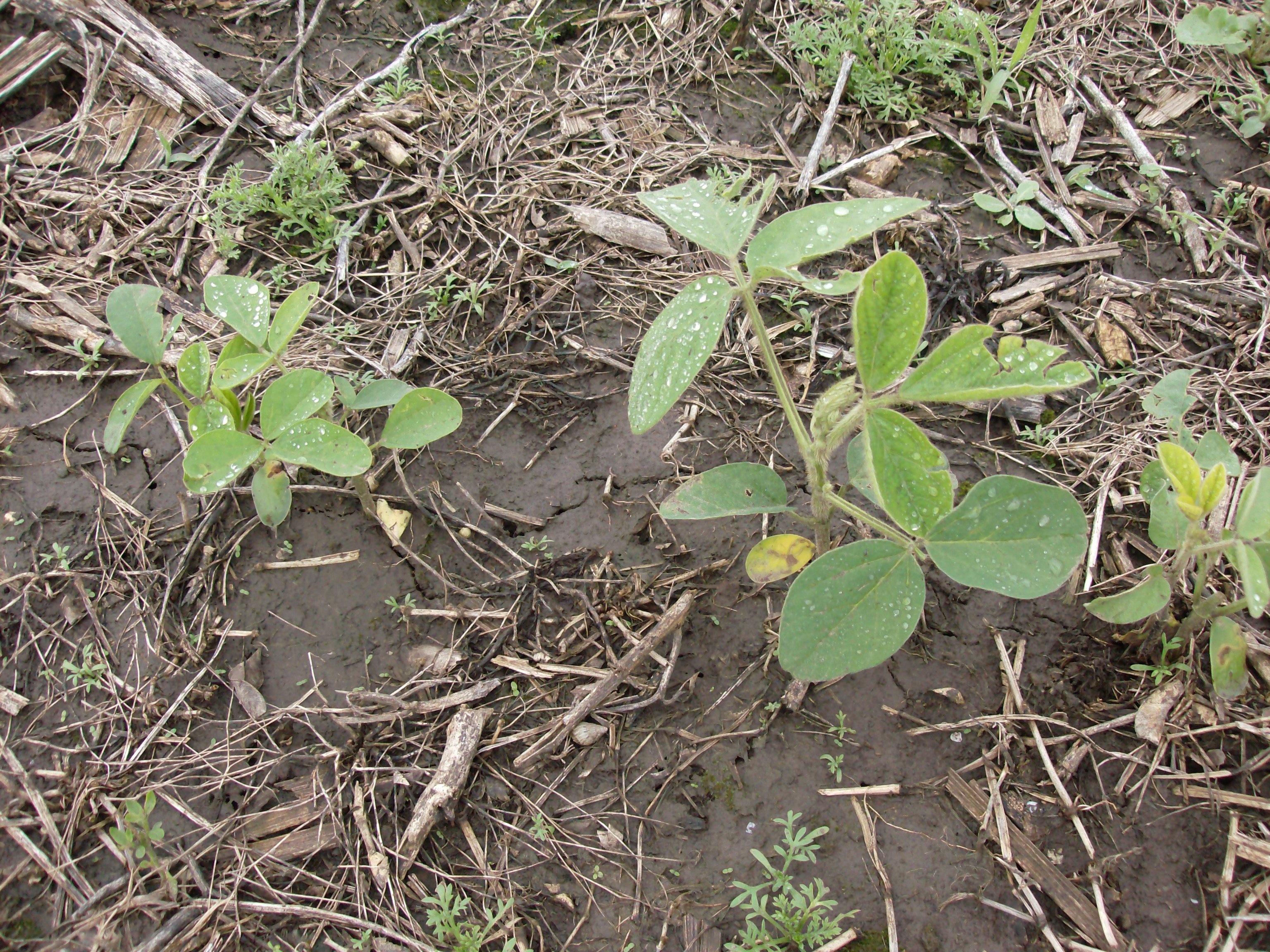
Genome editing generates high oleic soybean and eliminates beany flavors.
Soy-based foods like tofu, edamame, and soy milk could soon taste noticeably better and deliver healthier fats withou...
First brassinosteroid-based dwarf mutant discovered and characteriz...
Compact dwarf grapevines could make growing wine grapes in a backyard, on a patio, or in a small urban garden genuine...

Pseudomonas volatiles shape the root transcriptome and microbiome t...
Beneficial bacteria already living in your garden soil could be cultivated or applied as a natural treatment to help ...

Herbivorous insects independently evolved salivary effectors to reg...
Whiteflies and planthoppers devastate vegetable gardens and rice paddies worldwide, and now we know the exact molecul...

A group of TCP transcription factors is a missing link in strigolac...
Strigolactones are the hormones that decide how bushy or tall your garden plants grow — cracking how they work at the...