Plant science for plant people.
We read the research papers so you don't have to. 6130 discoveries from PubMed, iNaturalist, bioRxiv, and more, curated for curious gardeners.
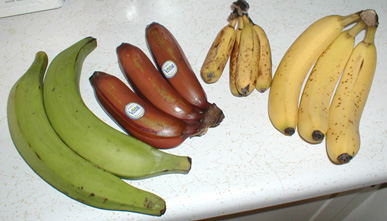
Host-mediated rhizosphere microbiome transfer suppresses Fusarium oxysporum in banana.
Plants eavesdrop on their enemies. When soil bacteria start coordinating an attack, exchanging chemical signals as their numbers build, nearby plants intercept those messages and fire up three defense systems before infection even begins.
Researchers showed plants detect the exact molecule bacteria use to say "we have enough to strike," then simultaneously toughen cell walls, release protective chemicals, and prime their immune memory. Not a reaction to damage. A preemptive response to overheard chatter.
That talent for reading chemical signals and acting early runs through this week's research everywhere. Banana plants release specific root compounds to recruit protective microbes from resistant neighbors, dropping a devastating fungal disease by 38%. Pomelo leaves host a handful of bacteria that together cut citrus canker by nearly 80%. Poplar trees, when thirsty, send chemical flares from their roots that summon drought-helping bacteria on demand.
The garden's quietest residents are running the most sophisticated intelligence network you've never noticed, and it's been working long before we thought to look.
nutrition
If you grow food
How science is making crops tougher, tastier, and easier to grow.
chevron_right
If you grow food
How science is making crops tougher, tastier, and easier to grow.
landscape
If you're curious about soil
The living network of fungi, bacteria, and chemical conversations beneath your feet.
chevron_right
If you're curious about soil
The living network of fungi, bacteria, and chemical conversations beneath your feet.
sensors
How plants talk
Chemical signals, stress responses, and the hidden language of plant communication.
chevron_right
How plants talk
Chemical signals, stress responses, and the hidden language of plant communication.
thermostat
Living with a changing climate
How plants adapt, migrate, and respond as seasons shift and extremes intensify.
chevron_right
Living with a changing climate
How plants adapt, migrate, and respond as seasons shift and extremes intensify.
More This Week

A cis-regulatory variant in ZmABI45 modulates drought tolerance and...
The corn on your dinner plate could become harder to grow and more expensive as droughts intensify — but this natural...

Comparative Transcriptomics Reveals Epigenetic and Transcriptional ...
Every loaf of bread you buy depends on wheat surviving droughts that are becoming more frequent, and this research re...
Re-Engineering Resilience: Predictive Pheno-Metabolomics and Machin...
The fruits and vegetables you buy at the grocery store depend on crops bred for yesterday's climate — this research b...
Climate change and crop resilience: harnessing metabolomics for pre...
The tomatoes, wheat, and corn your food comes from are being pushed toward their stress limits by rising temperatures...
Perception of a bacterial quorum sensing signal activates a tripart...
Tomatoes, peppers, and other garden crops silently wage wars against bacterial blights every season, and this discove...

PagMYB74 orchestrates flavonoid-mediated plant-microbe feedback for...
Poplar trees lining your streets or growing along riverbanks are quietly directing underground bacterial communities ...

Virus-induced genome editing enables functional genomics across div...
Crops like tomatoes, wheat, and medicinal herbs that feed and heal you could be improved far faster than before, beca...
Mycorrhizal type shifts the controls on tree root exudation from so...
Whether the oaks or pines in your local park are partnered with truffle-style fungi or fine-root-coating fungi determ...