secondary-metabolites
Secondary metabolites are organic compounds produced by plants that are not directly required for basic growth or reproduction, but instead serve specialized ecological roles such as defense against herbivores and pathogens, attraction of pollinators, and competition with neighboring plants. Understanding these compounds is central to plant biology research because they represent the chemical language through which plants interact with their environment. Beyond their ecological significance, secondary metabolites are also a rich source of pharmaceuticals, dyes, and agrochemicals, making their biosynthesis and regulation a major focus of plant science.
open_in_new Wikipedia
Identification and functional characterization of SmABCG24 regulati...
Tanshinones from red sage are used in traditional Chinese medicine to treat heart disease and inf...
Structural innovation and flexibility in plant chemical defenses.
The bitter taste in your kale, the scent of your roses, and the itch from nettles all come from t...

The Role of Two Glycoalkaloid Metabolism Genes in α-Tomatine Biosyn...
The gray mold that collapses your tomato plants by August has evolved its own molecular toolkit t...

Integrative transcriptomic and metabolomic profiling elucidates the...
Knowing that a common tumbleweed relative packs its highest levels of antioxidants and medicinal ...
Advances in hairy root technology: from pathway elucidation and omi...
Many herbal remedies and plant-derived medicines on pharmacy shelves—from cancer drugs to anxiety...

ATML1-GIR1-TPL/TPR transcriptional repression module controls gluco...
Breeding your garden kale or mustard greens to be naturally more pest-resistant without losing th...
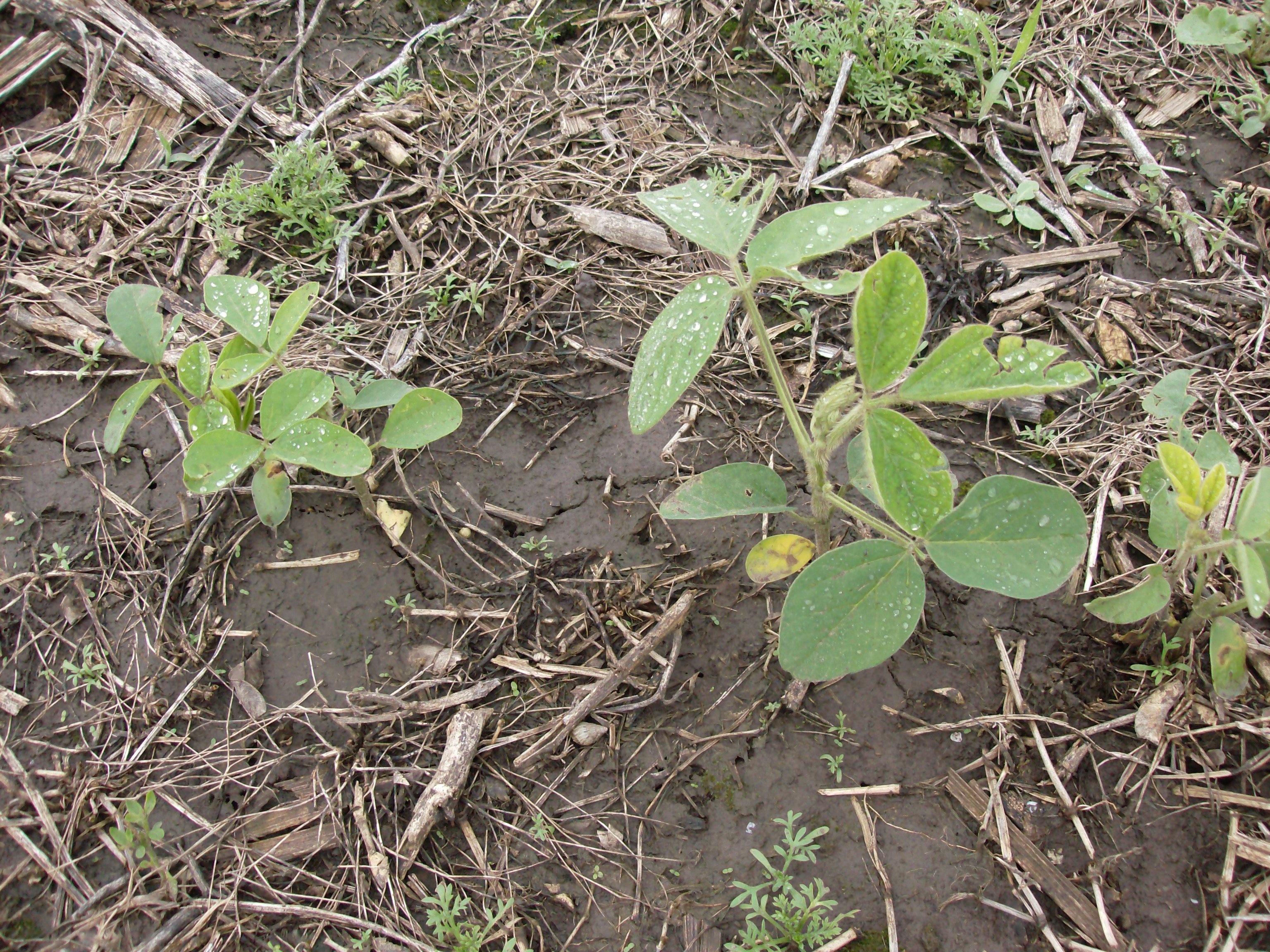
Lab fungus naturally fights soybean blight, then gets a CRISPR cleanup
Soybeans in fields near you face a water mold called Phytophthora that rots roots and can wipe ou...


