rhizosphere-microbiome
The rhizosphere microbiome refers to the dynamic community of bacteria, fungi, and archaea that colonize the zone of soil immediately surrounding plant roots and the root interior itself, forming assemblages distinct from bulk soil microbial communities. Understanding these microbial partnerships is central to plant science because root-associated microorganisms influence nutrient uptake, disease resistance, and stress tolerance in their host plants. Decoding how plants selectively recruit and shape these communities opens pathways to improving crop health and soil sustainability without relying solely on chemical inputs.
open_in_new WikipediaWarming killed underground fungi and pushed meadows toward shrublands
Mountain meadows and wildflower-rich grasslands many people hike through and depend on for clean ...

Multimodal learning reveals plants' hidden sensory integration logic.
Understanding how plants 'listen' to helpful fungi could soon lead to crops that need fewer pesti...

MdUGT88F1 enhances plant resistance to Fusarium proliferatum f.sp. ...
Apple orchards worldwide are quietly being poisoned by their own soil after replanting, and this ...

Trichoderma asperellum 152-42 confers resistance to Fusarium root r...
A naturally occurring soil fungus could replace or reduce fungicides on the alfalfa fields that f...
Insect herbivory reshapes rhizosphere bacterial and fungal networks...
The caterpillars or aphids chewing on your tomatoes and roses are secretly rewiring the microbial...

Rhizobacteria opportunistically boost colonization and impair plant...
Bacteria living around your garden plants' roots aren't always on your side — some can quietly st...

Rhizosphere microbiome influences fruit quality in citrus.
If you grow citrus in containers or garden beds, the invisible community of bacteria clinging to ...

Temporal dynamics of rhizosphere microbiome assembly and carbon-pho...
If you're planting a food forest or hedgerow, the herbs and perennials you tuck between your tree...
Root exudate-mediated nutrient exchange in the rhizosphere: multi-e...
Understanding how plant roots 'talk' to soil microbes could lead to farming practices that grow m...

Phosphorus fertilizer forms orchestrate contrasting plant-microbe r...
The fertilizer you choose for your garden doesn't just feed your plants directly — it quietly sha...

Genomic and functional insights on Priestia megaterium MOD5IV: Enha...
Heavy metals from mining and industry contaminate soils worldwide, and this naturally-occurring b...

Sulfur nanoparticles enhance Cd-phytoremediation in Salix chaenomel...
Contaminated soil near industrial areas, old farms, and urban parks can silently poison the food ...
Translational microbiomes in agriculture: microbial communities as ...
Invisible communities of microbes living in your garden soil and on plant roots are increasingly ...
Glutamate facilitates root colonization by plant growth-promoting r...
Understanding what invites beneficial soil bacteria to plant roots could help gardeners and farme...
Multi-omics association analysis of the toxicity mechanism differen...
Manure-amended vegetable beds may carry invisible antibiotic residues that quietly suppress your ...

Trained soil bacteria help plants survive lead contamination and nu...
Soil bacteria you can barely see are already doing quiet cleanup work around every plant's roots,...
Evaluation of phytoremediation potential by rhizospheric bacteria o...
Contaminated soil from industrial runoff or heavy metals can end up in the vegetables you grow or...

Integration and benefits of root inoculation with endophytic entomo...
It points toward a natural, fungi-based alternative to chemical pesticides and fertilizers for ol...
Integrated plant and rhizosphere response to gadolinium exposure in...
Wastewater from hospitals and imaging centers carries gadolinium into irrigation water sources, a...
Molecular pathways in plant growth-promoting rhizobacteria-plant in...
These beneficial bacteria are already living in the soil of your garden and farm fields — underst...

Rare soil fungi outperform common ones at reviving depleted yam fields
Growers of medicinal or culinary yams who rotate the same beds year after year face steadily wors...

Toward microbiome-assisted remediation: Vanadium-titanium magnetite...
Vegetables you eat may be grown in soils where nearby mining has quietly changed the underground ...
Integrated metagenomic-metabolomic insights into plant-microbe inte...
Tiny chemical signals in garden soil quietly recruit beneficial microbes to plant roots — underst...
CHD-18g-modulated Pseudomonas taxa support poplar salt tolerance.
Poplar trees planted along roadsides and in restored wetlands are quietly recruiting their own ba...
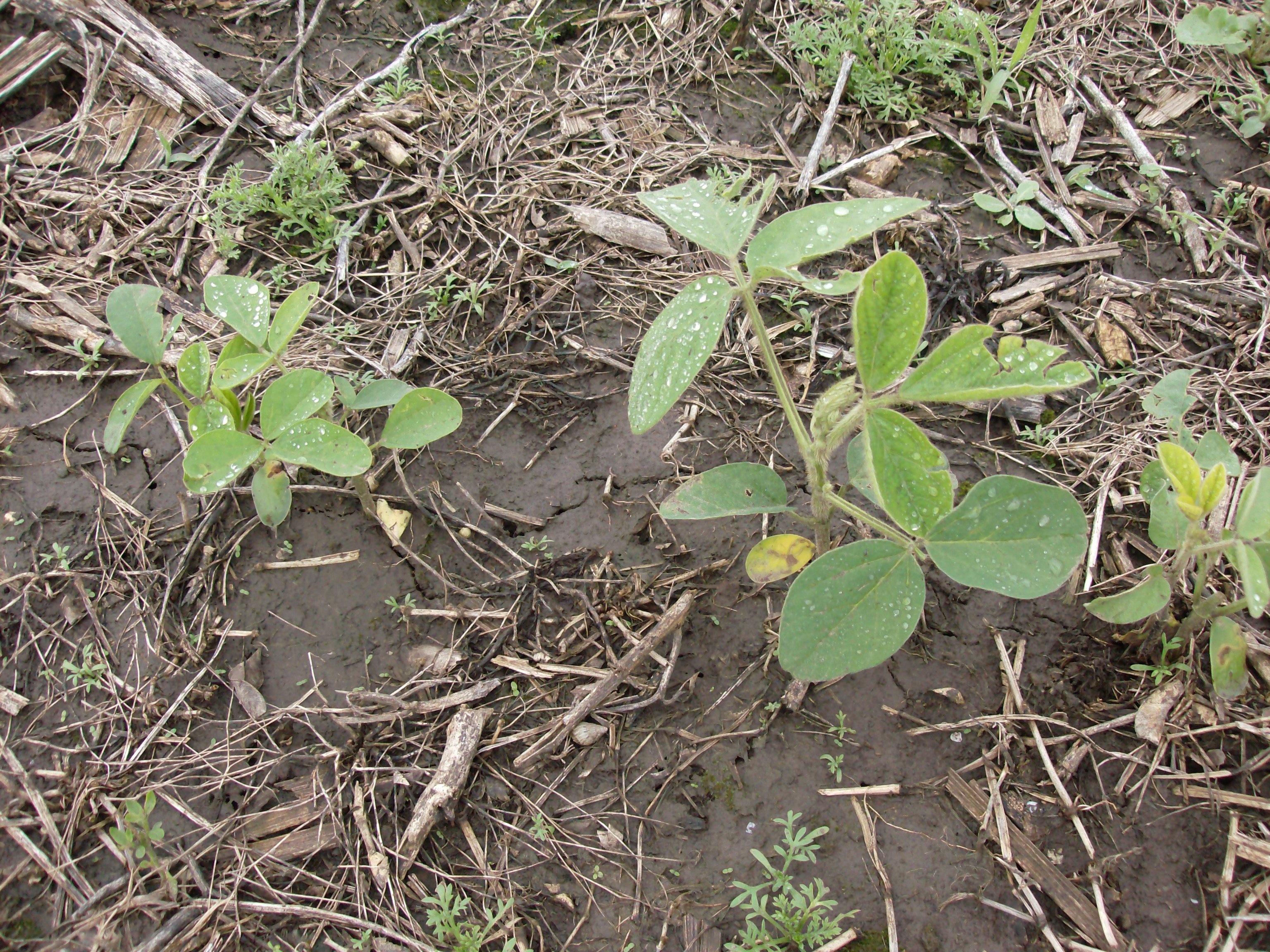
Diversity-triggered 2-naphthoic acid exudation recruits keystone mi...
Farmers growing soybeans through increasingly brutal summer droughts may one day treat seeds with...

Bacterial microbiota dynamics of Cannabis sativa L. under biotic st...
Same invisible soil bacteria that help your garden plants thrive can be knocked off balance by a ...
Soil and leaf bacteria together shield poplar trees from fungal blight
Poplar trees line city streets, buffer agricultural fields, and anchor riparian corridors across ...

Decades of potato farming tip root-zone microbes toward pathogens
The soil under a potato patch is a living system, and every year you till it you're quietly tradi...

Host-specific fluorescence dynamics in legume-rhizobium symbiosis d...
Bacteria living in legume roots do the invisible work of turning air into plant food, potentially...

Soil bacterium helps peanuts survive drought, recover faster, and y...
If you grow peanuts or other legumes in a dry-prone bed, this work points to root-zone microbes a...

Your oat variety shapes soil microbes more than any amendment
Choosing the right crop variety could be as powerful a tool as any amendment you add to degraded ...
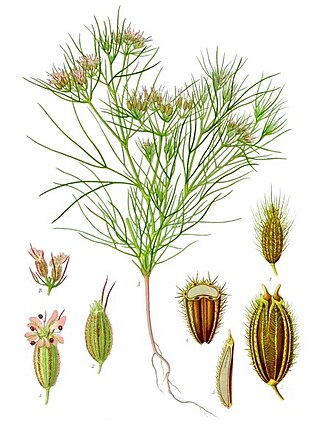
Correlation analysis of lead stress-induced alterations in root met...
Spices like cumin grown in contaminated soils near industrial or mining areas are absorbing heavy...
Preservation of Microorganisms and Microbiomes: Methods, Impacts, a...
Invisible microbes living in your garden soil are what make your plants grow — and losing them to...

Shifts in Rhizosphere Bacterial Community Composition and Predicted...
That weedy, orange-flowered plant carpeting the shady corners of urban parks and woodland edges m...

Root bacteria each play a different role when living on corn
The soil microbes around your garden plant roots aren't interchangeable: one species may unlock p...
Limited effect of short- to mid-term storage conditions on an Austr...
Invisible viral world living in garden and farm soils influences plant health, nutrient cycling, ...
Species in Topic
Corn (maize)
Wheat
Arabidopsis
Tomato
Thale Cress
Soybean
Potato
Lettuce
Apple
Poplar
 Rapeseed
Olive
Pea
Alfalfa
Peanut
Rapeseed
Olive
Pea
Alfalfa
Peanut
 Clover
 Hemp
Oat
Willow
Hemp
Oat
Willow
 Blackberry Lily
Coriander
Cumin
Blackberry Lily
Coriander
Cumin
 Navel orange
 Peruvian pepper tree
Small Balsam
Peruvian pepper tree
Small Balsam
 Touch-Me-Not
eco
White Poplar
Touch-Me-Not
eco
White Poplar
 Anemarrhena
Chinese yam
eco
Japanese quince willow
Anemarrhena
Chinese yam
eco
Japanese quince willow
 Saposhnikovia
Satsuma mandarin
Saposhnikovia
Satsuma mandarin