precision-breeding
Precision breeding uses molecular markers and genomic tools to guide selection of desirable plant traits with far greater accuracy than traditional breeding methods. By targeting specific genetic loci linked to traits like yield, disease resistance, or stress tolerance, researchers can accelerate crop improvement while minimizing unintended genetic changes. This approach is transforming plant science by enabling the development of improved varieties with unprecedented efficiency and predictability.
open_in_new WikipediaTurbocharging crop breeding with integrated biotechnology for a cli...
The tomatoes, wheat, and corn at your grocery store are quietly running out of genetic tricks to ...
Transposase-Assisted Donor Tethering Boosts Large-Fragment HDR in Plants.
Crops engineered to resist drought, disease, or pests with large genetic upgrades — things that h...

Enhancing CRISPR-Cas12a base editing in plants with LbCas12a varian...
Better gene-editing tools bring us closer to crops that can survive drought, resist pests, or tol...
Small but mighty: emerging roles of uORFs in plants.
It could lead to vegetables, grains, and fruits that naturally fend off disease and survive harsh...
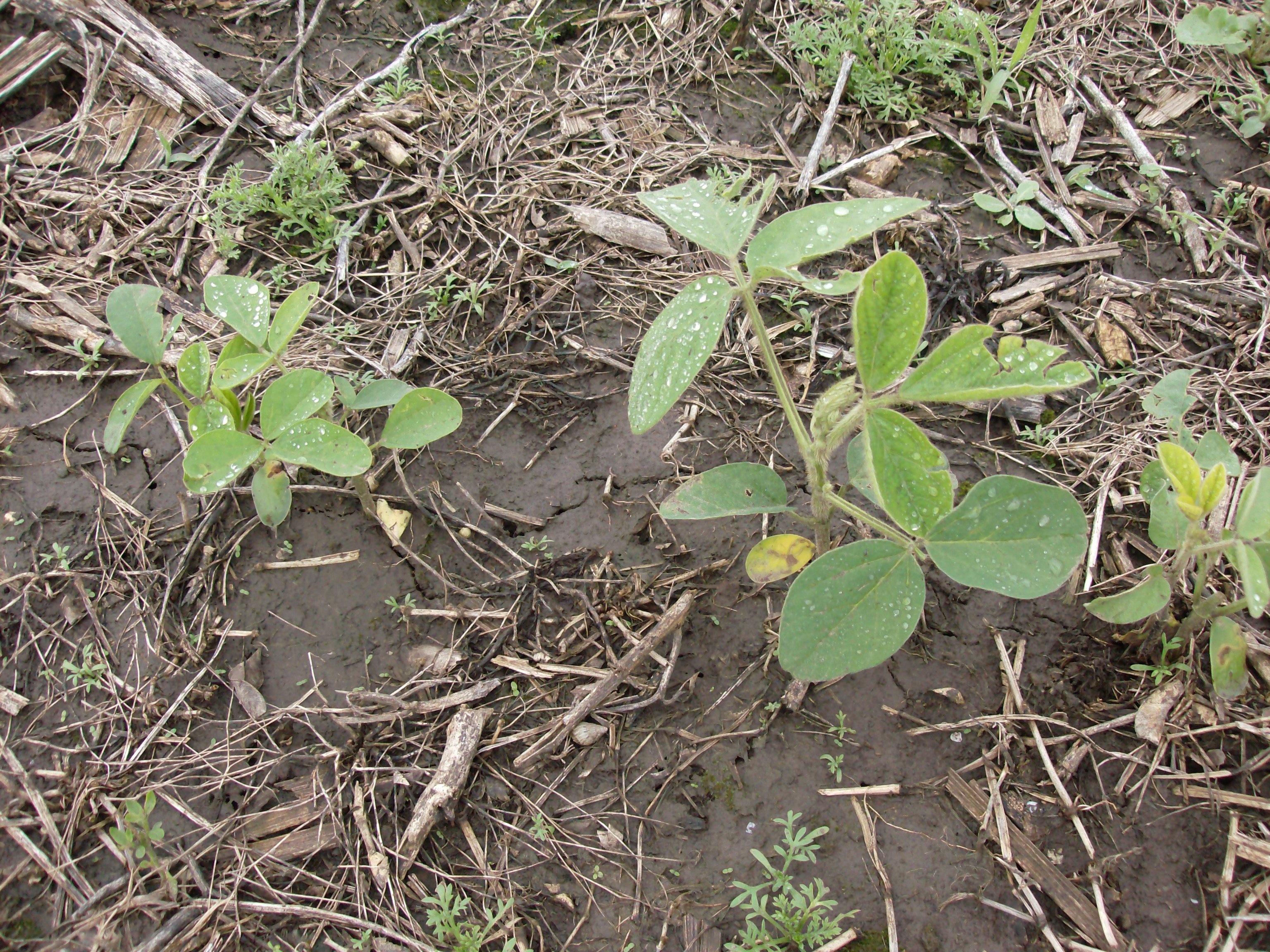
Development and Application of Prime Editors for the Induction of S...
Soybeans are in roughly 70% of processed foods you eat, and these new precision editing tools cou...
A synthetic guide RNA scaffold enhanced CRISPR/Cas9 editing efficie...
Tomatoes engineered to resist drought, rice bred to fight blight without pesticides, and vegetabl...
Base editing in rice using nuclease-deactivated CRISPR/Cas-SF01.
Rice feeds more than half the world's population, and this more precise editing tool could accele...

Evaluation of computational tools for the prediction of CRISPR/SpCa...
Better gene-editing tools mean scientists can more quickly and precisely develop disease-resistan...
Synergistic HMGN1 and VP64 Fusions Potentiate High-Precision and PA...
Rice breeders working to develop drought-tolerant or disease-resistant varieties just gained a to...
Advances in multiplex precision genome editing in eukaryotic and pr...
The tomato on your windowsill, the wheat in your bread, and the soybeans in countless foods could...

Overcoming breeding barriers with genome editing in autopolyploid crops.
The potato in your garden likely carries four copies of every gene — meaning breeders have to kno...
Prime editing: evolution of CRISPR-Cas system for a robust next-gen...
The wheat, rice, and corn being developed with this technology could one day yield reliable harve...


