plant-biochemistry
Plant biochemistry is the study of the chemical processes and molecular compounds that underlie plant life, including photosynthesis, metabolism, hormone signaling, and the synthesis of secondary metabolites. Understanding these biochemical pathways is fundamental to plant science, as they govern how plants grow, respond to environmental stress, defend against pathogens, and produce the nutrients and compounds that sustain ecosystems and agriculture.
open_in_new Wikipedia
Comparative transcriptomic and co-expression analyses enable the di...
The bitter kick in a quality extra-virgin olive oil comes from oleuropein, and now that we know e...

Golgi-localized mannanases sustain hemicellulose biosynthesis.
Understanding how plants build their cell walls could lead to crops with improved seeds, better f...
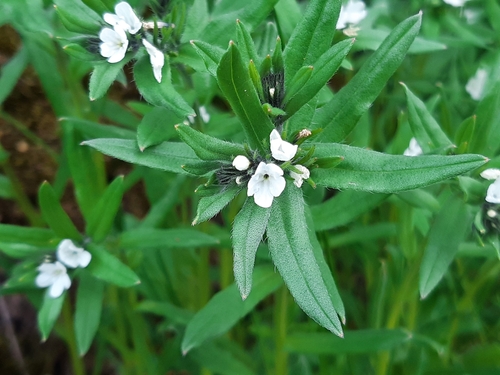
CRISPR/Cas9-mediated genome editing reveals the involvement of a po...
Gromwell's deep-red root dye has colored textiles and lip balms for centuries, and unlocking the ...
Reconstruction of a Bis(bibenzyl) Biosynthetic Pathway through Anal...
Liverworts have quietly been making potent antimicrobial and anti-cancer compounds for millions o...

Unveiling the potential of banana (Musa spp.) improvement through g...
Bananas are one of the world's most consumed fruits, and new discoveries about their biology coul...
Mysterious giants in the world of lipids: long linear isoprenoid fu...
Every tomato that sets fruit in your garden depends on a molecular relay—these lipid chains quiet...

Properties and biochemistry of phosphatidylcholine: diacylglycerol ...
Canola, sunflower, and soybean oils in your pantry could soon be engineered for better nutrition ...
Plant-derived L-asparaginases: Comprehensive functional and biologi...
Common beans — the same ones you're growing in your vegetable patch — carry enzymes in their prot...


