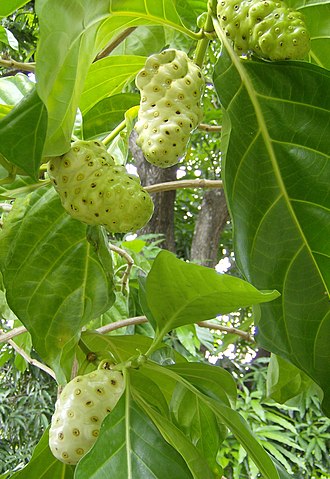
Natural toxins are chemical compounds produced by plants as a defense mechanism against herbivores, pathogens, and competing organisms. Studying these substances is central to plant science because they reveal how plants have evolved complex biochemical strategies for survival, and many of these compounds have significant implications for human health, agriculture, and pharmaceutical development.
Scientists discovered that a fruit fly's remarkable ability to survive on toxic noni fruit — which poisons most other insects — is controlled by multiple genes acting across different tissues, not a single resistance mechanism. This multi-layered defense, involving fatty acid transport and structural proteins, helps explain how insects can evolve to exploit plants that produce potent natural chemical defenses.
1
Some strains of common fruit flies (D. melanogaster and D. simulans) showed octanoic acid resistance levels matching the specialist noni fly, revealing hidden natural variation in the trait.
2
Resistance to the noni toxin does not correlate with resistance to conventional insecticides, indicating a distinct and separate toxicity mechanism.
3
Loss-of-function experiments confirmed at least two genes — Bez (a fatty acid transporter) and CG13003 (a structural matrix component) — are required for full resistance, supporting a multigenic, multi-tissue defense model.
mail
Weekly plant science — one email, Saturdays.
Check your inbox to confirm — link expires in 24 hours.
Something went wrong — please try again.
Too many signup attempts from your network. Try again in an hour, or email hello@plant.news.