nanoparticles
Nanoparticles are particles of matter typically ranging from 1 to 100 nanometres in diameter, small enough to interact with biological systems at the molecular level. In plant science, they are studied for their ability to penetrate cell walls and membranes, enabling targeted delivery of nutrients, pesticides, or genetic material directly into plant tissues. This opens new avenues for improving crop protection, enhancing nutrient uptake efficiency, and developing novel methods for plant transformation and genetic research.
open_in_new Wikipedia
Biogenic iron oxide nanoparticles synthesized using Trichoderma spp...
Fusarium wilt can silently kill your tomato plants from the roots up, and these naturally-made pa...

Plant-produced encapsulin displays non-typhoidal Salmonella enteric...
Chicken, eggs, and turkey on your plate are the leading sources of Salmonella outbreaks, and plan...
Seed priming approaches for climate-resilient agriculture.
Vegetables, grains, and fruits in your grocery store are increasingly threatened by droughts and ...

Preventive effects and mechanisms of yam exosome-like nanoparticles...
Humble yam you might grow in your garden or buy at the farmers market contains microscopic protec...

Sulfur nanoparticles enhance Cd-phytoremediation in Salix chaenomel...
Contaminated soil near industrial areas, old farms, and urban parks can silently poison the food ...
Synergistic effects of glutamic acid and cerium oxide nanoparticles...
Cadmium-contaminated soil can enter the food chain through vegetables grown in affected areas, an...
Synergistic alleviation of salinity stress in tomato: unraveling th...
If you're growing tomatoes in raised beds amended with salty tap water or near coastal soils, the...

Biochar and zinc oxide nanoparticles partnership: a multi-faceted s...
Rice paddies worldwide sit on soils contaminated by mining and industrial runoff, and the grains ...

Green synthesis, characterization, evaluation of anticancer and ant...
Humble jujube fruit, which you might grow in your backyard or find at a farmers market, contains ...
Foliar Spraying of Silica Nanoparticles Outperforms Its Soil Amendm...
Rice grown in arsenic-contaminated paddies quietly concentrates that arsenic into the grain you e...

Synergistic effects of organic fertilizer and copper-calcium nanopa...
Growing onions in near-desert soil with little water is a real challenge facing farmers across No...
Functionalized SiO2 nanoparticle-mediated release and transport of ...
Cadmium from contaminated garden or allotment soil doesn't stay put — it moves into the food crop...
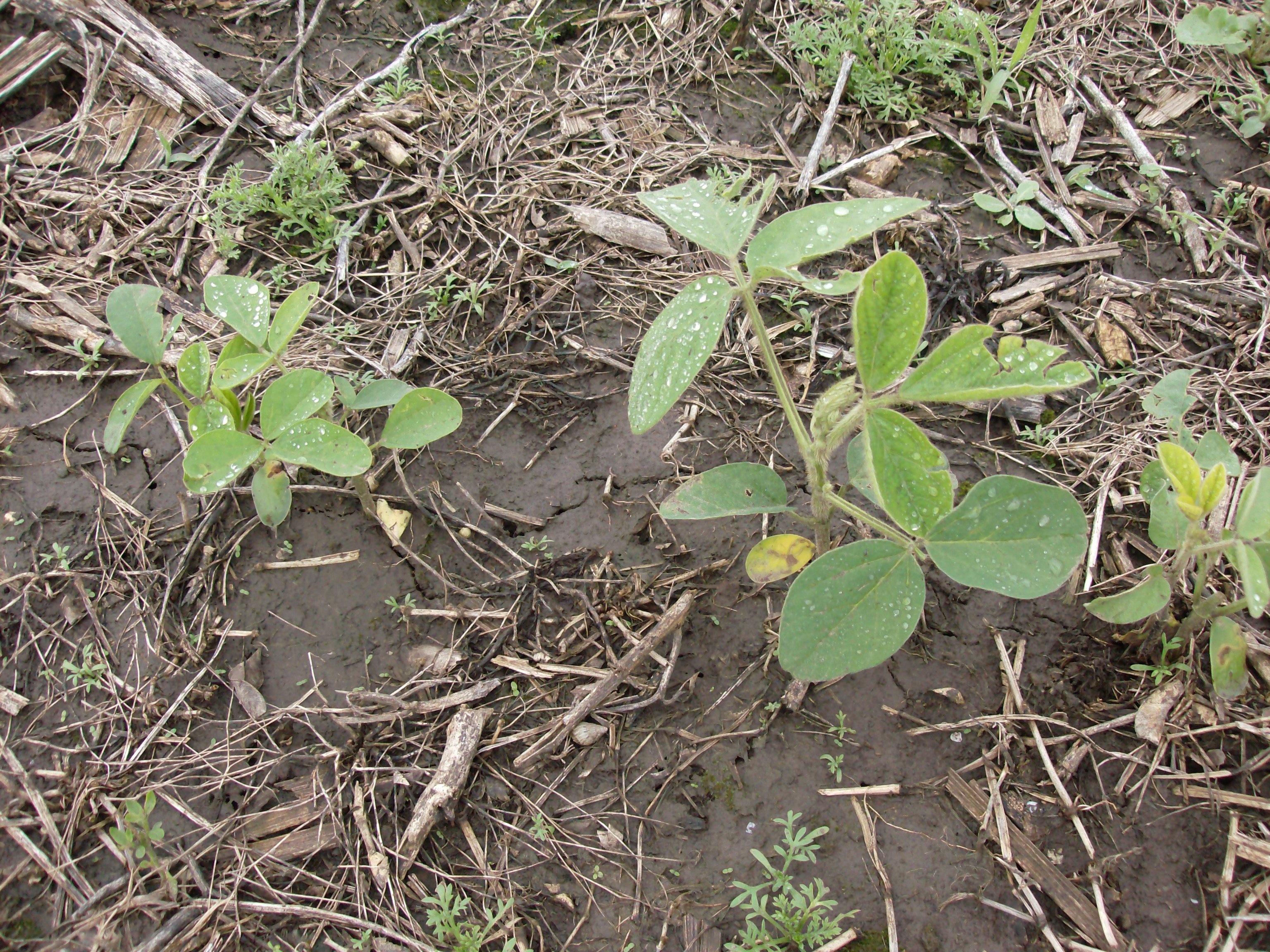
Biochar paired with zinc-selenium nanoparticles boosts soybean nutr...
Soybeans grown with better antioxidant profiles and richer fatty acids like linoleic acid end up ...
Plants make nano-sized packets that could treat diabetes and fatty liver
Tiny molecular packets that plants use for internal signaling can survive digestion and enter the...
Evaluation of the Affinity of a Nanocarbon-Based Product for Soils ...
If you're amending your garden beds with any carbon-based soil booster, applying it alongside cal...
Toxicology and biodistribution of plant-derived extracellular vesic...
Plants you grow and eat — spinach, ginger, grapes — are being harvested for nanoscale particles t...