Nanoencapsulation is a technology that encloses active substances — such as nutrients, pesticides, or plant growth regulators — within nanoscale carriers to control their release and delivery. In plant science, this technique improves the efficiency of agrochemicals and biostimulants by protecting sensitive compounds from degradation and enabling targeted, sustained release into plant tissues or the surrounding soil. This precision delivery approach can enhance crop protection, reduce chemical waste, and improve uptake of beneficial compounds by plants.
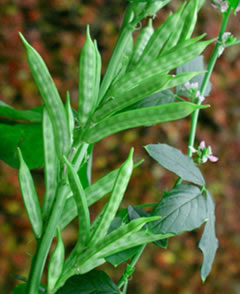
Researchers tested two natural approaches — peppermint essential oil packaged in tiny nanoparticles and a beneficial biocontrol fungus — to combat root-knot nematodes attacking guar (cluster bean) crops. The study evaluated whether these eco-friendly treatments could suppress the soil pests and help the plants stay resilient without synthetic pesticides.
1
Nano-encapsulation of peppermint essential oil was used to improve its stability and controlled release in soil, enhancing nematicidal efficacy compared to unencapsulated oil
2
A biocontrol fungus (likely a Trichoderma or Pochonia species) was applied alongside the nano-encapsulated oil to target root-knot nematodes through combined biological and botanical mechanisms
3
Guar (cluster bean) plants treated with the combined approach showed improved resilience indicators, suggesting reduced nematode-induced stress compared to untreated controls
mail
Weekly plant science — one email, Saturdays.
Check your inbox to confirm — link expires in 24 hours.
Something went wrong — please try again.
Too many signup attempts from your network. Try again in an hour, or email hello@plant.news.