nano-agriculture
Nano-agriculture is the application of nanotechnology to agricultural systems, using engineered nanomaterials such as nanoparticles and nano-encapsulated compounds to enhance plant growth, nutrient delivery, and disease resistance. This field offers plant scientists precise tools for targeting biological processes at the cellular and molecular level, enabling more efficient uptake of nutrients and agrochemicals than conventional methods allow. The ability to manipulate plant-environment interactions at the nanoscale holds significant promise for improving crop resilience, reducing chemical inputs, and advancing our fundamental understanding of plant physiology.
open_in_new WikipediaCarbohydrate-based polymeric nanotechnologies: Chitosan and chitosa...
Tiny particles made from shrimp shells could soon help the tomatoes in your garden — and the crop...
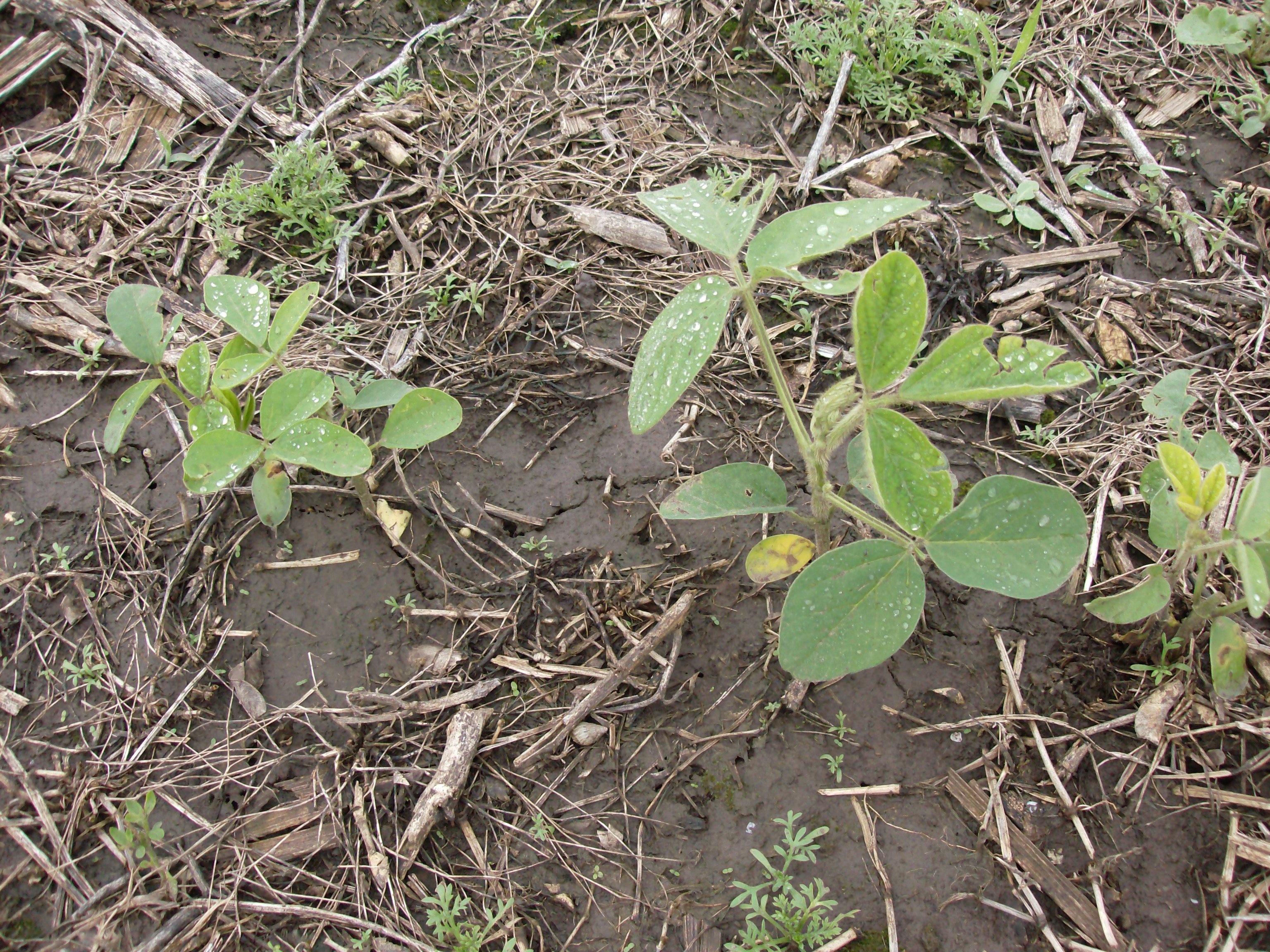
Biosynthesized selenium nanoparticles increase soybean resistance t...
Soybeans in your local fields and in virtually every processed food you eat are under growing thr...

Improving Peach Fruit Yield and Quality Using Foliar Application of...
Peaches at your farmers market could be sweeter, firmer, and less likely to bruise or rot before ...

Nano-sized nutrient sprays help wheat grow bigger and stronger
If you grow anything from a windowsill herb to a backyard vegetable patch, this points toward a f...