microbial-inoculants
Microbial inoculants are preparations of beneficial microorganisms introduced to soil or plant tissues to enhance plant health and growth. These microbes improve nutrient availability through nitrogen fixation and phosphorus solubilization, while also strengthening plant disease resistance and stress tolerance. By leveraging natural microbial-plant interactions, inoculants offer sustainable alternatives to synthetic inputs in agriculture and represent a key approach in managing plant productivity and resilience.

Synergistic rhizobacteria enhance physio-biochemical resilience and...
A tablespoon of the right microbial mix stirred into your tomato transplant hole could be the dif...
Construction of Multifunctional Microbial Inoculants for Lignocellu...
Composting that pile of straw or spent garden stalks just got a scientific blueprint: a targeted ...

The antibacterial activity and plant growth-promoting potential of ...
Soil bacteria like this one could be the living amendment that finally lets vegetable gardeners b...
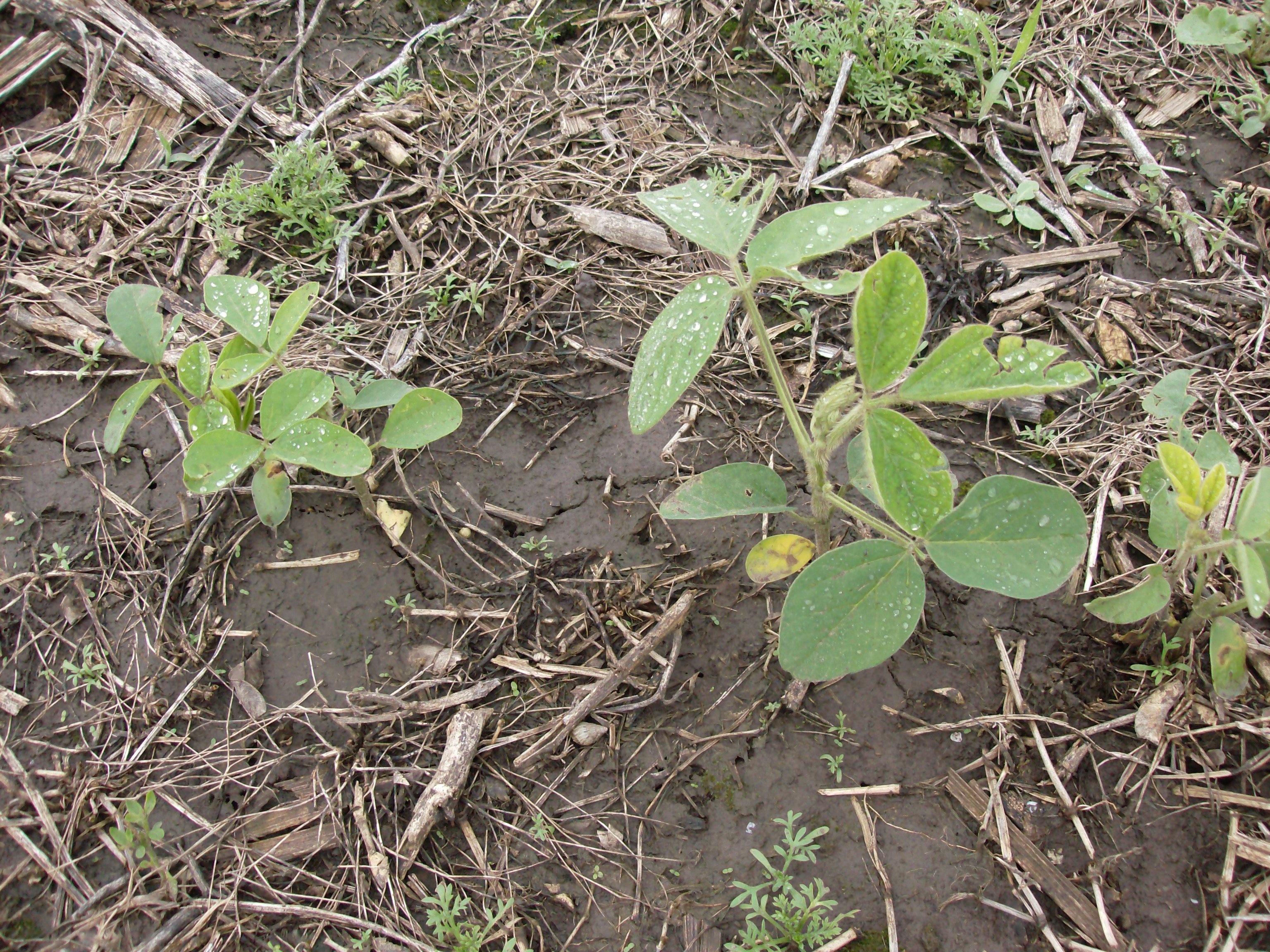
A synthetic microbial community for soybean biofertilization design...
Soybeans grown with smarter microbial helpers could mean less synthetic fertilizer runoff reachin...

Synergistic Consortia with Bacillus megaterium A14 Enhance Cadmium ...
Peanuts grown in cadmium-contaminated soil quietly accumulate that metal into the nuts you eat, a...

Stage-dependent roles of Trichoderma longibrachiatum and manganese ...
Backyard composters losing that sharp ammonia smell from their chicken-manure pile are watching n...

Synergistic mitigation of lead [Pb(II)] stress in Triticum aestivum...
Wheat grown in soil near old industrial sites or heavily fertilized farmland can absorb lead into...

Arbuscular mycorrhizal fungi and phosphate-solubilizing bacteria sy...
Cadmium from industrial runoff silently accumulates in farmland soil and enters rice, vegetables,...

Custom bacteria teams boost strawberries and fight fruit rot
If you grow strawberries in a raised bed or container, the microbes already living around the roo...
Microbial co-inoculation and extracellular vesicles: new frontiers ...
The same nitrogen-fixing bacteria that make soybean fields self-fertilizing can be harnessed in h...
Why helpful soil bacteria often fail to reach plant roots
The compost tea or bacterial inoculant you add to your garden soil may be doing nothing at all if...

Bacteria-coated charcoal traps toxic chromium before lettuce can absorb it
If you grow vegetables in soil near old industrial sites or roadways, this points to a low-tech w...

Bigger bacteria dose helps plants clean up worse toxic soil
If you've ever wondered whether plants can actually fix contaminated ground near old industrial s...