marker-assisted-selection
Marker-assisted selection (MAS) is a breeding technique that uses genetic markers linked to desirable traits to indirectly select for those traits, rather than waiting to observe the trait directly in the plant. This approach accelerates crop improvement by allowing breeders to identify promising plants at the seedling stage, long before traits like disease resistance or yield potential become visible. MAS has transformed modern plant breeding by increasing precision and efficiency, enabling the development of improved varieties in fewer generations.
open_in_new Wikipedia
Genetic dissection and validation of major and stable QTLs for the ...
Bigger flag leaves on wheat plants mean more photosynthesis and heavier grain yields, so this dis...
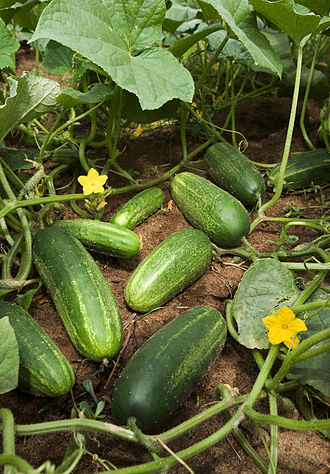
Scientists map cucumber genes for disease resistance, stress tolera...
Cucumbers you grow this summer struggle in heat waves and damp spells partly because breeders hav...