land-restoration
Land restoration is the process of returning degraded or damaged ecosystems to a functional state, encompassing approaches such as rewilding, renaturalization, and remediation of polluted soils. For plant science, it is a critical field because plants are both the primary drivers and indicators of ecosystem recovery, with vegetation re-establishment determining the trajectory of soil health, biodiversity, and ecological stability. Research in this area informs which species, planting strategies, and interventions most effectively rebuild plant communities and the broader ecosystems they support.
open_in_new Wikipedia
Composting rocky eroded soil with farm waste makes it farmable again
Slopes stripped bare by erosion can be coaxed back to life with the same organic waste your local...
Stem thin disc (STD) based somatic embryogenesis and genetic homoge...
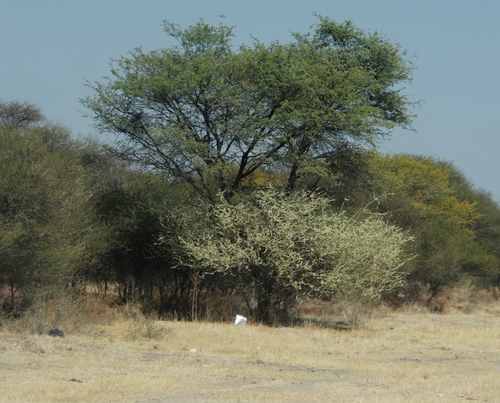
Camelthorn is a tough desert plant that stabilizes eroding soils and cleans up heavy metal pollut...
Exclosure Enhances Crop Yields and Rural Livelihood Resilience in N...
It shows that giving exhausted, overgrazed land a chance to recover can directly improve the food...

A longitudinal roadside study of the New Hampshire alder root nodul...
Alders are one of the few trees that can colonize a gravel pit or eroded streambank and actually ...
Thin scraping, thick spreading: the topsoil trick for regrowing forests
If you've ever moved topsoil to start a new garden bed, this shows that how thin you scrape it up...
Synergistic backfilling and revegetation approaches for ecological ...
Stripped quarry land can be coaxed back to life using the same principles behind successful nativ...