heat-tolerance
Heat-tolerance in plants refers to the ability of plant species to maintain normal physiological and developmental processes under elevated temperature conditions. As global temperatures rise, heat stress has become a critical factor limiting crop productivity and quality worldwide, making the study and breeding of heat-tolerant varieties essential for food security. Understanding the genetic and molecular mechanisms underlying heat tolerance enables researchers and breeders to develop cultivars better adapted to increasingly challenging climate conditions.
open_in_new Wikipedia
Allelic variation in UVR8 modulates thermotolerance-yield tradeoffs...
Rice paddies that feed half the world are quietly losing their battle with climbing temperatures ...
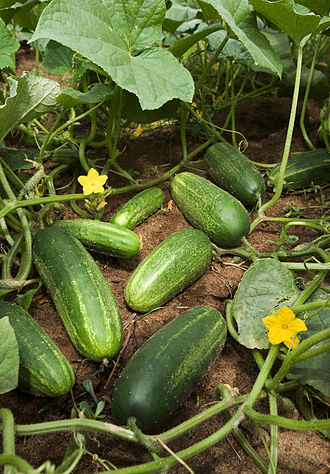
Physiological and Agronomic Responses of Cucurbit Crops to Drought ...
If you're growing cucumbers, melons, or squash through a brutal summer dry spell, specific variet...
Do climate-driven maternal effects of drought and heat stress alter...
The herbs in your kitchen spice rack and the seed oils in your pantry could become harder to grow...

Associations of meteorological variability with sesame yield in sem...
If you grow sesame in your garden or edible landscape, knowing that this drought-tolerant crop th...


