food-science
Food science is the study of food's chemical, physical, and biological properties, encompassing food safety, processing, and technology development. For plant science, it provides critical frameworks for understanding how plant-derived ingredients behave during processing, how cultivation and genetics influence nutritional composition, and how crop improvements can be translated into tangible benefits for human health and food systems.
open_in_new Wikipedia
Scientists breed wheat with far less gluten in one generation
If this wheat reaches fields and mills, the bread, pasta, and pastries on your table could someda...
Sustainable production of natural sweeteners through synthetic biology.
The stevia plant in your herb garden takes years to grow and only thrives in certain climates — e...

Blending rice and macadamia proteins creates a smoother, more funct...
Rice and macadamia, two crops grown across tropical and subtropical regions, turn out to be nutri...
Calcium-mediated modulation of ultra-low-ester pectin-gluten intera...
The bread you bake or buy could soon be higher in beneficial plant fiber without sacrificing that...

Tissue-resolved proteomic characterization of oat grains guided by ...
Oats growing in your garden or a nearby field pack their nutrition into precise grain compartment...

Gene-edited potatoes could mean healthier, safer french fries
The next bag of fries or chips you buy could come from a potato engineered to resist the cold-sto...
Tough plant proteins feed gut bacteria in surprisingly healthy ways
The beans, greens, and whole grains you grow or buy contain proteins your own gut enzymes can't b...

Lentil starch structure decides which gut bacteria get fed
The lentils in your soup pot carry hidden starch structures that act like different keys for diff...

Plant protein powder didn't build muscle in older men
The pea and soy protein powders lining health-food store shelves as "muscle-friendly" plant alter...
AI reveals hidden fiber-digesting machines in gut bacteria
The fiber in your garden greens, whole grains, and that resistant starch in cooled potatoes only ...
Soy protein powder keeps green plant pigments potent after digestion
The deep green color and nutritional punch of leafy greens and herbs you juice or dry at home cou...

Why beet-red plant pigments fade, and how to stop it
The deep magenta color in your beet harvest or prickly pear fruit comes from the same pigment fam...

Mixing elephant garlic with regular garlic changes flavor and nutrition
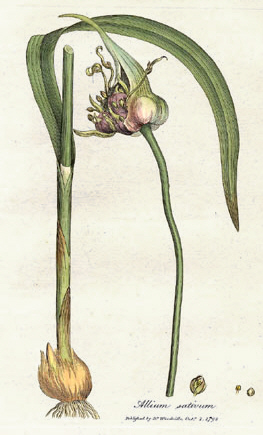
If you grow both elephant garlic and regular garlic in your kitchen bed, this shows the ratio you...

How you extract apple pectin changes its health benefits
The apple peels and cores you toss in the compost bin contain a fiber whose molecular structure, ...
Common fermentation bacterium is surprisingly hard to predict
The bacteria fermenting your homemade sauerkraut or kimchi are the same ones scientists are strug...

Mung bean starch makes the sturdiest Red Bull jelly candy
The starch in your kitchen pantry, whether scraped from a potato or milled from corn or mung bean...
Microbe-made curdlan fiber helps plant-based meat feel juicier and ...
The plant-based burger or sausage you cook on the grill gets its juicy bite and fat-like texture ...