fire-ecology
Fire ecology is the scientific study of how fire shapes and interacts with natural ecosystems, examining its role as both a disturbance and a renewal force. Many plant species have evolved specific adaptations to fire—such as serotinous cones, fire-stimulated germination, and resprouting from underground structures—making fire a critical driver of plant community composition and reproduction. Understanding these dynamics is essential for conservation, as wildfire suppression can disrupt the ecological processes that fire-adapted plant communities depend on to persist and regenerate.
open_in_new WikipediaImpact of Fire and Heat Stress on Soil Microorganisms: A Review of ...
Invisible world of soil microbes is what keeps your garden fertile — understanding how fire disru...
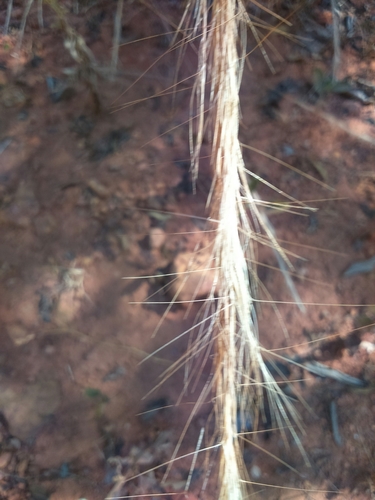
How early do Cerrado grasses become fire-resilient? Insights from a...
If you're seeding native grasses into a restoration patch or fire-adapted meadow, waiting at leas...

Old Lineage, New Insights: Phenology, pollination and reproductive ...
If you've watched hummingbirds work a garden and wondered which wild plants depend on them most d...