ecological-restoration
Ecological restoration is the practice of actively repairing degraded, damaged, or destroyed ecosystems to recover their structure, function, and biodiversity. For plant scientists, it is a critical applied field that draws on knowledge of native plant communities, seed ecology, and plant-soil interactions to reestablish vegetation that underpins broader ecosystem recovery. Understanding how plants colonize, compete, and facilitate succession in restored habitats informs both conservation strategies and our fundamental understanding of plant community dynamics.
open_in_new WikipediaLegumes rebuild soil's living nitrogen engine, not just its nitrogen supply
Planting legumes in a bare or depleted patch of ground doesn't just add nitrogen the way a fertil...
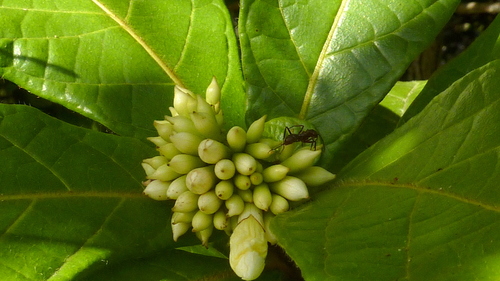
Clay coating helps native tree seedlings survive harsh sun during r...
If you've ever tried to establish a native tree seedling in a bare, sunny patch of yard only to w...
Beyond Metal(loid) Immobilization: Redox-Stratified Biocrusts Shiel...
It means the humble living crust forming on old mine dumps near your community is actively protec...

Beach seagrass and fish waste become restoration-ready compost with...
The dried seagrass wrack you step over on a Mediterranean beach can be turned into compost, and a...

Restoration of alkaline spoil deposits at a highway construction si...
Roadsides and construction scars near your neighborhood could become functioning green corridors ...
Effects of sheep-manure- and humic-acid-based amendments on alpine ...
Restoring a stripped hillside or compacted garden bed works on the same principle: organic matter...

Early physiological response of Pinus yunnanensis Franch. seedlings...
Rocky hillsides being reforested after overgrazing or erosion have a tipping point where soil deg...
Island restorers battle red tape more than weeds, survey finds
Native plantings in your yard or local nature reserve depend on the same routine of pulling invas...


