disease-suppression
Disease suppression in plant science refers to the ability of certain soils and their resident microbial communities to inhibit the establishment and spread of plant pathogens in the rhizosphere. Beneficial bacteria known as plant growth-promoting rhizobacteria (PGPR) colonize root zones and outcompete harmful pathogens through direct antagonism and indirect mechanisms such as triggering plant immune responses. Understanding and harnessing these suppressive dynamics is a key area of research for developing sustainable, low-input strategies to protect crops from soil-borne diseases.
open_in_new Wikipedia
Phenolic acid biosynthesis is associated with deleterious microbiom...
If you grow broccoli, cabbage, kale, or bok choy, clubroot disease can silently devastate your cr...
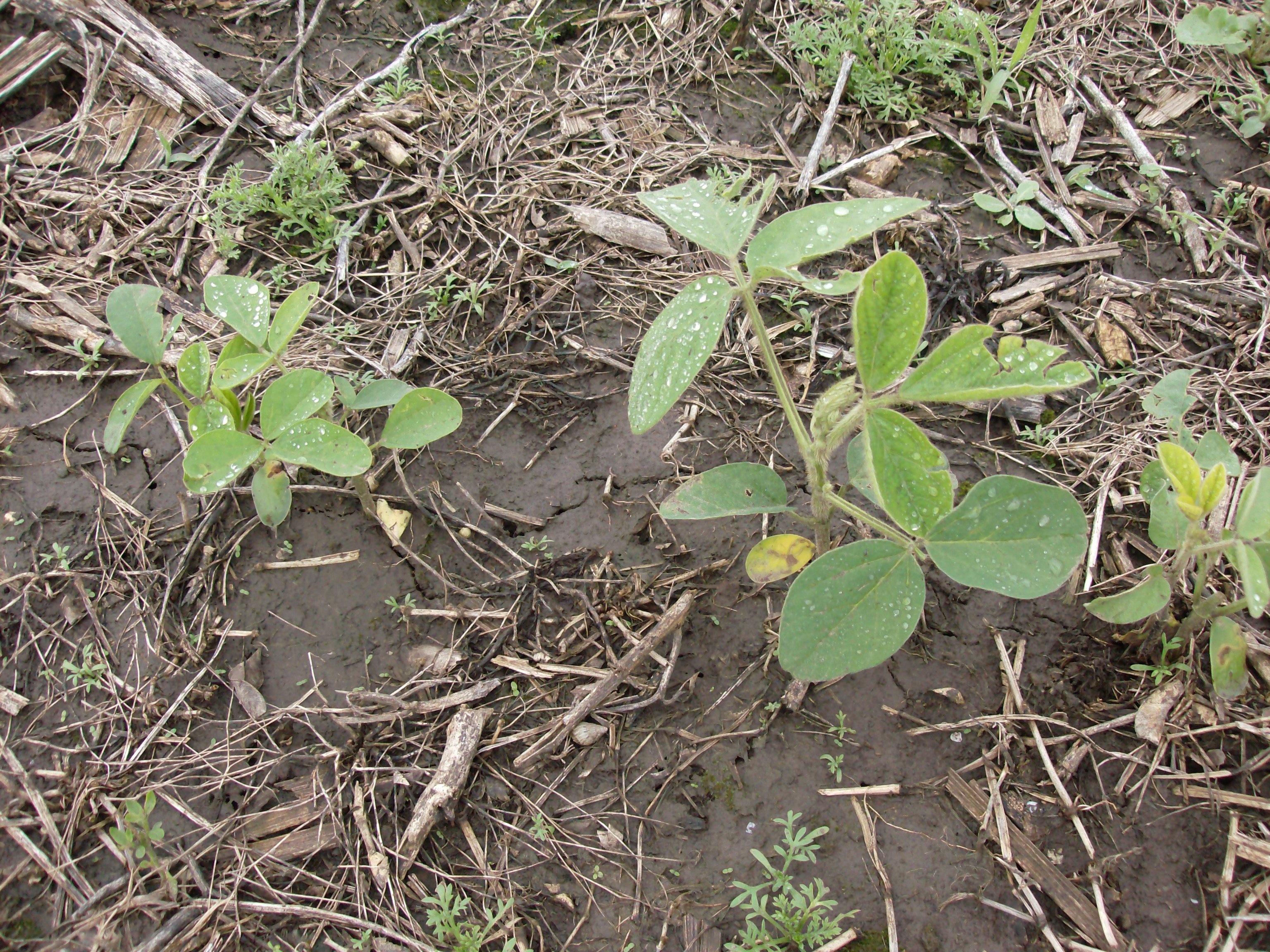
Legacy effects of cover cropping and crop phase on soybean health a...
The soybeans, corn, and edamame at your grocery store are increasingly threatened by soil pathoge...
Soil as a Battlefield and a Reservoir: Linking Soil Components to t...
The compost you work into your garden beds isn't just feeding your tomatoes — it's recruiting an ...

Biochar as an integrated management tool against Phytophthora cinna...
Cork oak forests covering Portugal's rolling hillsides — the source of every natural wine cork — ...

Host-guided microbiome-metabolite interactions enable cross-kingdom...
Banana plantations across the tropics are being wiped out by a soil fungus that chemicals can't r...


