conservation
Conservation in plant science focuses on protecting plant species, their habitats, and the ecological interactions that support them from extinction and degradation. This work is essential for maintaining the genetic and species diversity that underpins global food systems, medicines, and ecosystem services. As plants form the foundation of terrestrial ecosystems and face accelerating threats from habitat loss and climate change, conservation research provides critical strategies for preserving biodiversity and ecosystem resilience.
open_in_new WikipediaAnthropogenic stressors drive microbiome assembly: A global meta-an...
Every strawberry, tomato, and squash in your garden depends on bumble bees that may be quietly lo...
Pressed museum plants reveal how flowering seasons have shifted ove...
The lilac blooming two weeks earlier than your grandparents noted, the autumn leaves holding on l...
The rarest invaders: systematic global evidence for the conservatio...
A plant you might find listed as endangered in a botanical garden catalog could be the same speci...
Trait Dataset for 3,000 European Wild Bee and Hoverfly Species.
Every flower in your garden that sets fruit or seed depends on pollinators whose populations are ...
Farms and diets worldwide are narrowing to fewer crops, and local v...
The heirloom bean or regional squash you save seed from in your own garden is part of a living li...
Anthropogenic Pressures, Rather Than Plant Vigour, Promote Insect H...
Every time a wild medicinal herb is overharvested near a village or trail, the stressed, exposed ...

Rare Canary Islands shrub proves fragile against drought and frost
Endemic plants clinging to a single mountainside are the canaries in the coal mine for climate ti...

Climate change will push bluebeard shrubs northeast but fragment th...
Bluebeard shrubs, beloved in late-summer gardens for their blue flower spikes and drought toleran...

Ethiopian herders have used 27 wild plants to treat livestock for g...
Pastoralists in one of Africa's harshest environments have kept their animals healthy for generat...
Differences in characteristics between naturalized threatened plant...
A tree you might plant for shade or timber could simultaneously be vanishing from its homeland — ...
Inter situ collections as a strategy to conserve an exceptional pla...
Rare tropical plants that can't be frozen or seed-banked — the ones quietly holding rainforest ec...
Seed banks and botanic gardens team up to save food plants
The unusual heirloom vegetables and wild fruit relatives growing in your local botanic garden cou...
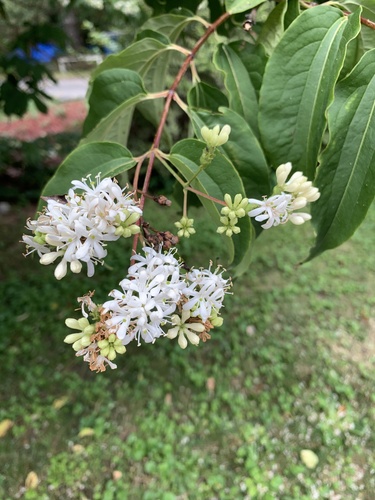
Rare seven-son flower shrub depends on root fungi that fragmented h...
If you grow or want to restore rare native shrubs, the fungal partners in the soil around their r...
Traditional skincare plants in South Africa are running out
The bark, roots, and leaves behind generations of handmade skincare come from slow-growing wild p...
Ethanol soak detects pesticides in bees without dissecting them
The bees working your garden flowers could be carrying pesticide residues you'd never see, and th...
Plants get less research attention than animals, and conservation n...
The overlooked native wildflowers and shrubs in your yard or local park are exactly the kind of s...
Microbial Contamination, Degradation Characteristics of Dominant Ba...
The same wood-eating bacteria threatening a 800-year-old shipwreck hull are active in waterlogged...

