biofertilizer
Biofertilizers are preparations containing living microorganisms that, when applied to seeds, plant surfaces, or soil, colonize the rhizosphere or plant interior to enhance nutrient supply and availability to the host. By harnessing beneficial bacteria, fungi, and other microbes, biofertilizers improve nitrogen fixation, phosphorus solubilization, and overall soil health in ways that support sustainable plant growth. Research into biofertilizers is advancing our understanding of plant-microbe interactions and offering eco-friendly alternatives to synthetic fertilizers in agricultural systems.
open_in_new Wikipedia
Strain-specific effects of soil cyanobacteria Nodosilinea sp. and M...
The strain of beneficial bacteria you add to your vegetable bed this season quietly decides which...

Bioprospecting Cycas revoluta-associated bacterial endophytes for t...
If you've ever tried growing tomatoes in coastal, drought-affected, or heavily irrigated soil tha...
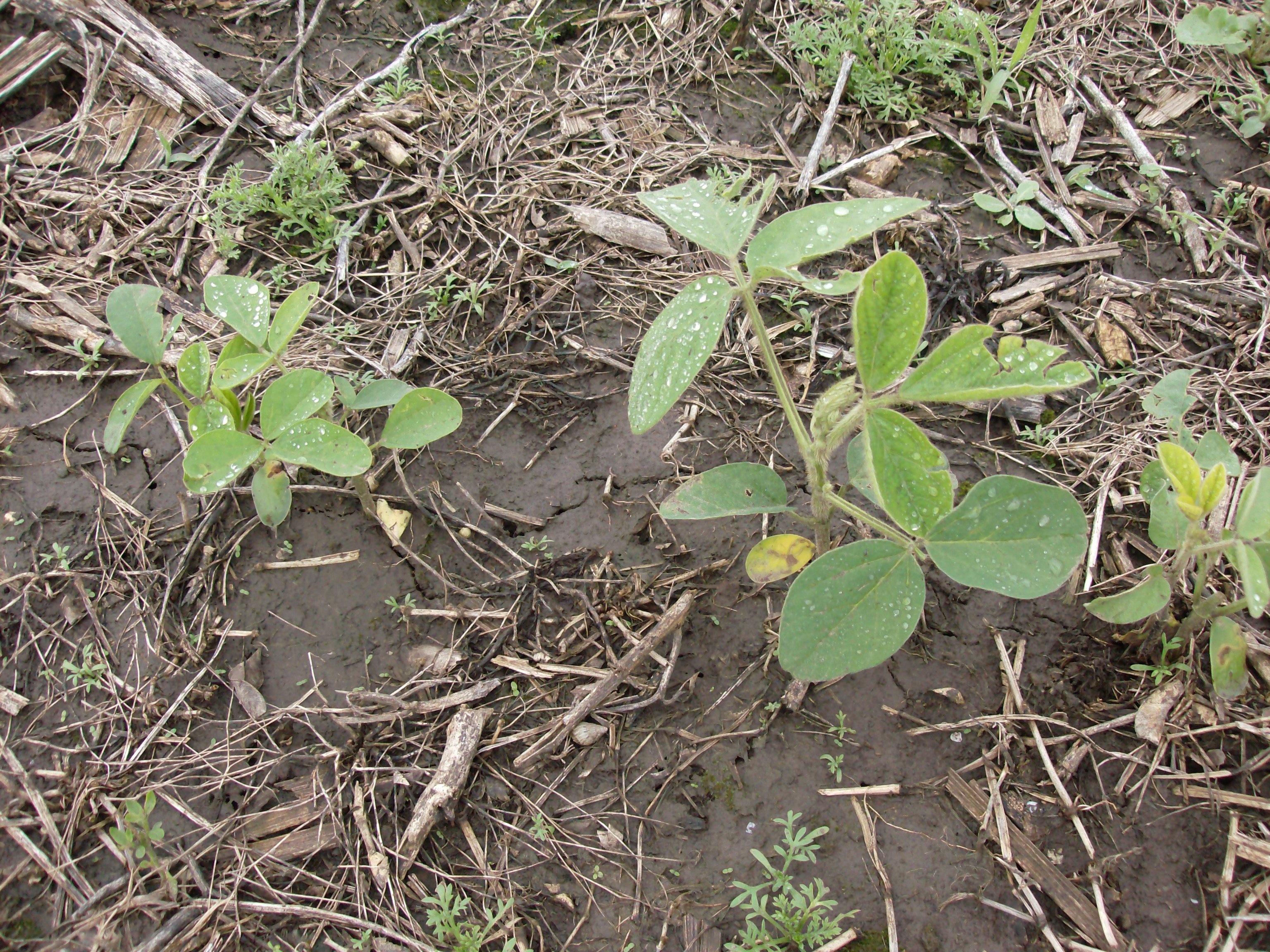
A synthetic microbial community for soybean biofertilization design...
Soybeans grown with smarter microbial helpers could mean less synthetic fertilizer runoff reachin...

A novel bioencapsulation strategy for delivering plant growth promo...
Coating seeds with helpful bacteria instead of synthetic fertilizers is a practical path toward f...

Bacteria transform bean crop waste into long-lasting, low-runoff fertilizer
If you compost at home, this research points toward a future where specific bacterial inoculants ...

Complete Genome of an Alkali-Resistant Rhizobium anhuiense Symbiont...
Growing peas in your garden could one day mean skipping the fertilizer bag entirely — bacteria li...

Endophytic Bacillus subtilis ED24 from Ziziphus lotus (L.) Desf. ro...
The scraggly desert shrubs that outlast everything else in arid landscapes aren't just surviving ...

Soil bacteria broadcast growth-boosting chemical signals through th...
Bacteria already living around your garden's roots signal your plants through the air to ramp up ...
Indigenous actinomycetes of the Himalaya: current knowledge and a b...
Mountain farmers growing crops at extreme elevations — where most commercial fertilizers simply s...

